Indoor Air Quality Improvement in Fort Lauderdale: Step-by-Step Process Explained
Indoor air quality is an important part of maintaining a comfortable and healthy home in Fort Lauderdale. High humidity, frequent storms, and year-round air-conditioning use can cause moisture, dust, and airborne particles to accumulate inside homes. Over time, these conditions may lead to musty odors, reduced airflow, and mold growth if they are not addressed. Improving indoor air quality involves identifying the causes of poor air conditions and following a structured process to restore clean, balanced air.
Why Indoor Air Quality Problems Are Common in Fort Lauderdale
Homes in Fort Lauderdale are exposed to environmental factors that make indoor air quality more challenging to maintain:
- High humidity levels throughout most of the year
- Frequent rain and seasonal storms
- Continuous air-conditioning operation
- Moisture buildup in attics, ducts, and closets
- Limited ventilation in enclosed areas
Because humidity slows drying, damp materials can affect indoor air for extended periods.
Signs That Indoor Air Quality May Need Improvement
Indoor air quality issues often develop gradually. Homeowners may notice:
- Musty or stale odors
- Increased indoor humidity
- Dust building up quickly on surfaces
- Uneven airflow in certain rooms
- A damp feeling in closets or storage spaces
These signs often indicate moisture or ventilation problems that should be inspected.
Common Causes of Poor Indoor Air Quality
Several conditions can affect indoor air in Fort Lauderdale homes:
- Moisture or condensation in HVAC systems
- Dust and debris inside ductwork
- Damp attic insulation
- Hidden plumbing leaks
- Dirty air filters restricting airflow
Identifying the cause is the first step in improving air quality.
Step-by-Step Indoor Air Quality Improvement Process
Improving indoor air quality usually follows a structured process to ensure thorough results.
Step 1: Initial Inspection
Technicians perform a visual inspection of the home to identify areas where moisture, dust, or poor ventilation may be affecting air quality.
Step 2: Humidity and Moisture Measurements
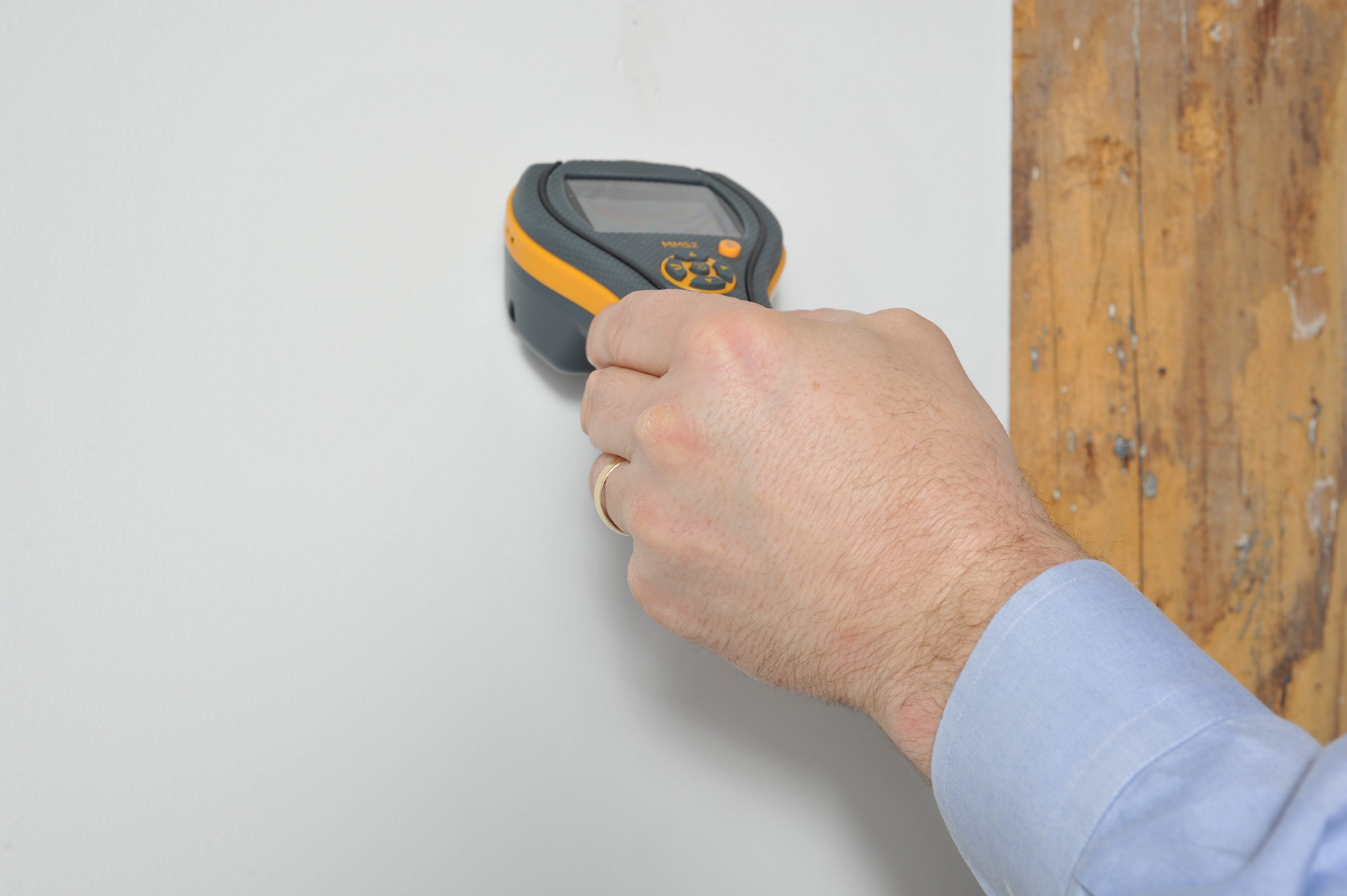
Specialized tools are used to measure humidity levels and detect moisture in walls, ceilings, flooring, and duct systems.
Step 3: HVAC System and Duct Inspection
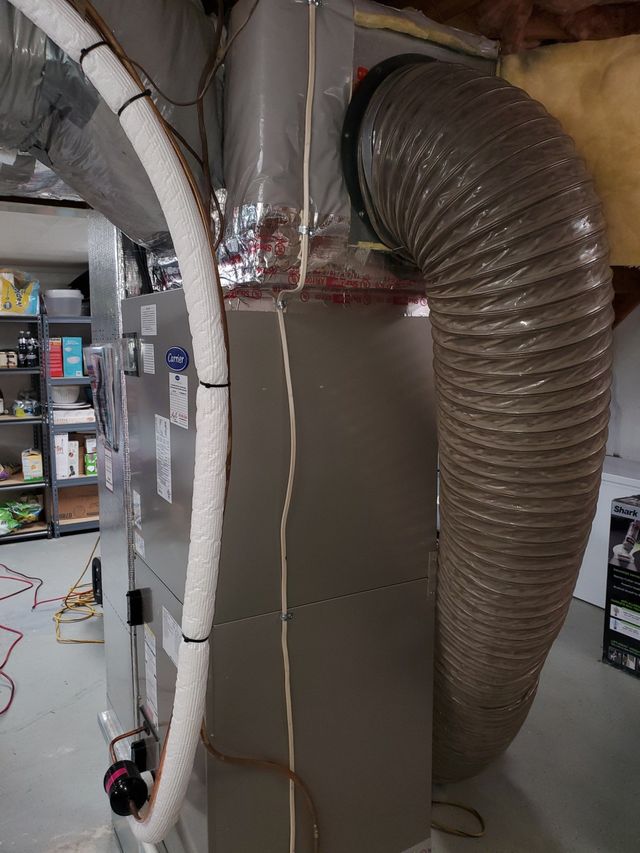
Air handlers, ductwork, and condensate lines are checked for dust buildup, moisture, or airflow problems.
Step 4: Identification of Moisture Sources
Roof leaks, plumbing leaks, or condensation issues are identified and corrected to prevent ongoing air quality problems.
Step 5: Cleaning and Airflow Improvements
Duct cleaning, filter replacement, and ventilation improvements may be recommended to improve airflow and reduce airborne particles.
Step 6: Drying and Dehumidification
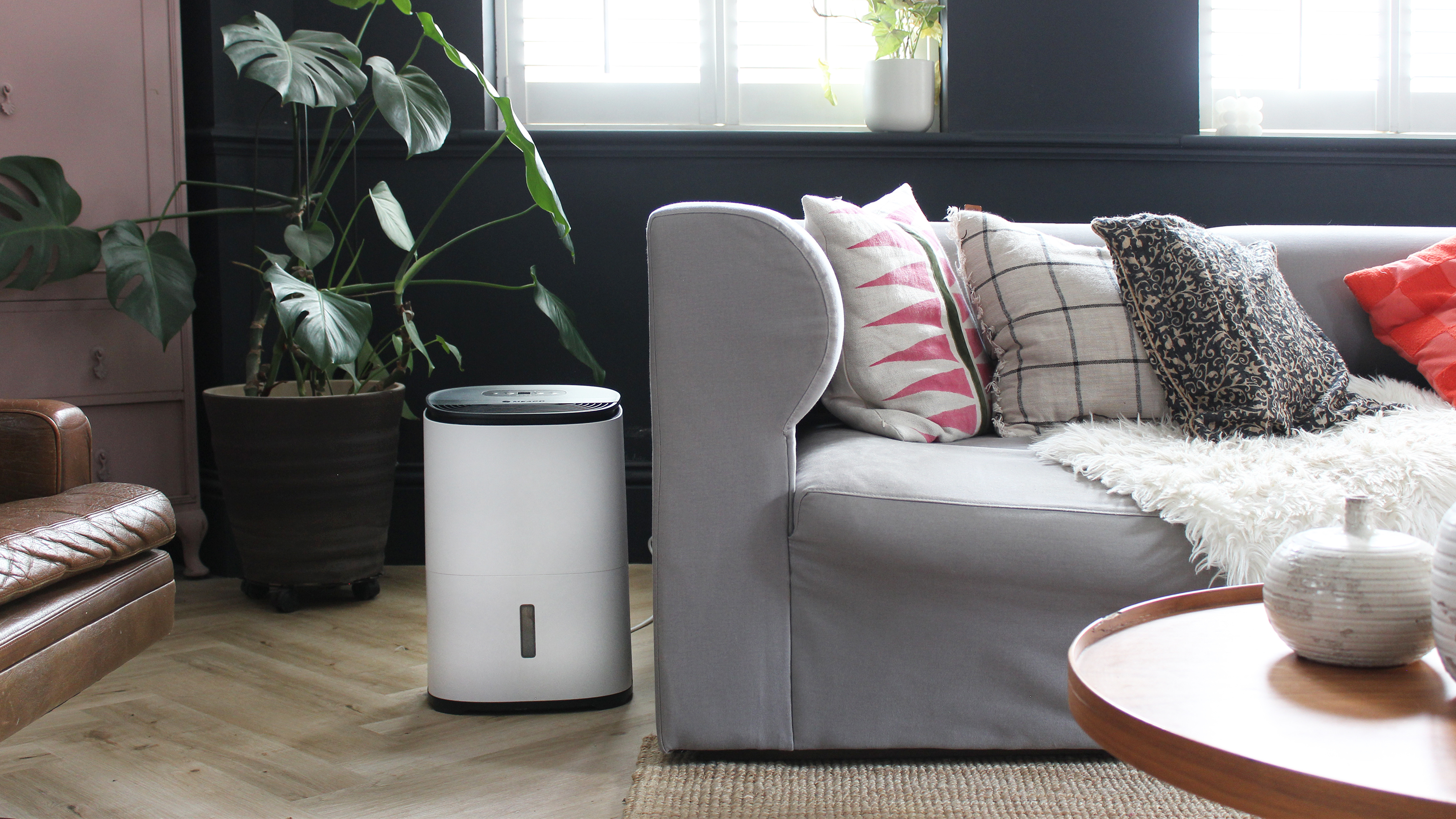
If excess humidity is present, dehumidifiers and airflow equipment may be used to stabilize indoor conditions.
Step 7: Final Evaluation and Monitoring
After improvements are made, humidity levels and airflow are rechecked to ensure indoor air quality has improved.
Pompano Mold Inspection and Testing often evaluates indoor air quality and moisture conditions in Fort Lauderdale and surrounding Broward County communities, helping homeowners understand what steps are needed to improve indoor environments.
Mold Removal and Moisture Control
Poor indoor air quality is often linked to mold growth. Mold can release particles into the air that contribute to odors and poor air circulation.
When mold is discovered, remediation may include:
- Removing contaminated materials
- Cleaning structural surfaces
- Drying damp areas thoroughly
- Stabilizing indoor humidity levels
Correcting moisture sources is essential to prevent mold from returning.
Water Damage and Air Quality
Water damage from leaks or storms often affects indoor air conditions. Restoration may involve:
- Water extraction
- Structural drying
- Dehumidification
- Repairing damaged materials
These steps help restore normal humidity levels and improve air quality.
HVAC Systems and Indoor Air Quality
HVAC systems play a central role in maintaining indoor air quality in Fort Lauderdale homes. Problems that affect airflow or humidity can reduce air quality, including:
- Dirty air filters
- Moisture in duct insulation
- Clogged condensate drain lines
- Poor airflow due to blocked vents
Routine maintenance helps keep systems operating efficiently.
Practical Tips for Maintaining Good Indoor Air Quality
Homeowners in Fort Lauderdale can maintain good indoor air quality by following a few simple steps:
- Replace HVAC filters regularly
- Maintain air-conditioning systems
- Use dehumidifiers when humidity rises
- Improve ventilation in enclosed spaces
- Repair leaks promptly
Regular maintenance often prevents air quality problems from developing.
Why Local Experience Matters
Indoor air quality challenges in South Florida differ from those in other regions. Professionals familiar with Fort Lauderdale understand:
- How coastal humidity affects indoor environments
- Typical HVAC and duct layouts in Broward County homes
- Common moisture patterns after storms
This local knowledge helps inspections and improvements be more effective.
A Practical Next Step for Homeowners
Indoor air quality improvement is an important part of maintaining comfort and protecting a home from moisture-related problems. Following a step-by-step process to identify humidity issues, clean duct systems, and correct moisture sources helps restore clean, balanced air.
With proper inspection, maintenance, and humidity control, homeowners in Fort Lauderdale can keep their indoor air comfortable and healthy throughout the year.