Indoor Air Quality Improvement in Margate: Common Causes and Solutions
Indoor air quality plays a major role in the comfort and condition of homes in Margate. Because homes in South Florida remain closed for long periods while air conditioning systems run, air circulation and humidity control become especially important. When moisture, dust, or contaminants build up indoors, air quality can decline gradually, often without obvious warning signs at first. Understanding the common causes of poor indoor air quality and how to improve it helps homeowners maintain a healthier and more comfortable living environment.
What Indoor Air Quality Means
Indoor air quality refers to the condition of the air inside a home, including humidity levels, airborne particles, and ventilation. Poor air quality may result from moisture buildup, mold growth, dust accumulation, or inadequate airflow.
Factors that commonly affect indoor air quality include:
- High humidity
- Mold or mildew growth
- Dust and debris in duct systems
- Poor ventilation
- Water damage or leaks
Maintaining balanced humidity and proper airflow is essential for preventing many of these issues.
Why Indoor Air Quality Issues Are Common in Margate
Homes in Margate face environmental conditions that naturally contribute to indoor air quality challenges:
- High humidity throughout most of the year
- Frequent rain and storms
- Continuous use of air conditioning systems
- Moisture from plumbing or roof leaks
- Warm temperatures that encourage mold growth
Because humidity slows drying, moisture can remain trapped inside materials and ventilation systems longer than expected.
Common Signs of Poor Indoor Air Quality
Indoor air quality problems often begin with subtle warning signs. Homeowners may notice:
- Musty or stale odors
- Increased dust buildup
- Condensation on windows or vents
- Persistent humidity indoors
- Irritation or discomfort in poorly ventilated rooms
These signs often indicate excess moisture or ventilation issues that should be addressed.
Hidden or Overlooked Causes of Poor Air Quality
Many indoor air quality problems originate in areas that are not visible during everyday use. Inspectors in Margate frequently identify hidden causes such as:
- Moisture inside air ducts
- Damp insulation in attics
- Mold growth behind drywall
- AC drain line issues
- Poor airflow in crawl spaces or closets
Because these conditions develop gradually, they often go unnoticed until odors or humidity levels increase.
Why DIY Solutions Often Provide Only Temporary Relief
Homeowners sometimes attempt to improve air quality by using air fresheners or portable filters. While these may help temporarily, they do not address underlying moisture or ventilation problems.
DIY solutions often fall short because:
- Humidity levels remain high
- Moisture sources are not identified
- Hidden mold may still be present
- Ventilation issues are not corrected
Improving indoor air quality usually requires identifying and correcting the source of the problem.
Professional Inspection and Indoor Air Quality Assessment
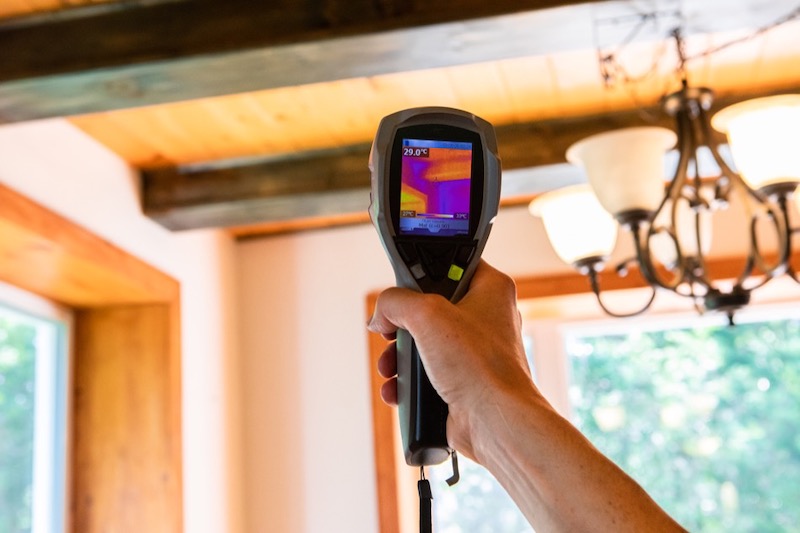
A professional indoor air quality evaluation provides a clearer understanding of conditions inside the home. In Margate properties, inspectors typically:
- Measure humidity levels in different rooms
- Inspect HVAC systems and ductwork
- Check for moisture in walls and ceilings
- Evaluate ventilation and airflow
- Identify potential mold or contamination sources
Pompano Mold Inspection and Testing often performs indoor air quality assessments in Margate and surrounding Broward County communities, helping homeowners understand the factors affecting their indoor environment.
Mold Removal and Remediation When Necessary
If poor indoor air quality is linked to mold growth, remediation may be recommended. Proper remediation focuses on both removing contamination and correcting moisture problems.
Typical steps include:
- Identifying and repairing moisture sources
- Containing affected areas
- Cleaning and sanitizing surfaces
- Drying materials thoroughly
- Stabilizing indoor humidity
Addressing moisture is essential to prevent mold from returning.
Water Damage and Moisture Control
Water damage is one of the most common contributors to poor indoor air quality. Leaks from roofs, plumbing, or appliances can introduce moisture that affects walls, flooring, and insulation.
Restoration and drying may involve:
- Water extraction
- Structural drying
- Dehumidification
- Repairing damaged materials
These steps help restore normal humidity levels and improve indoor air conditions.
Air Ducts, AC Systems, and Indoor Air Quality
HVAC systems play a major role in indoor air quality in Margate homes. When ducts or air handlers accumulate moisture or debris, air quality may decline.
Common HVAC-related causes include:
- Dirty or clogged air filters
- Moisture in duct insulation
- Blocked or slow AC drain lines
- Poor airflow
Regular maintenance and periodic duct cleaning help keep air systems functioning efficiently.
Practical Solutions for Improving Indoor Air Quality
Homeowners can take several effective steps to improve indoor air quality:
- Replace HVAC filters regularly
- Schedule AC maintenance
- Use dehumidifiers during humid periods
- Inspect for plumbing or roof leaks
- Improve ventilation in attics and storage areas
- Keep ducts clean and dry
These practical steps help reduce humidity and airborne particles.
Why Local Experience Matters
Indoor air quality challenges in Margate are closely tied to climate and construction styles. Professionals familiar with Broward County understand:
- How coastal humidity affects indoor environments
- Typical HVAC and duct layouts in local homes
- Common moisture patterns after storms
This local knowledge helps inspections be more accurate and solutions more effective.
A Practical Next Step for Homeowners
Improving indoor air quality is often a gradual process that begins with identifying moisture and ventilation issues. With proper inspection, maintenance, and humidity control, homeowners in Margate can create a more comfortable indoor environment and prevent long-term problems related to moisture and mold.