
Indoor Air Quality Improvement Services in Lauderdale-by-the-Sea After Plumbing Leaks: Warning Signs and Prevention Tips
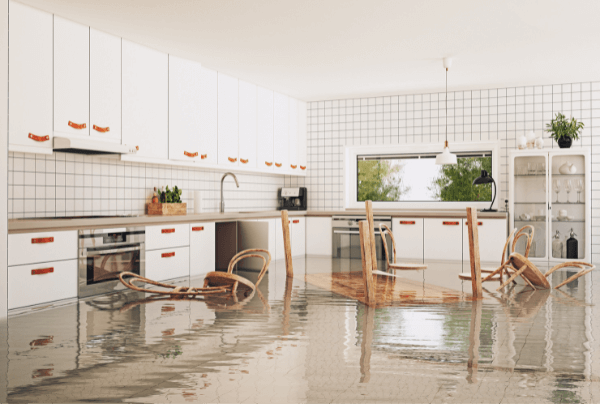
Plumbing leaks don’t just damage cabinets, walls, or floors—they quietly degrade the air you breathe. In Lauderdale-by-the-Sea, coastal humidity slows drying and amplifies the impact of even small leaks. The result is often stale air, lingering odors, and elevated contaminants long after the pipe is fixed.
This guide explains how plumbing leaks affect indoor air quality (IAQ), the warning signs homeowners shouldn’t ignore, and practical prevention tips that actually work in a coastal environment.
Why Plumbing Leaks Wreck Indoor Air Quality
When water escapes a pipe, it rarely stays visible. It wicks into drywall, insulation, cabinets, and subfloors—materials that trap moisture and release it slowly back into the air. In a humid seaside climate, that moisture hangs around, feeding biological growth and spreading odors through the home.
After a leak, IAQ suffers because:
- Damp materials off-gas musty odors
- Mold and bacteria can grow on wet organic surfaces
- Humidity spikes make contaminants linger
- HVAC systems can circulate pollutants from wet areas
Fixing the pipe stops new water, but it does nothing for what’s already soaked in.
Warning Signs Your Air Quality Took a Hit
Plumbing leaks don’t always announce themselves with visible damage. Watch for these IAQ red flags after any leak—big or small.
Persistent Musty or “Earthy” Odors
If a damp smell sticks around days after repairs, moisture is likely still present somewhere. Odors often originate from wall cavities, cabinets, or subfloors—not the surface you cleaned.
Air Feels Heavy or Stale
Rooms may feel clammy even with the AC running. That’s a sign of elevated humidity and poor air exchange, common after leaks.
Allergy-Like Symptoms Indoors
Sneezing, throat irritation, headaches, or coughing that improve when you leave the house can indicate airborne irritants tied to moisture.
Odors from Vents When the AC Runs
Wet materials near returns or air handlers can contaminate airflow, spreading smells throughout the home.
Reappearing Stains or Peeling Paint
Cosmetic issues returning after “drying” often mean moisture is still feeding the problem—and the air.
How IAQ Improvement Services Help After Leaks
Indoor air quality services address what cleaning and fans can’t. After plumbing leaks, a proper approach focuses on moisture removal, contaminant reduction, and verification.
Common components include:
- Moisture detection and mapping to find hidden wet areas
- Targeted drying and dehumidification to normalize humidity
- Air scrubbing (HEPA filtration) to reduce airborne particles
- Source control (removing or treating wet materials)
- HVAC checks to prevent cross-contamination
The goal is not just “fresh air,” but air that stays clean once the equipment is removed.
Where Plumbing Leaks Most Often Impact IAQ
Some locations disproportionately affect indoor air quality after leaks:
- Under-sink cabinets (particleboard holds moisture)
- Behind toilets and vanities
- Walls shared with bathrooms or kitchens
- Laundry areas with supply and drain lines
- Subfloors beneath tile or laminate
- Near HVAC returns that pull air across damp zones
These areas deserve priority during inspection and drying.
The Role of Moisture Detection (Why Guessing Fails)
Air quality problems persist when moisture is missed. Professional detection tools—pinless meters, pin meters, and thermal imaging—show where water actually is, not where it looks like it was.
Detection helps teams:
- Define the true footprint of wet materials
- Avoid unnecessary demolition
- Dry only what needs drying (and fully)
- Prevent sealing moisture behind repairs
Without measurements, IAQ fixes are temporary at best.
Mold Risk: When Leaks Linger
Mold doesn’t require flooding—just moisture and time. In coastal homes, risk increases if materials stay damp beyond 24–48 hours.
IAQ services reduce mold risk by:
- Removing moisture quickly and evenly
- Lowering indoor humidity to safe ranges
- Capturing airborne spores during drying
- Recommending targeted remediation when needed
Addressing air quality early often prevents full remediation later.
HVAC and Airflow: The Multiplier Effect
After leaks, HVAC systems can spread problems if wet areas sit near returns or the air handler.
Best practices include:
- Inspecting condensate lines and pans
- Checking for damp insulation near ducts
- Ensuring returns aren’t pulling air from wet cavities
- Using filtration during drying to protect the system
Clean air starts with clean, dry airflow paths.
Prevention Tips That Actually Work
Act Immediately—Even for “Small” Leaks
Drying should begin the same day. The longer moisture sits, the worse IAQ becomes.
Control Humidity Aggressively
Aim to keep indoor humidity around 30–50%. Use dehumidifiers during and after repairs until readings stabilize.
Verify Dryness Before Repairs
Paint and new drywall over damp materials trap moisture and odors. Always confirm normal moisture levels first.
Replace What Can’t Be Dried
Saturated insulation and swollen particleboard rarely recover. Removing them protects both structure and air.
Maintain Plumbing and Appliances
Check supply lines, traps, and valves periodically—especially under sinks and behind appliances.
Keep HVAC Maintained
Clear condensate drains, seal ducts, and change filters more frequently during recovery.
IAQ and Insurance Documentation
Objective data helps. Moisture readings, drying logs, and air filtration records can support claims and clarify scope—reducing disputes and delays.
Common Mistakes to Avoid
- Assuming fresh paint equals clean air
- Running the AC colder instead of dehumidifying
- Skipping detection because “the leak was fixed”
- Ignoring musty smells as normal coastal air
- DIY spot cleaning without addressing hidden moisture
These shortcuts almost always lead to repeat problems.
Final Thoughts
In Lauderdale-by-the-Sea, plumbing leaks and indoor air quality are tightly linked. Fixing the pipe is step one—not the finish line. IAQ improvement services restore breathable air by finding hidden moisture, drying it correctly, and preventing contaminants from circulating through the home.
If your house smells off, feels clammy, or triggers symptoms after a leak, listen to the warning signs. Clean air doesn’t come from masking odors—it comes from eliminating moisture and verifying results.
