


Indoor Air Quality Improvement Services in North Lauderdale in Residential Homes: Inspection and Repair Guide
Homes in North Lauderdale operate under constant environmental pressure. High humidity, frequent rain, long air-conditioning cycles, and limited natural ventilation all affect how indoor air behaves. Even when a home looks clean and dry, indoor air quality can still be compromised by hidden moisture, poor airflow, or HVAC-related issues.
Indoor air quality improvement is not a single fix. It is a step-by-step process that starts with inspection, identifies the real causes, and applies targeted repairs to restore stable, healthy indoor conditions. For North Lauderdale homeowners, understanding this process helps prevent recurring problems and protects the home long-term.
Why Indoor Air Quality Issues Are Common in North Lauderdale Homes
North Lauderdale experiences warm temperatures and elevated humidity most of the year. Moist outdoor air enters homes through doors, windows, and ventilation openings, especially during summer months.
Air conditioning systems run almost continuously. While AC removes humidity, it can also create moisture problems if drain lines clog, ducts sweat, or airflow is restricted.
Storms and heavy rain can introduce moisture into walls, ceilings, and attics. Even after drying, residual moisture can continue affecting indoor air.
Tightly sealed homes designed for energy efficiency may trap stale, humid air inside, allowing problems to persist without obvious signs.
Common Signs of Poor Indoor Air Quality
Musty or damp odors that do not fade are one of the most common indicators.
Air that feels heavy, stale, or sticky even when temperatures are comfortable often points to humidity imbalance.
Condensation on vents, windows, or ceilings suggests excess moisture in the air.
Uneven comfort between rooms, increased dust accumulation, or lingering odors after cleaning can also indicate air quality issues.
These symptoms usually reflect underlying moisture or airflow problems rather than surface cleanliness.
Step One: Indoor Air Quality Inspection
The improvement process begins with a thorough inspection. This step focuses on identifying what is affecting indoor air, not just treating symptoms.
Inspectors evaluate recent water events, humidity patterns, HVAC performance, and ventilation pathways.
Visible signs such as staining, condensation, or material deterioration are noted, but the focus extends beyond what can be seen.
Moisture detection tools are often used to check walls, ceilings, floors, and insulation for hidden dampness that may be influencing air quality.
This inspection establishes a clear starting point.
Step Two: Identifying Moisture Sources
Moisture is the primary driver of poor indoor air quality in South Florida homes. Identifying its source is essential.
Common sources include plumbing leaks, roof leaks, storm intrusion, AC condensation, sweating ducts, and poor ventilation around air handlers.
Even small or intermittent moisture sources can affect air quality over time by keeping humidity elevated.
Without correcting moisture sources, air quality improvements will be temporary.
Step Three: Correcting Active Moisture Problems
Once moisture sources are identified, repairs are made. This may involve fixing leaks, clearing AC drain lines, improving duct insulation, or correcting airflow issues.
If materials are already wet, controlled drying is introduced. Dehumidifiers and air movers work together to remove moisture from both the air and building materials.
In North Lauderdale’s humid climate, drying must be carefully monitored to ensure moisture is fully removed.
Pompano Mold Inspection and Testing integrates moisture correction and drying as a foundation of indoor air quality improvement for North Lauderdale homes.
Step Four: Humidity Control and Stabilization
After moisture issues are corrected, humidity levels are stabilized. This step ensures indoor conditions remain balanced and do not reactivate hidden moisture.
Dehumidification plays a key role, especially during warmer months when outdoor humidity is high.
AC systems are evaluated to ensure they are effectively removing humidity rather than contributing to it.
Balanced humidity improves comfort and supports long-term air quality.
Step Five: Air Filtration and Air Scrubbing
With moisture under control, attention shifts to airborne particles.
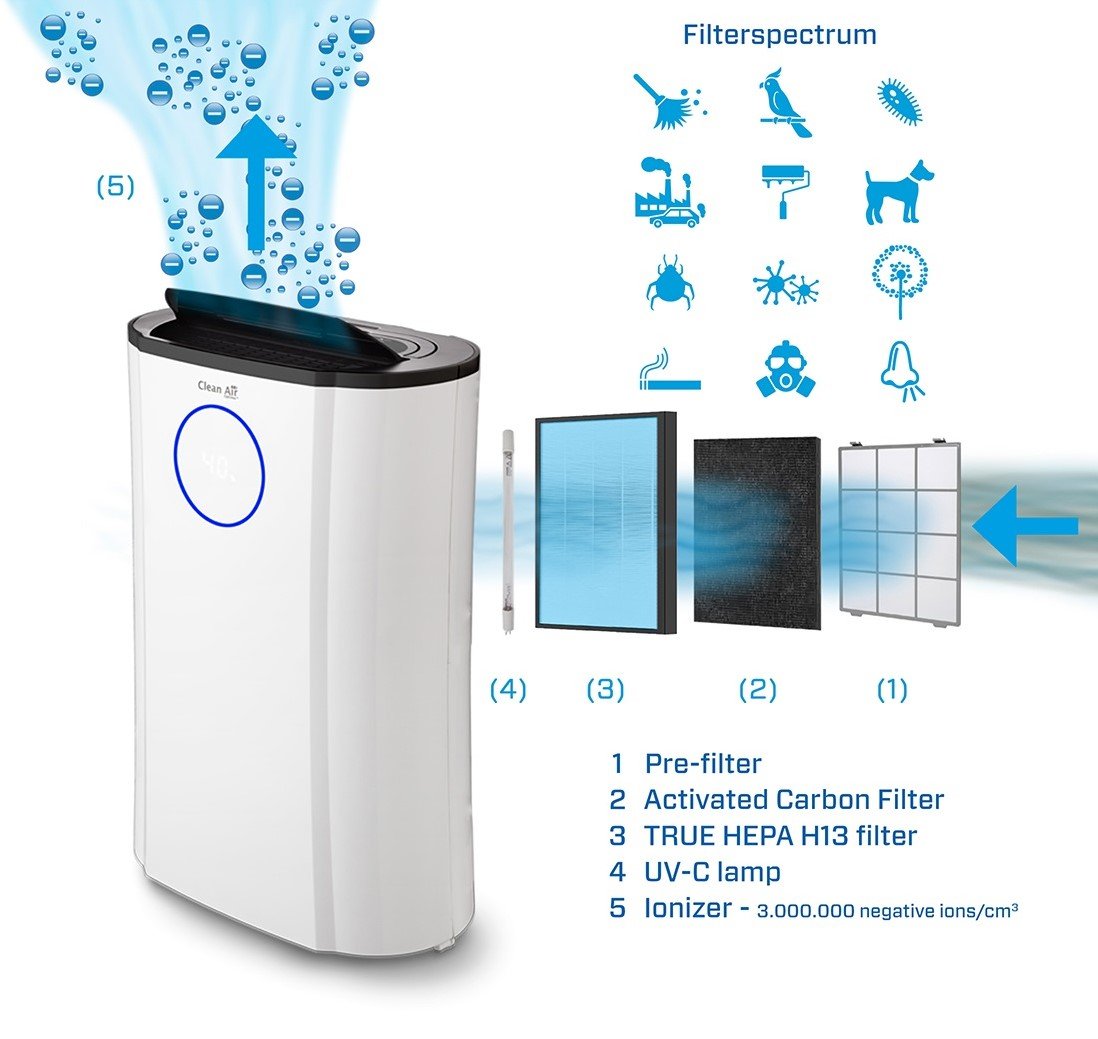
Air filtration systems help remove dust, debris, and fine particles that linger after moisture events or prolonged humidity.
In some cases, air scrubbing is used to clean the air more aggressively during recovery.
This step improves how the air feels and smells and supports overall indoor comfort.
Step Six: HVAC System Evaluation
HVAC systems are central to indoor air quality. If they are compromised, air quality improvements will not hold.
Air handlers, ductwork, and return pathways are evaluated for condensation, debris, or airflow restrictions.
If moisture or buildup is present, targeted cleaning or adjustments may be recommended.
Ensuring HVAC systems are clean, dry, and balanced supports consistent air quality throughout the home.
Step Seven: Ventilation and Airflow Improvements
Poor airflow allows moisture and stale air to collect in specific areas.
Bathrooms, laundry rooms, closets, and enclosed spaces are evaluated for ventilation effectiveness.
Improving exhaust systems and airflow distribution helps remove humid air and prevents stagnation.
Balanced airflow ensures fresh, conditioned air reaches all areas of the home.
Step Eight: Verification and Monitoring
The final step is verification. Moisture levels are rechecked to confirm drying and stabilization are complete.
Humidity readings help ensure indoor conditions remain within a stable range.
Homeowners are often advised on how to monitor humidity and recognize early signs of air quality changes.
This step ensures improvements are long-lasting rather than temporary.
How Indoor Air Quality Improvement Prevents Future Problems
By addressing moisture, airflow, and filtration together, indoor air quality improvement reduces the risk of recurring odors, material deterioration, and moisture-related damage.
Homes that complete the full process recover more fully after storms or humidity-related issues.
Improved air quality also supports better HVAC performance and long-term home maintenance.
Practical Tips for Homeowners After Improvements
Maintain AC systems regularly to prevent condensation and drainage issues.
Use exhaust fans in bathrooms, kitchens, and laundry areas.
Monitor indoor humidity, especially during summer and after storms.
Address leaks or water intrusion promptly.
Schedule inspections if the home has a history of moisture or air quality issues.
Why Local Experience Matters in North Lauderdale
Indoor air quality challenges vary by location. North Lauderdale homes face specific issues related to humidity, rainfall patterns, and construction styles.
Local professionals understand how air and moisture behave in these conditions and where problems typically develop.
This experience leads to more accurate inspections and more effective long-term solutions.
A Practical Path to Healthier Indoor Air
Indoor air quality improvement in North Lauderdale is a structured process built on inspection, moisture control, airflow correction, and filtration.
When handled correctly, it restores comfort, protects the home, and helps prevent future moisture-related problems.
For residential homeowners, taking an informed, step-by-step approach ensures indoor air quality improvements are effective, durable, and suited to South Florida’s demanding environment.
