Indoor Air Quality Improvement Solutions for Homes in Coconut Creek: Warning Signs and Prevention Tips
Indoor air quality plays an important role in the comfort and condition of homes in Coconut Creek. Because the climate is warm and humid for much of the year, indoor air can sometimes contain excess moisture, dust, and airborne particles. When humidity or ventilation problems develop, homeowners may notice odors, uneven airflow, or persistent dampness. Improving indoor air quality helps maintain a comfortable living environment, supports HVAC efficiency, and reduces the risk of mold growth.
Why Indoor Air Quality Problems Occur in Coconut Creek
Homes in Coconut Creek are affected by environmental conditions that make indoor air quality a common concern:
- High humidity levels throughout the year
- Frequent storms and heavy rainfall
- Continuous air-conditioning use
- Moisture from plumbing leaks or roof leaks
- Limited ventilation in enclosed areas
Humidity is one of the most significant factors, because damp air can allow odors and mold to develop more easily.
Warning Signs of Poor Indoor Air Quality
Indoor air quality issues often develop gradually. Homeowners should watch for early warning signs such as:
- Musty or stale odors
- Increased indoor humidity
- Dust accumulating quickly on surfaces
- Uneven airflow between rooms
- A damp feeling in closets or storage areas
These signs often indicate moisture buildup or ventilation problems that should be investigated.
Hidden Sources That Affect Indoor Air Quality
Many air quality problems begin in areas that are not visible during daily living. Inspectors in Coconut Creek frequently find contributing factors in:
- Air ducts and return vents
- Attic insulation affected by humidity
- Wall cavities near plumbing lines
- Carpet padding or subfloors with trapped moisture
- Air handler closets and condensate drain lines
Because these areas are concealed, problems can persist without obvious symptoms.
How Moisture Impacts Indoor Air Quality
Moisture is closely linked to indoor air conditions. When humidity levels rise, airborne particles and odors tend to linger, and building materials may remain damp longer.
Common sources of indoor moisture include:
- Air-conditioning condensation
- Plumbing leaks
- Roof leaks after storms
- Poor ventilation in bathrooms and kitchens
- Damp carpeting or flooring
Controlling moisture is one of the most effective ways to improve indoor air quality.
Why DIY Air Quality Fixes Often Fall Short
Homeowners sometimes try to improve air quality using air fresheners or small portable filters. While these methods may provide temporary relief, they usually do not address underlying causes such as humidity or hidden moisture.
DIY solutions may fall short because:
- Moisture sources remain unresolved
- Duct systems remain contaminated
- Ventilation problems are not corrected
- Hidden damp materials are not treated
Identifying and correcting the root cause is essential for long-term improvement.
Professional Indoor Air Quality Assessment
A professional inspection helps determine what is affecting indoor air conditions. In Coconut Creek homes, technicians typically:
- Measure indoor humidity levels
- Inspect HVAC systems and ductwork
- Check for moisture in walls, ceilings, and flooring
- Evaluate ventilation and airflow
- Identify conditions that may lead to mold growth
Pompano Mold Inspection and Testing often evaluates indoor air quality and moisture conditions in Coconut Creek and nearby Broward County communities, helping homeowners understand the factors affecting their indoor environment.
Effective Indoor Air Quality Improvement Solutions
Several solutions are commonly used to improve indoor air quality in residential homes.
Air Duct Cleaning
Cleaning duct systems removes dust and debris that can circulate through the home and affect airflow.
Humidity Control
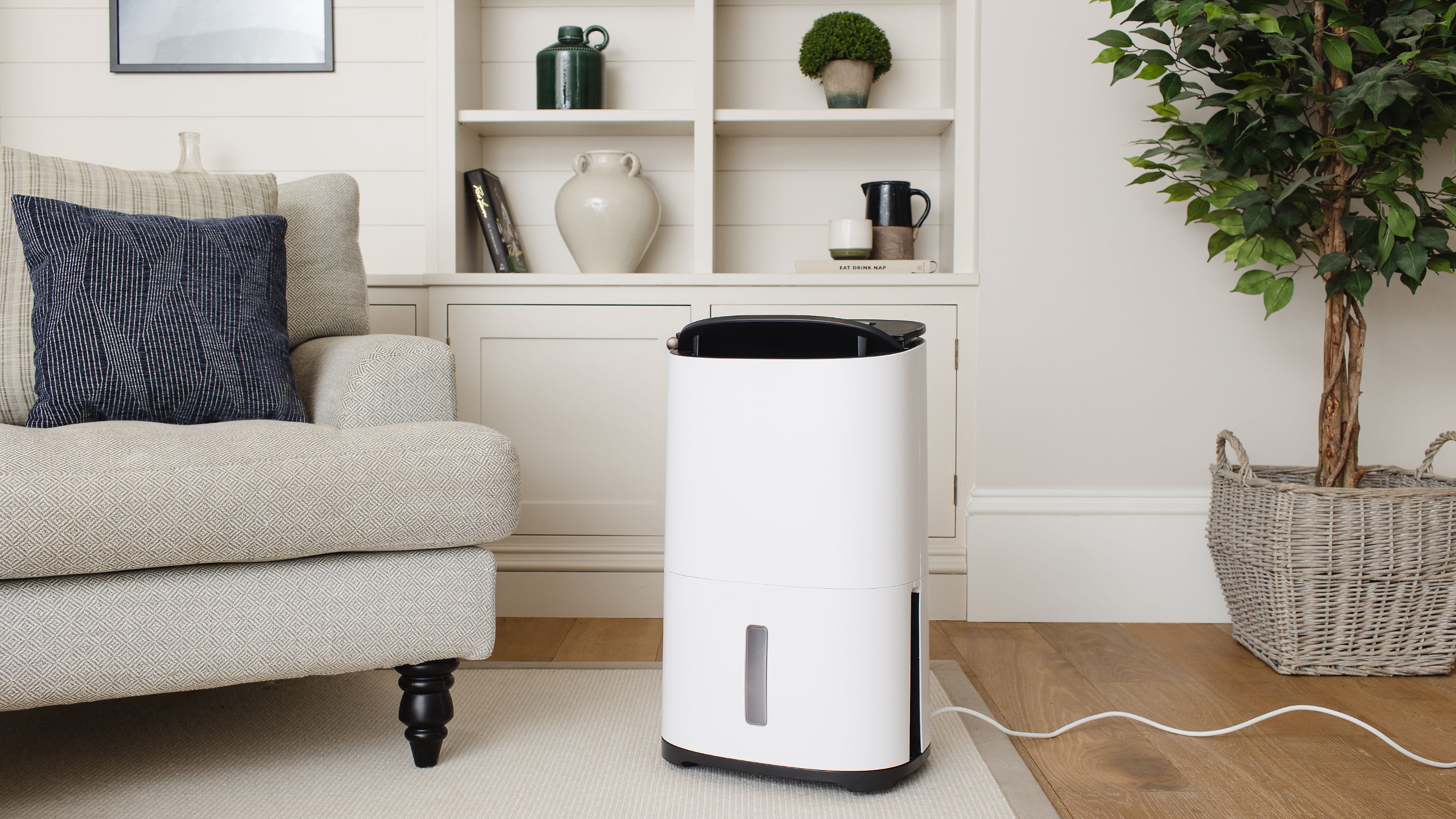
Dehumidifiers and properly functioning air-conditioning systems help maintain balanced humidity levels.
Mold Inspection and Remediation
If mold is present, removing contaminated materials and correcting moisture sources helps restore indoor conditions.
Ventilation Improvements
Improving airflow in attics, bathrooms, and laundry areas reduces moisture buildup.
HVAC Maintenance
Routine servicing helps prevent condensation and airflow problems.
Combining these solutions often produces the best results.
Mold and Indoor Air Quality
Poor indoor air quality is often connected to mold growth. Mold may develop in areas with persistent moisture, including:
- Behind drywall
- Inside duct systems
- Beneath flooring
- Attic insulation
If mold is detected, remediation may include removing affected materials, cleaning structural surfaces, and thoroughly drying the area to prevent recurrence.
HVAC Systems and Air Quality
HVAC systems play a central role in maintaining indoor air conditions. Problems that affect airflow or humidity can reduce air quality, including:
- Dirty or clogged air filters
- Moisture in duct insulation
- Blocked condensate drain lines
- Poor airflow in certain rooms
Routine maintenance and filter replacement help keep systems functioning efficiently.
Prevention Tips That Help Maintain Healthy Indoor Air
Homeowners in Coconut Creek can improve indoor air quality by following simple prevention steps:
Replace HVAC Filters Regularly
Clean filters improve airflow and reduce dust circulation.
Control Indoor Humidity
Using dehumidifiers helps maintain balanced moisture levels.
Repair Leaks Promptly
Fix plumbing or roof leaks as soon as they are discovered.
Improve Ventilation
Use exhaust fans in bathrooms and kitchens to remove moisture.
Inspect After Storms
Checking ceilings, walls, and attic areas after heavy rain helps detect moisture early.
These preventive steps significantly reduce the likelihood of air quality problems.
The Importance of Routine Inspections
Routine inspections help identify moisture or airflow problems before they lead to larger issues. Periodic indoor air quality evaluations are especially helpful:
- During humid summer months
- After heavy rain or storms
- When musty odors appear
- When airflow changes or cooling efficiency drops
Early detection often prevents major repairs or remediation work.
Why Local Experience Matters
Indoor air quality improvement in South Florida requires an understanding of local climate and construction conditions. Professionals familiar with Coconut Creek understand:
- How humidity affects indoor environments
- Typical HVAC layouts in Broward County homes
- Common moisture patterns after storms
This local knowledge helps inspections and solutions be more effective.
A Practical Next Step for Homeowners
Indoor air quality improvement is an important part of maintaining a comfortable and well-protected home. Identifying humidity problems, maintaining HVAC systems, and addressing moisture sources early can prevent mold growth and improve airflow.
With proper inspection, regular maintenance, and attention to humidity levels, homeowners in Coconut Creek can keep their indoor air clean, comfortable, and well balanced throughout the year.