Indoor Air Quality Improvement Solutions for Homes in North Lauderdale: A Complete Homeowner Guide
Indoor air quality plays a bigger role in home comfort than many people realize. In North Lauderdale, where humidity, heat, and frequent rain are part of everyday life, the air inside a home can sometimes hold more moisture, dust, and airborne particles than expected. Over time, poor indoor air quality can lead to musty odors, recurring moisture issues, and conditions that allow mold to grow.
Understanding how indoor air quality problems develop—and how to correct them—helps homeowners protect both their property and their living environment.
What Indoor Air Quality Problems Really Mean
Indoor air quality refers to the cleanliness and moisture balance of the air circulating inside a home. In many cases, the issue is not just dust or ventilation; it is the combination of humidity, moisture buildup, and airflow patterns.
When indoor air stays damp or stagnant, building materials such as drywall, wood, and insulation can slowly absorb moisture. That moisture can lead to mold growth, odors, and deterioration of materials over time.
In South Florida homes, indoor air quality problems often develop gradually, without obvious warning signs in the early stages.
Why This Happens So Often in North Lauderdale
North Lauderdale’s climate creates conditions that naturally challenge indoor air quality.
Humidity levels remain high for much of the year, even when temperatures are comfortable indoors. Air conditioning systems run frequently, and while they remove some moisture, condensation can accumulate in drain lines, ducts, or coils if systems are not maintained properly.
Heavy rains during the wet season increase ground moisture and raise indoor humidity levels. Older homes may have insulation or ventilation systems that were not designed for today’s humidity levels. Attics, crawl spaces, and duct systems can all trap moisture if airflow is limited.
Poor ventilation is another common factor. Homes that remain tightly sealed for energy efficiency may not exchange air often enough to remove humidity and airborne contaminants.
Common Signs Homeowners Notice
Indoor air quality problems usually appear through subtle signs rather than dramatic damage. Homeowners in North Lauderdale often report:
- A musty or stale smell indoors
- Rooms that feel humid even with the AC running
- Dust buildup around vents
- Increased allergy-like irritation indoors
- Condensation on windows or vents
- Uneven cooling or airflow
These signs often indicate moisture or airflow problems that should be investigated before they lead to mold growth or structural damage.
Hidden or Overlooked Sources of Indoor Air Problems
Some of the most significant indoor air quality issues originate in areas homeowners rarely inspect.
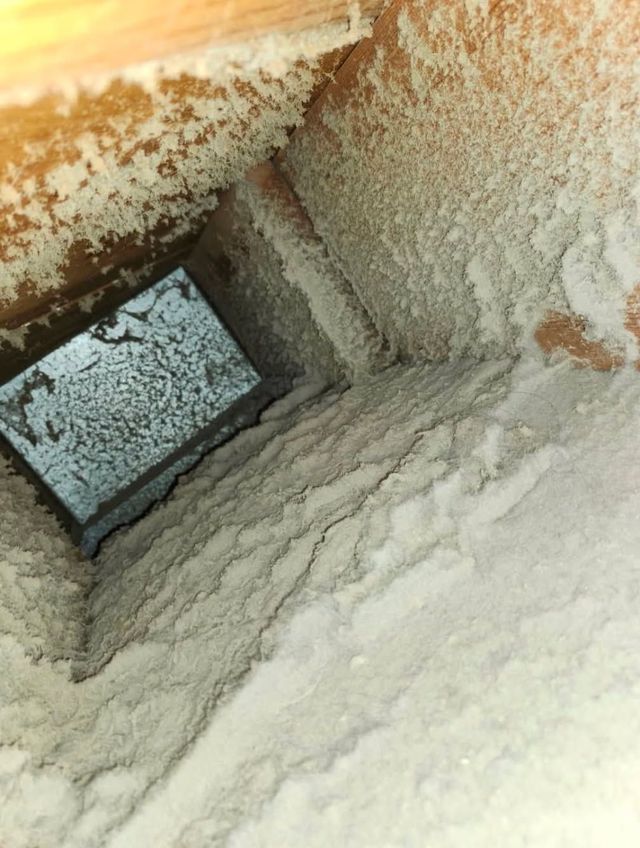
Air ducts are one of the most overlooked sources. Dust, moisture, and organic particles can accumulate inside ductwork, especially when condensation forms in humid conditions. Attics are another major contributor, particularly when ventilation is inadequate or insulation becomes damp.
Other hidden sources include:
- AC drain line clogs or slow leaks
- Moisture trapped behind walls
- Damp insulation in attics
- Poorly sealed windows or roof penetrations
- Carpets or padding affected by past water exposure
Because these sources are often concealed, professional inspection is sometimes necessary to identify the root cause.
Why DIY Air Quality Fixes Often Fall Short
Many homeowners attempt to improve indoor air quality by using air fresheners, portable filters, or temporary dehumidifiers. While these steps may provide short-term improvement, they rarely solve underlying moisture or ventilation issues.
If humidity remains high or mold begins forming in hidden areas, surface-level fixes cannot prevent the problem from returning. Addressing indoor air quality effectively requires identifying moisture sources, improving airflow, and ensuring building materials are fully dry.
Professional Indoor Air Quality Assessment Explained
A professional indoor air quality assessment focuses on identifying conditions that allow pollutants, moisture, or mold to accumulate.
An inspection may include:
- Measuring indoor humidity levels
- Checking ductwork and ventilation systems
- Inspecting attics and insulation
- Evaluating airflow patterns
- Detecting hidden moisture in walls or ceilings
Professionals familiar with Broward County homes, including technicians who regularly serve areas like North Lauderdale, Margate, Coconut Creek, and Lighthouse Point, understand how local construction methods and climate affect air quality.
Teams such as Pompano Mold Inspection and Testing often encounter recurring patterns in South Florida homes, allowing them to identify problem areas efficiently.
How Indoor Air Quality Improvement Is Performed
Improving indoor air quality usually involves a combination of solutions rather than a single repair.
Typical steps may include:
- Moisture Source Correction
Repairing leaks, improving drainage, or correcting condensation problems. - Drying and Dehumidification
Removing trapped moisture from building materials and air spaces. - Ventilation Improvements
Enhancing airflow in attics, crawl spaces, or living areas. - Air Duct Cleaning or Sealing
Removing dust and moisture buildup and improving airflow efficiency. - HVAC Maintenance
Ensuring coils, drain lines, and filters function properly.
These steps work together to restore balanced humidity and cleaner indoor air.
The Connection Between Mold and Indoor Air Quality
Indoor air quality and mold are closely related. Mold spores are naturally present in the environment, but they require moisture to grow. When humidity remains high or condensation persists, mold can begin developing in hidden areas.
Improving air quality often reduces the conditions that allow mold to spread. Proper drying, ventilation, and humidity control help prevent recurring growth.
Flood Restoration and Water Damage Repair
Past water damage can continue affecting indoor air quality long after surfaces appear dry. Carpets, padding, subfloors, and wall cavities may retain moisture that slowly evaporates into the indoor air.
Water damage restoration may involve:
- Removing damaged materials
- Structural drying
- Odor removal
- Cleaning affected surfaces
These steps prevent long-term moisture from affecting indoor air quality.
Air Ducts, AC Systems, and Airflow Problems
Air conditioning systems play a major role in maintaining indoor air quality in North Lauderdale homes. When AC systems operate correctly, they remove humidity and circulate filtered air.
However, problems such as clogged filters, blocked ducts, or dirty coils can reduce efficiency and increase moisture buildup. Condensation around ducts or vents may also contribute to mold growth if left unaddressed.
Routine inspection and cleaning of HVAC systems help maintain consistent airflow and humidity control.
How to Maintain Healthy Indoor Air in North Lauderdale Homes
Homeowners can take several practical steps to improve and maintain indoor air quality:
- Replace AC filters regularly
- Keep indoor humidity below recommended levels
- Inspect attics and ceilings after storms
- Maintain roof and flashing to prevent leaks
- Clean and inspect ducts periodically
- Ensure proper attic ventilation
Regular maintenance prevents small issues from turning into larger problems.
Why Local Experience Matters
Indoor air quality improvement requires understanding local environmental conditions. Coastal South Florida homes behave differently from homes in drier climates.
Professionals experienced in North Lauderdale and nearby communities understand:
- How humidity affects insulation and drywall
- Where condensation commonly forms
- How attic ventilation influences moisture levels
- How seasonal storms impact indoor air conditions
Local experience leads to faster diagnosis and more effective solutions.
A Practical Path Forward for Homeowners
Indoor air quality problems rarely appear overnight, and they rarely resolve on their own. The most effective approach is early identification, correction of moisture sources, and proper ventilation improvements.
Homeowners who address humidity and airflow issues promptly protect both the structure of their home and the comfort of the people living inside. When conditions require professional evaluation, experienced local specialists such as Pompano Mold Inspection and Testing can help identify underlying causes and recommend practical, long-term solutions tailored to South Florida homes.
Images