Inspection and Repair Guide: AC Moisture Repair in Pompano Beach in Rental Properties
Air conditioning systems are essential in Pompano Beach rental properties, where high humidity and warm temperatures make cooling a necessity throughout most of the year. While these systems provide comfort, they also produce condensation as part of normal operation. When moisture is not properly managed, it can lead to water damage, mold growth, and indoor air quality concerns—issues that can affect both property value and tenant comfort.
For landlords and property managers, understanding how AC moisture problems develop and how professional inspection and repair help prevent long-term damage is key to maintaining rental properties in South Florida.
What AC Moisture Problems Are
Air conditioners remove humidity from indoor air by cooling it. As warm air passes over the evaporator coil, moisture condenses into water droplets that drain through a condensate line. Under normal conditions, this process works quietly and efficiently.
Problems arise when condensation cannot drain properly or when humidity levels overwhelm the system. Water may collect in drain pans, ducts, insulation, or nearby building materials. Over time, this moisture can damage ceilings, walls, and flooring.
In rental properties, these issues may go unnoticed longer because tenants may not immediately recognize early warning signs.
Why AC Moisture Problems Are Common in Pompano Beach Rentals
Pompano Beach’s climate creates ideal conditions for condensation-related problems. High humidity persists year-round, and heavy seasonal rains raise moisture levels in attics and duct systems.
Several factors make rental properties particularly vulnerable:
- Continuous AC operation during hot months
- Older HVAC systems in some rental units
- Infrequent filter changes or maintenance
- Poor attic ventilation
- Air leaks in ducts or ceiling cavities
- Drain lines that become clogged over time
Nearby communities such as Lighthouse Point, Deerfield Beach, and Margate often experience similar conditions due to the shared coastal environment.
Common Signs Tenants and Property Owners Notice
AC moisture problems often begin with subtle warning signs. Landlords and tenants should watch for:
- Water stains near ceiling vents
- Musty odors when the AC runs
- Damp spots on ceilings or walls
- Dripping near indoor air handlers
- Increased indoor humidity
- Mold spots around vents or ducts
Early reporting of these signs helps prevent more extensive repairs later.
Hidden Sources of AC Moisture in Rental Properties
One challenge with condensation issues is that moisture often accumulates in areas that are not visible during routine inspections.
Common hidden sources include:
- Clogged condensate drain lines
- Cracked or rusted drain pans
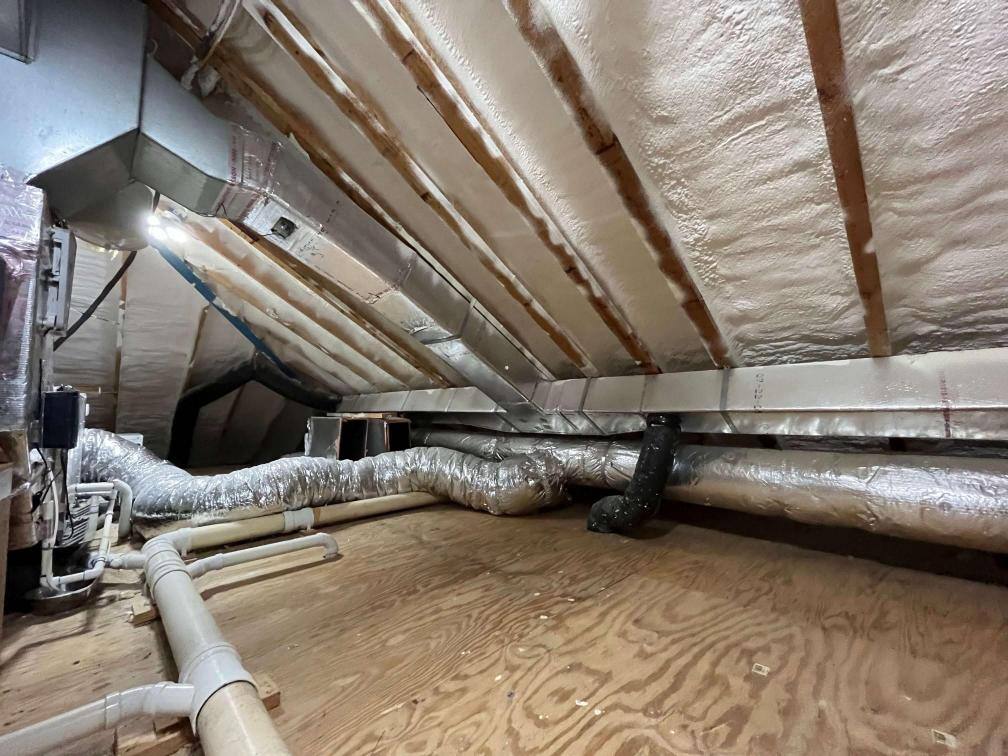
- Moisture inside duct insulation
- Air leaks allowing humid attic air into ducts
- Poor insulation around refrigerant lines
Because these areas are concealed, a thorough inspection is usually necessary to locate the root cause.
Why Quick Repairs Matter in Rental Properties
Moisture problems in rental homes can worsen quickly if not addressed. Damp materials can deteriorate, and mold may begin developing within a short time when humidity remains high.
Prompt inspection and repair help:
- Prevent structural damage
- Reduce the risk of mold growth
- Maintain healthy indoor air conditions
- Protect ceilings, drywall, and insulation
- Avoid larger restoration costs later
Addressing problems early is often the most cost-effective approach for property owners.
Professional AC Moisture Inspection Explained
A professional inspection focuses on identifying both visible and hidden moisture sources. The process typically includes:
- Checking condensate drain lines and pans
- Measuring humidity levels near ducts and vents
- Inspecting attic ductwork and insulation
- Evaluating airflow and ventilation
- Detecting hidden moisture in ceilings or walls
Professionals experienced in Broward County homes understand how local humidity and construction patterns influence AC performance. Specialists familiar with rental properties, including teams such as Pompano Mold Inspection and Testing, often recognize recurring moisture patterns that help pinpoint issues quickly.
The AC Moisture Repair Process
Effective repair involves more than clearing a drain line. A complete solution may include several steps:
- Drain Line Cleaning or Replacement
Ensuring condensation flows freely away from the system. - Drain Pan Repair or Replacement
Preventing water from pooling inside the unit. - Sealing Duct Leaks
Preventing humid attic air from entering the duct system. - Improving Ventilation
Reducing humidity buildup in attics or mechanical areas. - Drying Affected Materials
Removing moisture from insulation, drywall, or nearby structures. - System Performance Check
Confirming airflow and humidity control are functioning properly.
These steps help restore proper moisture control and reduce the likelihood of recurring problems.
Mold Risks Associated with AC Moisture
When condensation persists, mold may develop in ducts, insulation, or ceiling materials. Mold growth often begins in hidden areas where moisture remains trapped.
If mold is discovered, removal and remediation may be necessary to fully restore indoor conditions. This process typically involves cleaning affected surfaces, removing contaminated materials when necessary, and correcting moisture sources to prevent recurrence.
Water Damage Repair After AC Leaks
In some cases, condensation from AC systems leads to water damage. Ceiling materials, drywall, and flooring may absorb moisture slowly, weakening over time.
Water damage repair may involve:
- Structural drying
- Ceiling or drywall replacement
- Insulation removal and replacement
- Cleaning and odor control
Timely repairs help maintain the integrity of rental properties and prevent tenant complaints related to odors or stains.
Air Ducts, Indoor Air Quality, and Moisture
Moisture inside duct systems affects indoor air quality by allowing dust and organic particles to accumulate in damp conditions. This can lead to musty odors and reduced airflow.
Cleaning and drying ducts help restore efficient airflow and improve indoor air conditions, especially during humid months in Pompano Beach.
Preventing Future AC Moisture Problems in Rentals
Preventive maintenance is one of the most effective ways to reduce AC moisture issues.
Property owners can help prevent problems by:
- Scheduling regular HVAC inspections
- Replacing air filters routinely
- Checking drain lines periodically
- Inspecting attic insulation and ducts
- Monitoring indoor humidity levels
- Addressing roof or attic leaks promptly
Routine maintenance reduces the risk of costly repairs and tenant complaints.
Why Local Experience Matters
AC moisture repair in South Florida requires an understanding of climate, humidity patterns, and construction methods. Rental properties in Pompano Beach experience conditions that differ from homes in dry climates.
Professionals with local experience understand:
- How rainy seasons affect attic humidity
- Where condensation commonly forms in local homes
- How duct insulation performs in coastal environments
- How storm conditions increase moisture risks
Local knowledge allows faster diagnosis and more effective long-term repairs.
A Practical Approach for Property Owners
AC moisture problems in rental properties are common in Pompano Beach, but they are manageable when addressed early. Regular inspections, prompt repairs, and proper ventilation help protect both the property and tenant comfort.
Landlords who respond quickly to warning signs reduce long-term maintenance costs and preserve the condition of their buildings. When a professional evaluation is needed, experienced local specialists such as Pompano Mold Inspection and Testing can help identify the source of moisture problems and recommend practical solutions tailored to rental properties in Pompano Beach and surrounding Broward County communities.
Images