Inspection and Repair Guide: Flood Restoration in Pompano Beach from AC Condensation
Flooding inside a home is often associated with storms or plumbing failures, but in Pompano Beach, air conditioning condensation is another common cause of indoor water damage. Because AC systems run nearly year-round in South Florida, even a small drainage issue can lead to significant moisture buildup. When condensation overflows or leaks into surrounding materials, flood restoration and water damage repair may be necessary. Understanding the inspection and repair process helps homeowners respond quickly and prevent long-term damage.
How AC Condensation Causes Flooding
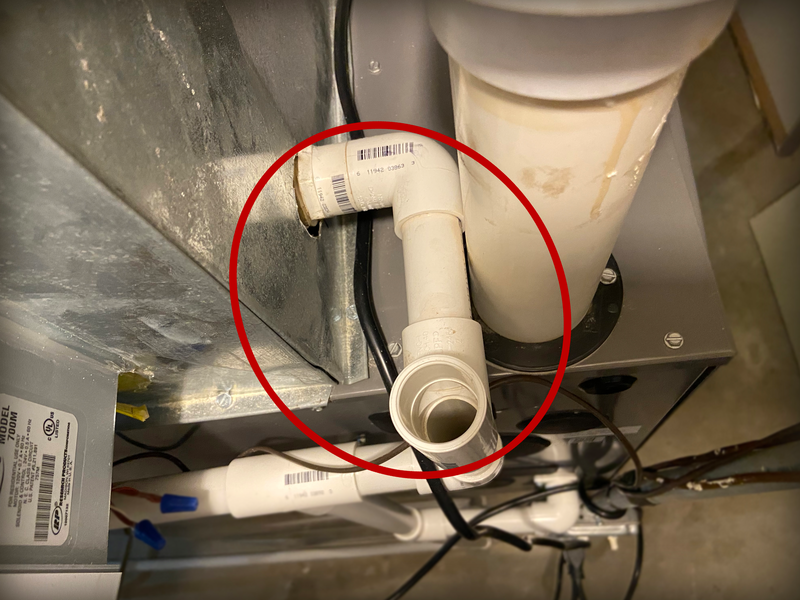
Air conditioning systems remove humidity from indoor air as part of the cooling process. This moisture normally drains through a condensate line. However, if the drain line becomes clogged or the drain pan overflows, water can leak into nearby areas.
AC condensation flooding commonly affects:
- Air handler closets
- Nearby drywall and baseboards
- Flooring and subfloors
- Ceiling areas below attic units
- Insulation and ductwork
Because condensation can occur slowly over time, flooding may not be immediately noticed until damage becomes visible.
Why AC Condensation Problems Are Common in Pompano Beach
Several local conditions contribute to condensation-related flooding in Pompano Beach:
- High humidity levels year-round
- Continuous AC system operation
- Algae or debris clogging drain lines
- Older HVAC systems with worn components
- Poor airflow or insulation around ducts
These factors make routine inspection and maintenance especially important in Broward County homes.
Early Signs of AC Condensation Flooding
Homeowners often notice subtle warning signs before significant flooding occurs. Common indicators include:
- Musty odors near the air handler
- Water stains on walls or ceilings
- Damp or warped flooring near AC units
- Dripping sounds from HVAC closets
- Increased indoor humidity
Ignoring these signs can allow moisture to spread into structural materials.
Hidden Areas Where Moisture Spreads
Condensation flooding often affects areas that are not immediately visible. Inspectors in Pompano Beach frequently find hidden moisture in:
- Wall cavities near AC systems
- Under flooring or carpet padding
- Attic insulation surrounding ductwork
- Inside air ducts
- Subfloors beneath tile or laminate
Because moisture can travel through materials, damage may extend beyond the original leak area.
Why DIY Cleanup Often Falls Short
Some homeowners attempt to dry the area using towels or household fans, but this rarely removes moisture trapped inside materials. Surface drying alone may leave:
- Damp insulation
- Moist subfloors
- Humidity trapped in walls
- Conditions that allow mold growth
Professional drying equipment is usually required to remove deep moisture effectively.
Professional Inspection Process Explained
A thorough inspection is the first step in flood restoration. In Pompano Beach homes, technicians typically:
- Identify the source of the condensation leak
- Inspect the air handler, drain pan, and drain lines
- Measure moisture levels in walls, floors, and ceilings
- Check ducts and insulation for dampness
- Evaluate indoor humidity levels
Pompano Mold Inspection and Testing often performs these inspections in Pompano Beach and nearby communities, helping homeowners understand the extent of moisture damage before repairs begin.
Step-by-Step Flood Restoration and Repair Process
Flood restoration from AC condensation usually follows a structured process to ensure complete drying and safe repairs.
Step 1: Water Extraction
Standing water is removed using specialized extraction equipment to prevent further absorption into materials.
Step 2: Removal of Damaged Materials
If drywall, insulation, or flooring is severely affected, these materials may need to be removed to allow proper drying.
Step 3: Structural Drying
Air movers and dehumidifiers are used to remove moisture from framing, subfloors, and surrounding materials.
Step 4: Cleaning and Sanitizing
Affected areas are cleaned to reduce odors and contaminants and to prepare surfaces for repair.
Step 5: Repairs and Restoration
Once materials are fully dry, repairs such as replacing drywall, repainting, or reinstalling flooring can be completed.
This step-by-step approach ensures that moisture is fully removed and the structure is restored safely.
Mold Removal and Remediation Considerations
Condensation flooding can create conditions where mold develops, particularly in warm and humid environments like Pompano Beach. If mold is discovered, remediation may include:
- Containment of affected areas
- Removal of contaminated materials
- Cleaning and sanitizing structural surfaces
- Stabilizing humidity levels
Addressing the moisture source is essential to prevent mold from returning.
Air Ducts and HVAC System Considerations
Air ducts are often located near or connected to the air handler, making them vulnerable to moisture exposure. Damp ducts can lead to:
- Musty odors circulating through vents
- Reduced airflow
- Mold growth in duct insulation
Inspecting and cleaning duct systems after condensation flooding helps maintain indoor air quality and system efficiency.
How to Prevent AC Condensation Flooding
Homeowners in Pompano Beach can reduce the risk of condensation-related flooding by following practical maintenance steps:
- Schedule regular HVAC maintenance
- Keep condensate drain lines clean
- Replace air filters regularly
- Inspect air handler closets periodically
- Monitor humidity levels indoors
Preventive maintenance is often the most effective way to avoid costly repairs.
Why Local Experience Matters
Moisture problems in South Florida behave differently than in cooler or drier climates. Professionals familiar with Pompano Beach understand:
- How humidity affects drying times
- Common HVAC configurations in Broward County homes
- Typical condensation and drainage issues in coastal environments
This local knowledge helps inspections be more accurate and restoration more effective.
A Practical Next Step for Homeowners
Flooding from AC condensation can develop quietly but cause significant damage if not addressed. A thorough inspection and proper restoration process help protect structural materials, maintain indoor air quality, and prevent mold growth.
By responding quickly and maintaining HVAC systems regularly, homeowners in Pompano Beach can reduce the risk of condensation flooding and keep their homes dry and comfortable throughout the year.