Inspection and Repair Guide: Mold Inspection and Testing in Fort Lauderdale from AC Condensation
Air conditioning systems are essential in Fort Lauderdale, where high humidity and warm temperatures make indoor cooling a daily necessity. However, one of the most overlooked causes of mold growth in homes is AC condensation. When moisture from cooling systems accumulates and airflow is limited, mold can begin to develop in walls, ceilings, ducts, and nearby building materials.
Understanding how mold inspection and testing work—and why AC condensation is such a common trigger—helps homeowners and property managers detect problems early and prevent costly damage.
What Mold from AC Condensation Is
Air conditioners remove humidity from indoor air, but the moisture they collect must be properly drained. When drain lines clog, drip pans overflow, or insulation around ducts becomes damp, condensation can accumulate in hidden areas.
This trapped moisture creates ideal conditions for mold to grow. Mold may appear:
- Around vents and air returns
- Inside ductwork
- On ceilings below attic air handlers
- Behind walls near AC lines
- Inside closets or utility rooms
Because condensation develops slowly, mold caused by AC systems often spreads before it is noticed.
Why This Happens So Often in Fort Lauderdale
Fort Lauderdale’s coastal climate plays a major role in condensation-related mold problems. Homes in this region experience:
- High humidity for much of the year
- Frequent AC use, sometimes running continuously
- Warm attic temperatures that cause duct sweating
- Rapid temperature differences between indoor and outdoor air
In nearby communities like Lighthouse Point, Lauderdale-by-the-Sea, and Deerfield Beach, salt air and humidity can accelerate moisture buildup in HVAC components. Even newer homes in Coconut Creek and Margate can develop condensation issues if drainage or insulation is inadequate.
Older systems, poor maintenance, or restricted airflow often make the problem worse.
Common Signs Homeowners Notice
Mold caused by AC condensation often begins quietly, but several warning signs may appear:
- Musty odors near vents or closets
- Water stains on ceilings or walls
- Dark spotting around air registers
- Increased humidity indoors
- Dripping or moisture near air handlers
Some homeowners first notice symptoms when cooling efficiency decreases or rooms feel damp despite running the air conditioner.
These signs should be investigated promptly, since mold can spread rapidly in humid environments.
Hidden or Overlooked Sources
AC-related mold often develops in areas that are rarely inspected.
Common hidden locations include:
- Inside duct insulation
- Beneath attic air handlers
- Behind drywall near refrigerant lines
- Inside return air chases
- Around improperly sealed vents
Attics in Fort Lauderdale homes are particularly vulnerable. Warm attic air combined with cold duct surfaces can create condensation that soaks insulation and wood framing over time.
Professional inspections often reveal moisture problems that are not visible from living spaces.
Why DIY Mold Removal Usually Fails
Many homeowners try to clean visible mold with household products. While this may remove surface staining, it rarely solves the underlying moisture problem.
Without correcting the condensation source, mold often returns. Additionally:
- Spores may remain inside porous materials
- Cleaning may spread mold to nearby surfaces
- Hidden mold behind walls remains untreated
DIY methods also rarely address moisture trapped inside ducts or structural cavities.
Proper inspection and testing are essential to determine how far mold has spread and what repairs are necessary.
Professional Mold Inspection & Testing Explained
A thorough inspection focuses on both the mold itself and the conditions causing it.
During a professional evaluation, technicians typically:
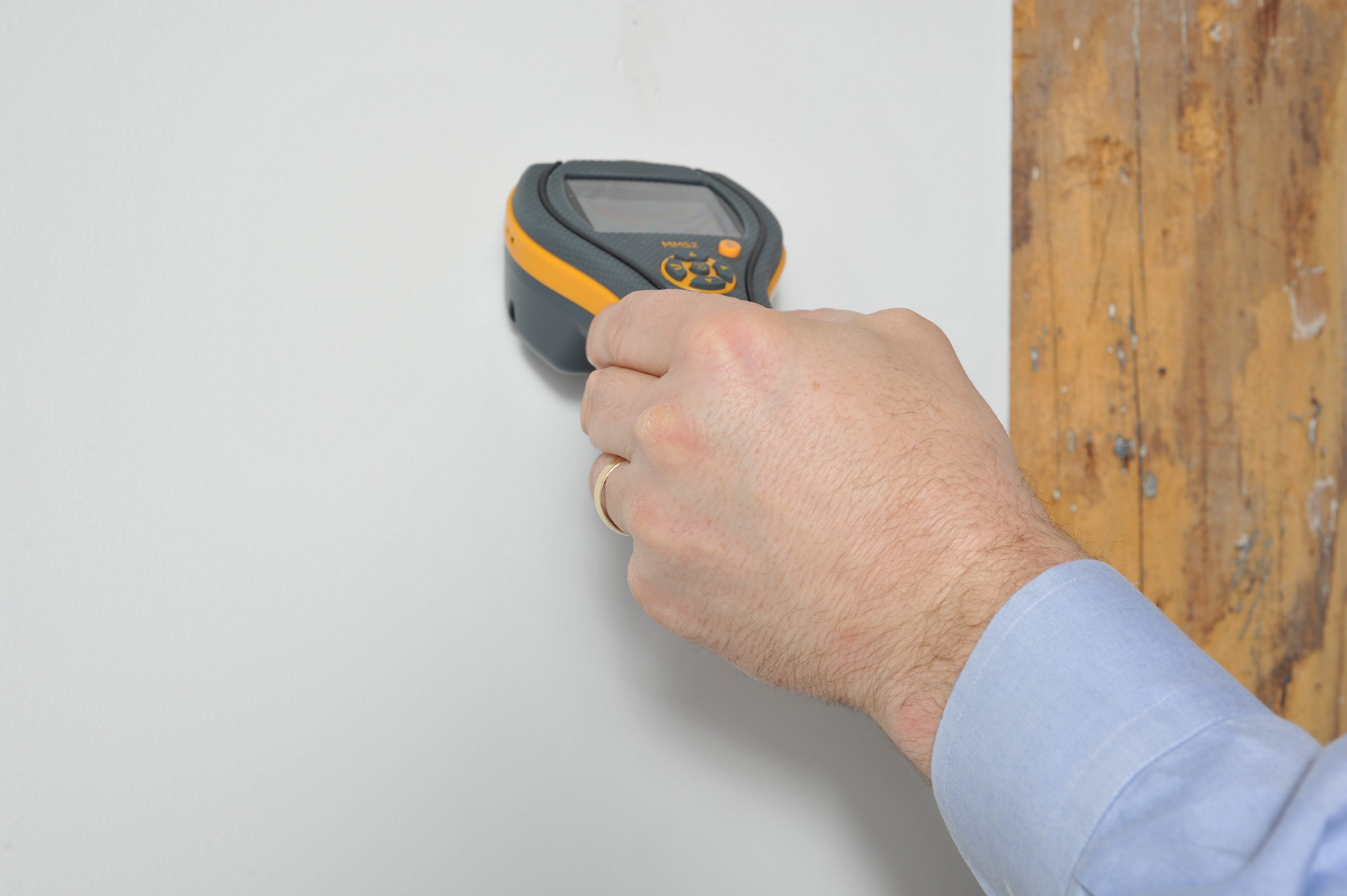
- Measure moisture levels in walls and ceilings
- Inspect air handlers, ducts, and drain lines
- Check attic insulation and ventilation
- Evaluate airflow and humidity levels
- Perform mold testing when needed
Local specialists such as Pompano Mold Inspection and Testing understand how Florida humidity and HVAC usage contribute to condensation problems. Their experience with homes across Fort Lauderdale and surrounding Broward County communities allows them to identify moisture patterns quickly and accurately.
Testing helps confirm the presence of mold and determine the appropriate remediation approach.
Proper Mold Removal & Remediation Process
When mold is confirmed, removal follows a controlled process designed to prevent contamination from spreading.
Typical steps include:
- Containment of affected areas
- Air filtration to capture airborne spores
- Removal of contaminated materials if necessary
- Cleaning and treatment of surfaces
- Drying and correction of moisture sources
Addressing AC condensation is critical. This may involve repairing drain lines, improving duct insulation, or adjusting ventilation to reduce humidity.
Without correcting the source of moisture, mold can return even after thorough cleaning.
Flood Restoration & Water Damage Repair Considerations
Although AC condensation usually develops gradually, it can sometimes lead to water damage similar to minor flooding, especially when drain lines clog or drip pans overflow.
Water damage restoration may involve:
- Removing saturated drywall or insulation
- Drying structural components
- Repairing ceilings or flooring
- Restoring affected areas
Prompt drying and repair prevent secondary mold growth and protect structural materials.
Air Ducts, AC Systems & Mold
Ductwork plays a major role in indoor air quality. When moisture accumulates inside ducts, mold can spread through the ventilation system.
Signs of duct-related mold include:
- Musty smells when the AC runs
- Dust buildup around vents
- Uneven airflow
- Persistent humidity indoors
Duct cleaning, sealing, and insulation improvements are often recommended after mold remediation to prevent recurrence.
Regular HVAC maintenance is one of the most effective ways to reduce condensation problems in Fort Lauderdale homes.
How to Prevent Mold from AC Condensation
Preventive steps can significantly reduce the likelihood of mold growth.
Homeowners can help protect their property by:
- Cleaning AC drain lines regularly
- Replacing air filters on schedule
- Inspecting attic ducts for insulation problems
- Using exhaust fans to reduce indoor humidity
- Scheduling routine HVAC maintenance
Maintaining indoor humidity below recommended levels is especially important during humid Florida summers.
Homes in North Lauderdale, Margate, and Coconut Creek benefit from periodic inspections, particularly before and after the rainy season.
Why Local Experience Matters
Mold caused by AC condensation is influenced heavily by regional climate. South Florida’s humidity, coastal air, and construction methods create unique conditions that require specialized knowledge.
Local professionals understand:
- Seasonal humidity patterns
- Typical HVAC configurations in Broward County homes
- Ventilation challenges in coastal environments
- The interaction between attic heat and cooled ducts
Working with experienced companies like Pompano Mold Inspection and Testing helps ensure that both mold removal and moisture control are handled effectively.
A Calm, Practical Next Step
Mold caused by AC condensation is a common issue in Fort Lauderdale, but it is manageable when detected early. Inspection and testing provide clarity about the source and extent of the problem, while proper remediation and repairs restore indoor environments safely.
Property owners who address condensation, maintain HVAC systems, and respond quickly to warning signs can prevent long-term damage and maintain comfortable, healthy living spaces throughout the year.