Inspection and Repair Guide: Mold Inspection and Testing in Lauderdale-by-the-Sea in Coastal Homes
Coastal homes in Lauderdale-by-the-Sea offer beautiful surroundings and ocean breezes, but they are also exposed to high humidity, salt air, and frequent storms. These conditions make mold growth more likely, especially when moisture enters hidden areas of a home. Mold inspection and testing help homeowners detect problems early, locate moisture sources, and prevent structural damage. Understanding how inspections work and what repairs may be needed allows homeowners to protect their property and maintain a comfortable indoor environment.
Why Coastal Homes Are More Vulnerable to Mold
Homes near the coast experience environmental conditions that increase mold risks:
- High humidity levels throughout the year
- Salt air that accelerates wear on building materials
- Frequent rain and storms
- Roof and window seal deterioration
- Continuous air-conditioning use causing condensation
Because moisture evaporates slowly in humid environments, damp materials can remain wet long enough for mold to develop.
What Mold Inspection and Testing Involve
Mold inspection is the process of examining a home to locate visible or hidden mold and identify moisture sources. Mold testing may be performed to confirm the presence of mold and evaluate indoor conditions.
A typical inspection includes:
- Visual examination of walls, ceilings, and flooring
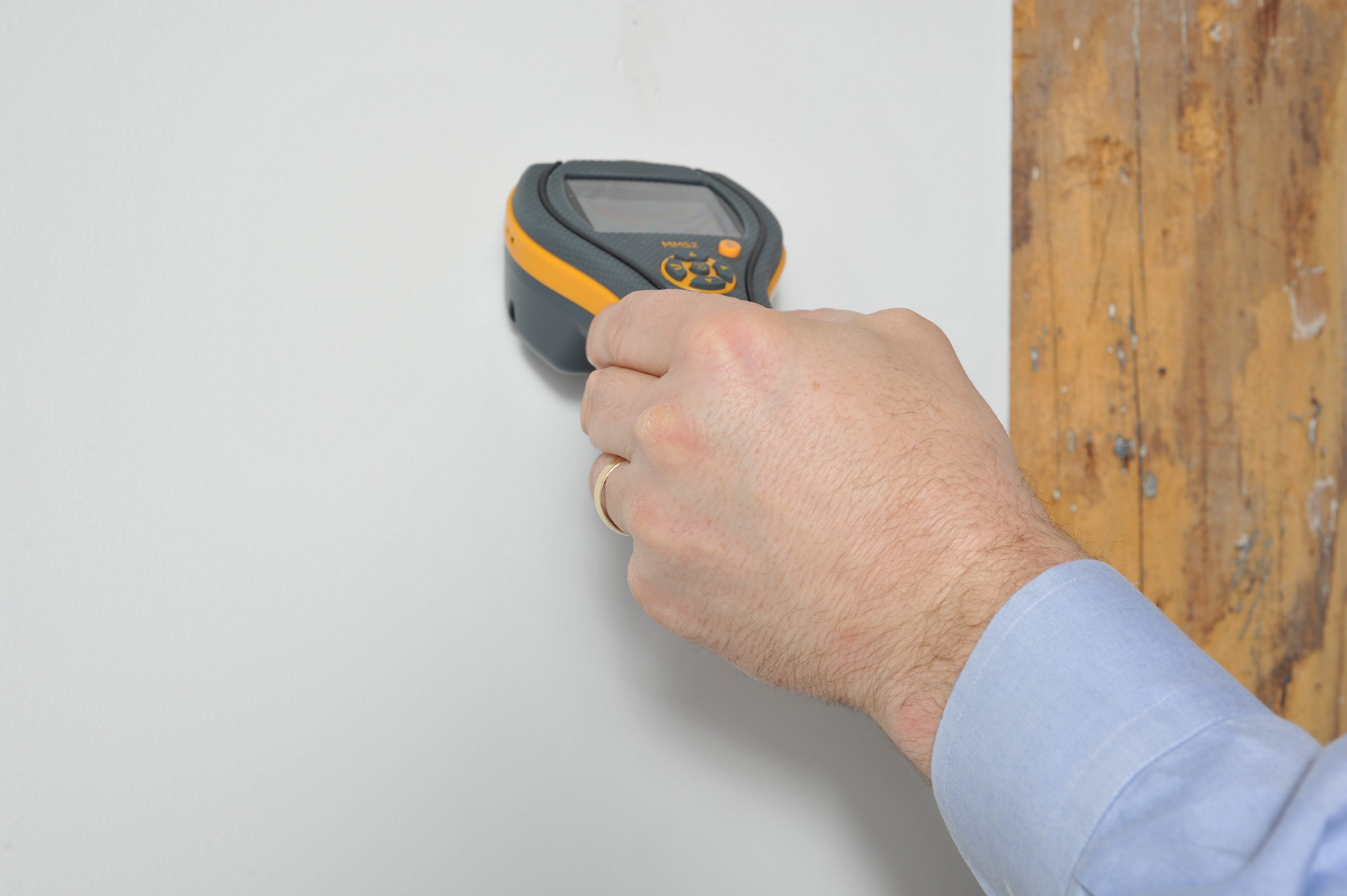
- Moisture measurements in building materials
- Inspection of attics, ducts, and crawl spaces
- Evaluation of ventilation and humidity levels
- Identification of water intrusion points
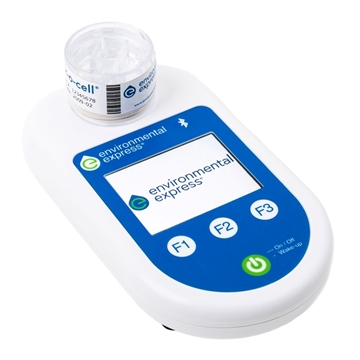
Testing may involve collecting air or surface samples when needed to better understand indoor mold conditions.
Early Signs Homeowners Should Not Ignore
Mold problems often begin gradually. Homeowners in Lauderdale-by-the-Sea may notice:
- Musty or damp odors
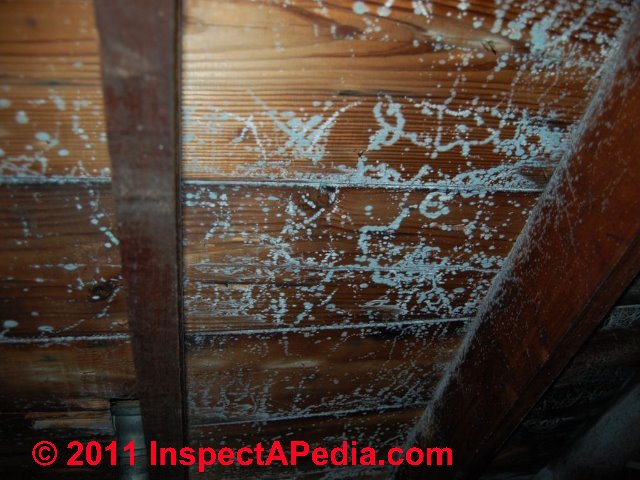
- Dark spots on ceilings or walls
- Peeling paint or bubbling drywall
- Warped baseboards or trim
- Increased indoor humidity
These signs often indicate moisture conditions that should be inspected promptly.
Hidden Areas Where Mold Often Develops
Mold frequently grows in areas that are not visible during daily use. Inspectors in coastal homes often find mold in:
- Attic insulation and roof decking
- Behind drywall near exterior walls
- Beneath flooring or carpet padding
- Inside air ducts and air handler compartments
- Closets and storage areas with limited airflow
Because these areas are concealed, mold can spread for weeks before becoming visible.
Why DIY Mold Checks Often Miss Problems
Homeowners sometimes attempt to identify mold by looking for visible spots or using basic cleaning products. While these steps may remove surface staining, they rarely reveal hidden moisture or contamination.
DIY checks often miss:
- Moisture trapped behind drywall
- Damp attic insulation
- Mold inside duct systems
- Slow roof or plumbing leaks
Professional inspection tools are designed to detect moisture deep inside building materials.
Step-by-Step Mold Inspection Process
A professional mold inspection in Lauderdale-by-the-Sea typically follows a structured process:
Step 1: Initial Assessment
Technicians gather information about recent leaks, storms, or humidity issues and identify areas of concern.
Step 2: Visual Inspection
Walls, ceilings, flooring, and attics are examined for signs of moisture or mold growth.
Step 3: Moisture Detection
Moisture meters and thermal tools are used to locate hidden damp areas.
Step 4: HVAC and Duct Inspection
Air conditioning systems and ducts are inspected for condensation or mold risks.
Step 5: Mold Testing (When Needed)
Air or surface samples may be collected to confirm mold presence and evaluate indoor conditions.
Pompano Mold Inspection and Testing often performs inspections and moisture evaluations in Lauderdale-by-the-Sea and surrounding Broward County communities, helping homeowners identify problems early and determine appropriate corrective steps.
Repair and Remediation After Mold Is Found
If mold is detected, repairs and remediation may be necessary to restore safe conditions. The process may include:
- Containing affected areas
- Removing contaminated materials when necessary
- Cleaning and sanitizing structural surfaces
- Drying materials thoroughly
- Repairing drywall, insulation, or flooring
Addressing the moisture source is essential to prevent mold from returning.
Water Damage and Coastal Moisture Issues
Mold growth in coastal homes is often linked to water damage caused by:
- Roof leaks after storms
- Plumbing failures
- Window or door seal failures
- Air-conditioning condensation
Water damage restoration may involve water extraction, structural drying, and repairs to eliminate moisture and stabilize indoor conditions.
HVAC Systems, Air Ducts, and Mold Risks
HVAC systems play a major role in humidity control. Moisture inside ducts or air handlers can contribute to mold growth and poor indoor air quality.
Common HVAC-related issues include:
- Clogged condensate drain lines
- Damp duct insulation
- Dirty air filters restricting airflow
- Poor ventilation around air handlers
Regular inspection and maintenance help reduce these risks.
Prevention Tips for Coastal Homes
Homeowners in Lauderdale-by-the-Sea can reduce mold risks by following practical steps:
- Inspect roofs and flashing regularly
- Maintain air-conditioning systems and drain lines
- Monitor indoor humidity levels
- Improve ventilation in closets and attics
- Repair leaks promptly
Routine inspections often prevent small moisture issues from becoming larger problems.
Why Local Experience Matters
Mold inspection in coastal South Florida requires an understanding of local climate and construction methods. Professionals familiar with Lauderdale-by-the-Sea understand:
- How coastal humidity affects building materials
- Typical attic and ventilation designs in Broward County homes
- Common moisture patterns after storms
This local knowledge helps inspections and repairs be more accurate and effective.
A Practical Next Step for Homeowners
Mold inspection and testing are essential steps in protecting coastal homes from long-term moisture damage. Identifying hidden moisture early, performing necessary repairs, and maintaining proper ventilation help preserve both indoor air quality and structural materials.
With regular inspections and proper maintenance, homeowners in Lauderdale-by-the-Sea can keep their homes dry, comfortable, and protected from mold-related problems.