Lauderdale-by-the-Sea Home Moisture Control After Storm Damage: Practical Tips That Work
Storms are a regular part of life in Lauderdale-by-the-Sea. Heavy rain, strong winds, and high humidity often leave behind more than just visible damage. Even when a home appears dry, moisture can remain trapped in walls, ceilings, flooring, and air systems. If this moisture is not controlled, it can lead to mold growth, odors, and long-term structural damage. Learning how to manage moisture after storm damage helps homeowners protect their property and maintain a healthy indoor environment.
Why Storm Damage Leads to Moisture Problems
Storms introduce moisture into homes in several ways. Rainwater can enter through small openings or damaged materials, and high humidity can slow drying even after visible water is removed.
Common sources of moisture after storms include:
- Minor roof leaks or damaged flashing
- Wind-driven rain entering around windows or doors
- Flooding or standing water
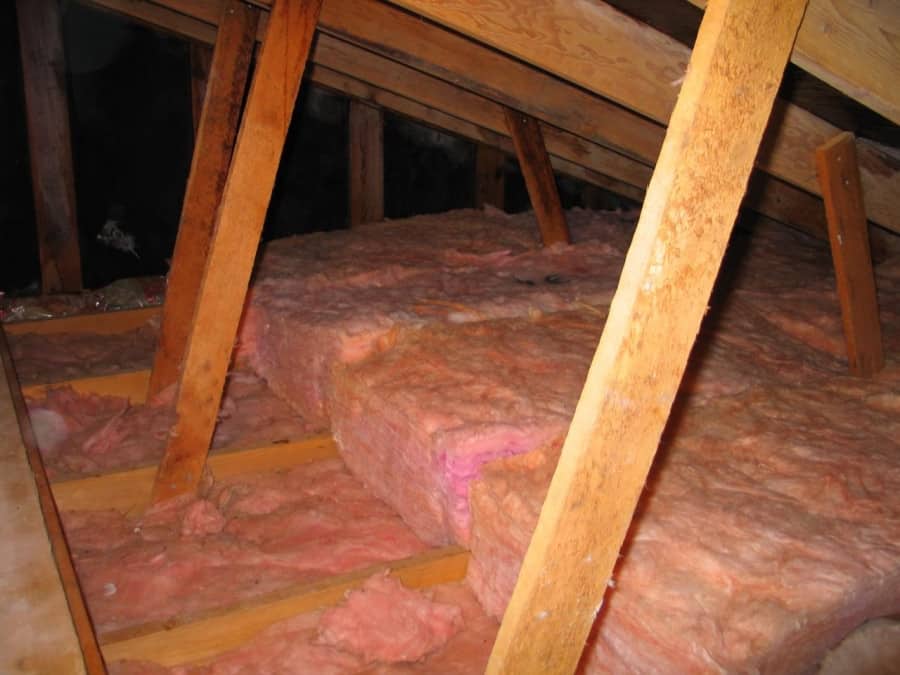
- Wet insulation in attics
- Condensation caused by elevated humidity
Because building materials such as drywall and wood absorb water quickly, moisture can remain trapped long after a storm has passed.
Why Moisture Problems Are Common in Lauderdale-by-the-Sea
Coastal homes in Lauderdale-by-the-Sea face environmental conditions that make drying more difficult:
- High outdoor humidity levels
- Warm temperatures year-round
- Frequent storms and rain showers
- Salt air that increases moisture retention
- Continuous air conditioning use
These conditions slow evaporation and allow damp materials to remain wet longer than expected.
Early Signs of Moisture Problems
After storm damage, homeowners should watch for warning signs that indicate moisture may still be present:
- Musty or damp odors
- Water stains on ceilings or walls
- Warped baseboards or flooring
- Peeling paint or bubbling drywall
- Condensation on windows or vents
These signs often appear days or even weeks after a storm and should not be ignored.
Hidden Areas Where Moisture Often Remains
Moisture frequently remains in areas that are not visible during daily living. Inspectors in Lauderdale-by-the-Sea often find moisture in:
- Attic insulation and roof decking
- Wall cavities near exterior walls
- Beneath flooring or carpet padding
- Inside air ducts and air handler closets
- Closets and storage areas with limited airflow
Because these areas dry slowly, moisture can remain long enough to allow mold to develop.
Why Quick Drying Is So Important
Moisture left untreated can lead to several problems:
- Mold growth in damp materials
- Structural deterioration of drywall and wood
- Persistent odors
- Reduced indoor air quality
- Damage to flooring and trim
Drying affected materials quickly is one of the most effective ways to prevent these issues.
Professional Moisture Inspection and Assessment
A professional inspection helps determine where moisture is present and how severe the damage may be. In Lauderdale-by-the-Sea homes, technicians typically:
- Inspect areas most affected by storm damage
- Measure moisture levels in walls, ceilings, and floors
- Evaluate attic spaces and duct systems
- Check humidity levels indoors
- Identify areas that require drying or repair
Pompano Mold Inspection and Testing often performs moisture inspections in Lauderdale-by-the-Sea and nearby Broward County communities, helping homeowners locate hidden moisture before it leads to mold or structural damage.
Practical Tips That Work for Controlling Moisture
Homeowners can take several effective steps to control moisture after storm damage:
1. Remove Standing Water Quickly
If water has entered the home, remove it as soon as possible to prevent further absorption into materials.
2. Increase Air Circulation
Use fans and ventilation to help air move through affected areas, which speeds up evaporation.
3. Use Dehumidifiers
Dehumidifiers help reduce indoor humidity and remove moisture from the air, which helps materials dry more efficiently.
4. Inspect the Attic and Roof
Even small roof leaks can allow moisture to enter attic insulation and framing.
5. Keep Air Conditioning Running
Air conditioning helps control humidity and maintain stable indoor conditions after storms.
6. Check Air Handler Closets and Drain Lines
Condensation and clogged drain lines can increase moisture levels inside the home.
These practical steps can significantly reduce the risk of long-term moisture damage.
Mold Removal and Remediation Considerations
If moisture remains trapped for an extended period, mold may begin to develop. When mold is discovered, remediation may include:
- Containing affected areas
- Removing contaminated materials when necessary
- Cleaning and sanitizing surfaces
- Drying structural components thoroughly
Correcting the moisture source is essential to prevent mold from returning.
Water Damage Repair and Restoration
Storm damage sometimes requires repairs after drying is complete. Restoration may involve:
- Replacing damaged drywall or insulation
- Repairing ceilings or flooring
- Drying framing and subfloors
- Monitoring moisture levels to ensure stability
These steps help restore the home and prevent future problems.
Air Ducts, HVAC Systems, and Humidity
HVAC systems play a major role in controlling indoor moisture. After storms, moisture may accumulate in ducts or air handlers, leading to:
- Musty odors circulating through vents
- Increased indoor humidity
- Reduced airflow efficiency
Inspecting duct systems and maintaining HVAC equipment helps ensure proper airflow and humidity control.
How to Prevent Future Moisture Problems
Preventive maintenance is one of the most effective ways to reduce storm-related moisture risks. Homeowners in Lauderdale-by-the-Sea can:
- Inspect roofs and flashing regularly
- Maintain gutters and drainage systems
- Monitor indoor humidity levels
- Repair leaks promptly
- Schedule periodic moisture inspections
Routine maintenance often prevents small problems from becoming larger repairs.
Why Local Experience Matters
Moisture control in coastal South Florida requires an understanding of local climate and construction methods. Professionals familiar with Lauderdale-by-the-Sea understand:
- How coastal humidity affects drying times
- Typical roofing and ventilation challenges in Broward County homes
- Common moisture patterns after storms
This local knowledge helps inspections and drying efforts be more accurate and effective.
A Practical Next Step for Homeowners
Moisture control after storm damage is one of the most important steps in protecting a home. Acting quickly, improving ventilation, and monitoring humidity help prevent mold growth and structural damage.
With proper inspection, drying, and preventive maintenance, homeowners in Lauderdale-by-the-Sea can keep their homes dry, comfortable, and protected throughout storm season.