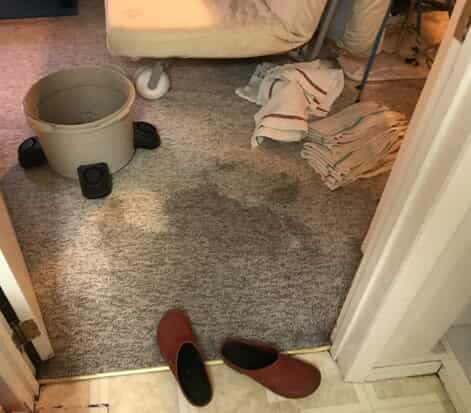
Lighthouse Point Carpet Cleaning After Water Damage from AC Condensation: Early Signs You Should Not Ignore
In Lighthouse Point, air conditioning systems run almost year-round to control heat and humidity. While these systems are essential, they can sometimes become a hidden source of water damage. When AC condensation lines clog or drain pans overflow, water may seep into flooring and carpeting. Because carpets absorb moisture quickly, water damage from AC condensation often goes unnoticed until odors, stains, or mold begin to appear. Understanding the early signs and the importance of proper carpet cleaning helps homeowners prevent long-term damage.
How AC Condensation Causes Carpet Water Damage
Air conditioning systems remove moisture from indoor air, and this water is normally carried away through a drain line. When the drain line becomes clogged or the system malfunctions, condensation may overflow and spread into surrounding areas.
Water from AC condensation often affects:
- Carpeting near air handler closets
- Carpet padding beneath the surface
- Subfloors and baseboards
- Adjacent drywall or trim
Because condensation leaks may occur slowly, moisture can remain trapped for days before being detected.
Why AC-Related Water Damage Is Common in Lighthouse Point
Homes in Lighthouse Point face environmental conditions that make condensation problems more likely:
- High humidity throughout most of the year
- Continuous operation of air conditioning systems
- Algae buildup in drain lines
- Older HVAC components in some homes
- Limited airflow in utility closets
These factors increase the chance that condensation may accumulate and spread into nearby flooring materials.
Early Signs Homeowners Should Not Ignore
Carpet damage caused by AC condensation often begins with subtle warning signs. Homeowners may notice:
- A musty or damp smell in certain rooms
- Carpet that feels slightly damp or cool
- Discoloration or darkening of carpet fibers
- Increased humidity indoors
- Warping of nearby baseboards
Ignoring these early signs can allow moisture to spread deeper into padding and subfloors.
Hidden Areas Where Moisture Collects
Carpets often hide moisture beneath the surface, making water damage difficult to detect. Inspectors in Lighthouse Point frequently find trapped moisture in:
- Carpet padding beneath the surface
- Subfloors made of wood or concrete
- Corners of rooms where airflow is limited
- Areas beneath heavy furniture
- Edges of carpet near walls
Because these areas dry slowly, moisture can remain long enough for mold to develop if not treated.
Why DIY Carpet Drying Often Fails
Some homeowners attempt to dry carpets using fans or household cleaning machines. While these methods may improve the surface appearance, they often fail to remove moisture deep within the padding and subfloor.
DIY drying often falls short because:
- Household fans do not remove deep moisture
- Humidity levels are not controlled
- Carpet padding remains damp
- Mold growth may begin before drying is complete
Professional cleaning and drying equipment is designed to remove moisture from all affected layers.
Professional Inspection and Carpet Cleaning Process
A professional carpet cleaning and drying process typically begins with a thorough inspection. In Lighthouse Point homes, technicians often:
- Identify the source of condensation and stop the leak
- Measure moisture levels in carpets and subfloors
- Extract water using high-powered equipment
- Lift carpets when necessary to dry padding and subfloors
- Use air movers and dehumidifiers to complete drying
Pompano Mold Inspection and Testing frequently evaluates moisture conditions in carpets and surrounding materials in Lighthouse Point and nearby Broward County communities, helping homeowners determine the proper steps for cleaning and drying.
Mold Removal and Remediation Considerations
If carpets remain damp for an extended period, mold growth may begin. When mold is present, remediation may involve:
- Removing contaminated padding
- Cleaning and sanitizing subfloors
- Drying structural materials thoroughly
- Monitoring humidity levels
Addressing moisture quickly is essential to prevent mold from spreading.
Flood Restoration and Water Damage Repair
Although AC condensation leaks may start small, prolonged moisture can cause damage similar to minor flooding. Restoration may include:
- Water extraction
- Structural drying
- Replacement of damaged materials
- Repair of drywall or baseboards
These steps help ensure the area is fully restored and protected from future damage.
Air Ducts, AC Systems, and Humidity Control
Air conditioning systems play a major role in indoor moisture levels. When condensation leaks occur, the system may also contribute to increased humidity in surrounding areas.
HVAC-related issues that can affect carpets include:
- Clogged drain lines
- Dirty air filters reducing airflow
- Condensation forming on ducts
- Improper system maintenance
Routine maintenance helps prevent condensation problems and keeps humidity levels stable.
How to Prevent Carpet Damage from AC Condensation
Homeowners in Lighthouse Point can reduce the risk of condensation-related carpet damage by taking practical steps:
- Inspect AC drain lines regularly
- Schedule routine HVAC maintenance
- Replace air filters regularly
- Check air handler closets for moisture
- Use dehumidifiers when indoor humidity rises
Early detection and maintenance are the most effective ways to prevent water damage.
Why Local Experience Matters
Moisture problems in coastal Florida behave differently than in cooler climates. Professionals familiar with Lighthouse Point understand:
- How humidity affects carpet drying times
- Common HVAC layouts in Broward County homes
- Typical condensation issues in coastal environments
This experience helps inspections and repairs be more accurate and effective.
A Practical Next Step for Homeowners
Carpet cleaning after water damage from AC condensation is essential to prevent mold growth, odors, and structural damage. Recognizing early warning signs and responding quickly helps protect flooring, subfloors, and indoor air quality.
With proper inspection, drying, and preventive maintenance, homeowners in Lighthouse Point can keep their homes dry, comfortable, and protected from moisture-related problems year-round.