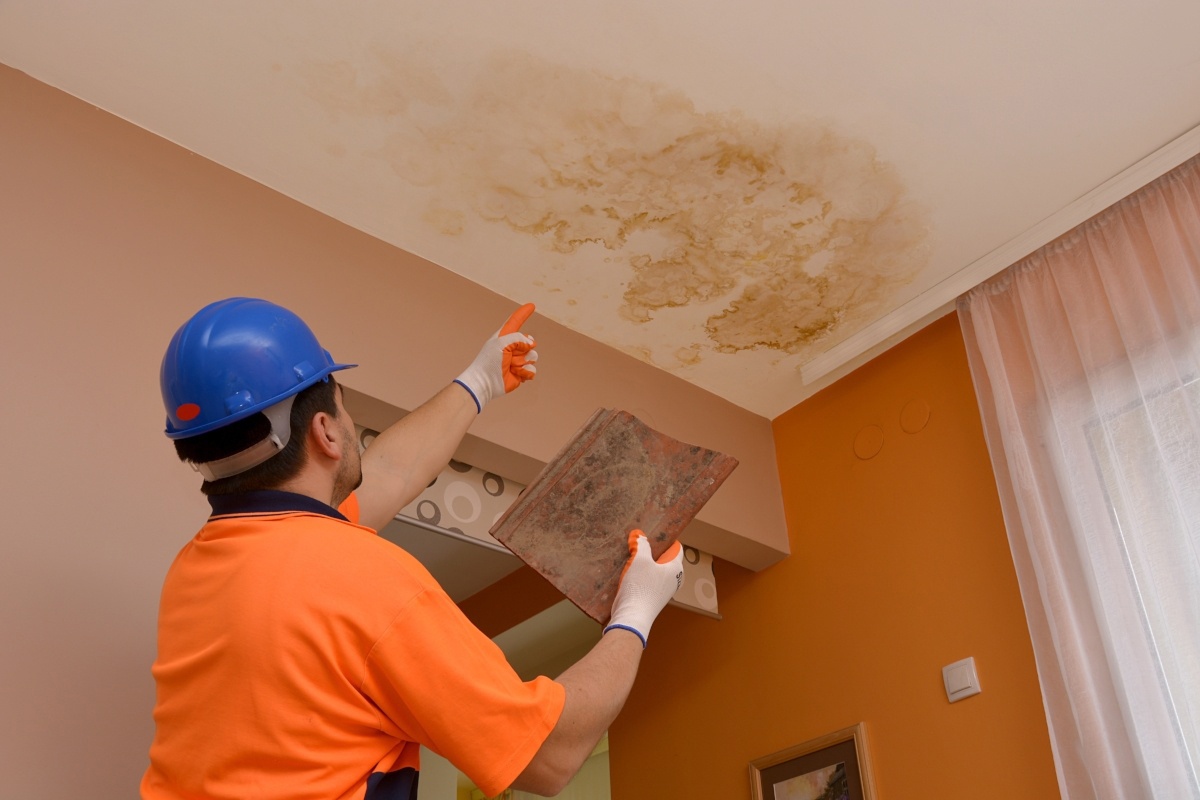
Lighthouse Point Moisture Detection After Storm Damage: Common Causes and Solutions
Storms are a frequent occurrence in Lighthouse Point, and while many homes appear unaffected once the rain stops, moisture often remains trapped in walls, ceilings, and flooring. Hidden moisture can quietly lead to mold growth, structural deterioration, and indoor air quality problems if it is not detected early.
Moisture detection after storm damage is one of the most important steps homeowners and property managers can take to protect their property. Understanding the causes of moisture intrusion and the solutions available helps prevent long-term damage and costly repairs.
What Moisture Detection Is
Moisture detection is the process of identifying water that has entered building materials, even when it is not visible. After a storm, water may seep into areas that take days or weeks to dry naturally.
Professional moisture detection often includes:
- Measuring moisture levels in walls and flooring
- Checking ceilings and attic spaces
- Inspecting duct systems and HVAC equipment
- Evaluating humidity levels throughout the home
This process helps locate hidden moisture before mold or structural damage develops.
Why Storm Damage Often Leads to Hidden Moisture
Storms can affect multiple parts of a home at once. In Lighthouse Point, heavy rain and strong winds commonly cause:
- Roof leaks or flashing damage
- Water intrusion around windows and doors
- Saturated attic insulation
- Overflowing gutters and drainage issues
- Minor foundation seepage
Even small amounts of water can travel through building materials and collect in hidden areas, making detection essential.
Why Homes in Lighthouse Point Are Especially Vulnerable
Coastal conditions increase the likelihood of moisture problems. Homes in Lighthouse Point and nearby areas like Pompano Beach, Deerfield Beach, and Lauderdale-by-the-Sea face:
- High year-round humidity
- Warm temperatures that slow drying
- Frequent storms and heavy rainfall
- Air conditioning systems that circulate humid air
These conditions allow moisture to remain trapped longer than in drier climates.
Common Signs of Hidden Moisture After a Storm
Homeowners may notice early warning signs that moisture is present, including:
- Musty or damp odors
- Water stains on ceilings or walls
- Peeling paint or bubbling drywall
- Warped flooring or baseboards
- Increased indoor humidity
Sometimes these symptoms appear gradually, especially when moisture is hidden behind surfaces.
Hidden Areas Where Moisture Often Accumulates
Storm-related moisture frequently collects in areas that are not easily visible. These include:
- Attic insulation and roof decking
- Inside wall cavities
- Beneath carpets or wood flooring
- Around window frames
- Inside air ducts
Because these areas are rarely inspected, moisture can remain long enough for mold growth to begin.
Why DIY Moisture Detection Is Difficult
Many homeowners try to locate moisture by looking for visible water or using household humidity meters. While these methods can help identify obvious problems, they rarely detect hidden moisture.
DIY detection can be challenging because:
- Moisture spreads beyond the entry point
- Drywall and insulation can hold water without visible signs
- Hidden leaks may occur behind walls or ceilings
- Air humidity readings alone do not reveal structural moisture
Professional equipment allows technicians to detect moisture accurately and quickly.
Professional Moisture Detection Process
A professional inspection typically follows a structured approach to ensure all affected areas are identified.
Step 1: Visual Inspection
Technicians examine ceilings, walls, attic areas, and other locations where storm water may have entered.
Step 2: Moisture Mapping
Moisture meters are used to determine how far water has spread within materials.
Step 3: Thermal Imaging
Infrared cameras detect temperature differences that indicate trapped moisture behind surfaces.
Step 4: Source Identification
The entry point of water is located so repairs can prevent future intrusion.
Companies such as Pompano Mold Inspection and Testing often perform these inspections in Lighthouse Point to help property owners detect moisture early and prevent mold growth.
Common Causes of Moisture After Storm Damage
Understanding the causes of moisture problems helps homeowners address the issue effectively.
Roof Leaks
Damaged shingles, flashing, or vents can allow rainwater to enter attic spaces and ceilings.
Window and Door Seepage
Wind-driven rain can enter through small gaps in frames or deteriorated seals.
Clogged Gutters and Drainage
Overflowing gutters can direct water toward walls and foundations.
HVAC and Duct Condensation
Storm-related humidity can increase condensation inside air ducts and air handlers.
Minor Foundation Seepage
Heavy rain can allow water to enter basements or ground-level areas through small cracks.
Solutions for Moisture Problems
Once moisture is detected, several solutions help restore safe indoor conditions.
Structural Drying
Air movers and dehumidifiers remove moisture from walls, floors, and ceilings.
Leak Repairs
Roof, window, or plumbing issues are repaired to prevent additional water intrusion.
Dehumidification
Reducing indoor humidity helps materials dry faster and prevents mold growth.
Cleaning and Sanitizing
Affected surfaces are cleaned to remove contaminants and odors.
These steps ensure that moisture is fully addressed rather than temporarily hidden.
Flood Restoration and Water Damage Repair
If storm damage causes significant water intrusion, restoration work may be necessary. This process may include:
- Water extraction
- Removal of damaged drywall or insulation
- Drying structural components
- Repairing flooring or ceilings
Proper restoration helps prevent long-term structural damage and mold growth.
Air Ducts, AC Systems, and Moisture After Storms
Air conditioning systems often contribute to moisture problems after storms. Increased humidity can cause condensation inside ducts or air handlers.
Signs of HVAC-related moisture problems include:
- Musty odors when the AC runs
- Condensation near vents
- Uneven cooling
Inspecting and cleaning duct systems helps restore indoor air quality and prevent mold spread.
How Moisture Detection Saves Money
One of the biggest benefits of moisture detection is preventing major repairs. Small leaks and hidden damp areas can lead to:
- Mold remediation
- Structural wood damage
- Insulation replacement
- Ceiling and drywall repairs
Identifying moisture early allows these problems to be addressed before they escalate.
Preventing Moisture Problems After Storms
Homeowners in Lighthouse Point can reduce future risks by taking preventative steps:
- Inspect roofs and gutters regularly
- Seal windows and exterior openings
- Maintain HVAC systems
- Monitor indoor humidity levels
- Schedule periodic moisture inspections
Routine maintenance helps detect small issues before they become serious.
Why Local Experience Matters
Moisture problems in coastal environments require specialized knowledge. Professionals familiar with Lighthouse Point understand:
- Storm patterns and water intrusion points
- Humidity effects on building materials
- Construction methods common in Broward County
- Proper drying techniques for humid climates
This experience helps ensure inspections and repairs are effective.
A Practical Next Step for Property Owners
After a storm, even small signs of moisture should not be ignored. Early moisture detection helps prevent mold growth, protects structural materials, and maintains healthy indoor air quality.
Homeowners and property managers in Lighthouse Point often rely on experienced local providers such as Pompano Mold Inspection and Testing to locate hidden moisture, perform thorough inspections, and restore homes safely after storm damage. Taking action early helps prevent costly repairs and keeps homes comfortable year-round.