

Lighthouse Point Water Removal in Humid Florida Summers: How to Prevent Future Damage
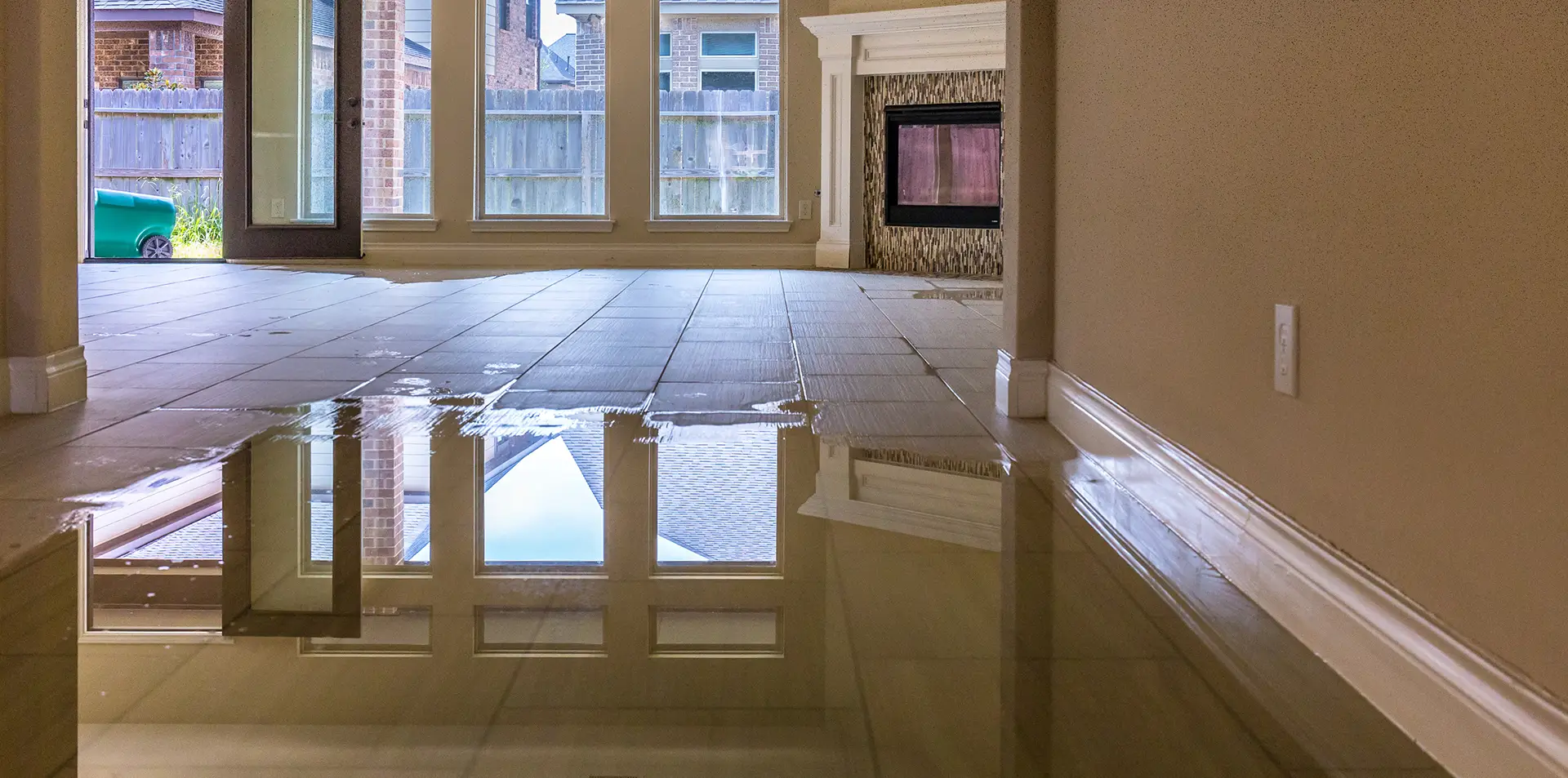
Summer in Lighthouse Point brings intense humidity, frequent rainstorms, and near-constant air conditioning use. When water enters a home during this season, it behaves differently than it would in cooler or drier climates. Moisture spreads faster, dries slower, and causes more secondary damage if not handled correctly.
Water removal in humid Florida summers is not just about extracting visible water. Preventing future damage requires understanding how moisture lingers, where it hides, and what steps actually stop problems from coming back in Lighthouse Point homes.
Why Summer Water Damage Is More Challenging in Lighthouse Point
High humidity is the biggest challenge. Even after standing water is removed, the air itself holds a large amount of moisture, slowing evaporation from walls, floors, and furnishings.
Frequent summer storms can reintroduce water before previous moisture has fully dried. Coastal weather patterns often mean repeated rain events within short periods.
Air conditioning systems run continuously to manage heat and humidity. If AC drainage or airflow is compromised, systems can add moisture instead of removing it.
Together, these factors make summer water damage harder to fully resolve without a structured approach.
Common Causes of Water Intrusion During Summer Months
Storm-related water intrusion is one of the most common causes. Wind-driven rain can enter through roofs, windows, doors, and exterior wall penetrations.
Plumbing leaks often worsen in summer due to increased water usage and pressure. Slow leaks behind walls or under slabs can go unnoticed until damage spreads.
AC condensation issues are especially common. Clogged drain lines, cracked drain pans, and sweating ducts release water into ceilings, walls, and floors.
Groundwater saturation after heavy rain can also allow moisture to migrate beneath slab foundations and into flooring systems.
Early Warning Signs of Summer Water Damage
A musty or damp odor that lingers after rain is often the first sign. This smell may become stronger when the AC runs.
Discoloration on walls or ceilings, including faint stains, can indicate water intrusion that occurred days earlier.
Floors may feel slightly soft, warped, or uneven, especially near exterior walls or bathrooms.
Condensation on vents, windows, or baseboards can signal elevated indoor humidity or hidden moisture.
Addressing these signs early helps prevent deeper damage.
Where Water Commonly Hides in Lighthouse Point Homes
Water rarely stays where it enters. In Lighthouse Point homes, moisture often spreads into wall cavities near windows and exterior walls.
Under flooring is another major concern. Tile, vinyl, and carpet can conceal moisture pressed against slab foundations.
Attics frequently hold moisture after storms. Wet insulation dries slowly and continues affecting indoor conditions.
HVAC systems may also be affected if water enters near air handlers or ductwork, allowing moisture to circulate throughout the home.
These hidden areas require proper detection and drying.
Why Quick Water Removal Is Critical in Humid Summers
The longer water remains, the more damage it causes. In humid conditions, materials absorb moisture quickly and release it slowly.
Delayed water removal increases the risk of odors, material breakdown, and secondary damage.
Prompt extraction limits how far water spreads and reduces the time materials remain wet, which is essential in summer conditions.
How Professional Water Removal Works in Summer Conditions
Water removal begins with a detailed assessment to identify visible and hidden moisture. Moisture detection tools help locate affected areas inside walls, floors, and ceilings.
Standing water is extracted using professional equipment. Drying equipment is then placed strategically to overcome high humidity.
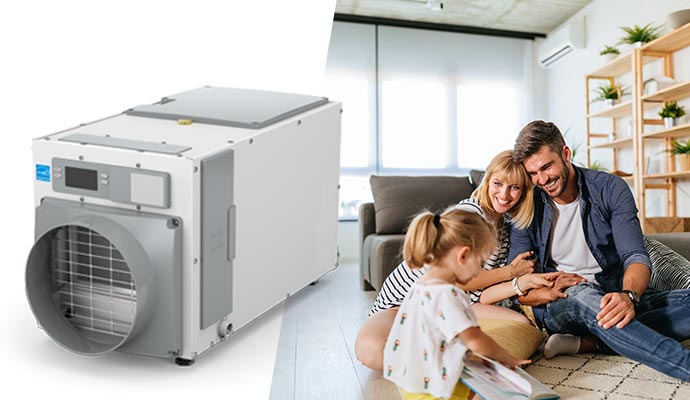
Dehumidifiers are critical during summer. They remove moisture from the air, allowing building materials to dry more effectively.
Moisture levels are monitored throughout the process to confirm drying is complete before repairs or reassembly.
Pompano Mold Inspection and Testing provides water removal services in Lighthouse Point and surrounding Broward County communities with experience handling humid summer conditions.
Why DIY Drying Often Falls Short
Household fans and basic dehumidifiers may dry surfaces but rarely remove moisture trapped inside materials.
In high humidity, improper drying can leave moisture active behind walls or under floors even when areas appear dry.
Without moisture monitoring, homeowners may assume drying is complete too early, leading to recurring problems.
Professional drying is designed to address both air moisture and material moisture together.
Preventing Future Water Damage After Removal
Preventing future damage starts with correcting the water source. Roof repairs, plumbing fixes, and AC drainage corrections must be completed before drying is considered finished.
Improving ventilation helps reduce indoor humidity and supports drying after storms.
Maintaining AC systems is essential. Clear drain lines, intact insulation, and balanced airflow reduce condensation-related water issues.
After storms, inspections help catch new moisture early before it spreads.
The Role of AC Systems in Summer Moisture Control
Air conditioning systems are central to moisture control, but they must function correctly.
Clogged drain lines, poor airflow, and duct insulation failures increase condensation risk.
Regular AC maintenance helps systems remove humidity effectively instead of contributing to moisture problems.
In summer, AC-related water issues are one of the most common causes of repeat damage.
How Water Removal Helps Prevent Mold
Moisture is the primary driver of mold growth. Summer conditions allow mold to develop quickly if water remains.
Thorough water removal and drying eliminate the environment mold needs to grow.
By removing moisture early and completely, homeowners significantly reduce the risk of mold-related problems.
Practical Prevention Tips for Homeowners
Inspect roofs, windows, and exterior seals before and during summer storm season.
Address plumbing leaks immediately, no matter how small they seem.
Schedule regular AC maintenance to prevent condensation and drainage issues.
After heavy rain, check ceilings, floors, and attics for early signs of moisture.
Avoid sealing or repairing areas until moisture levels are confirmed dry.
Consider periodic professional moisture inspections during the summer months.
Why Local Experience Matters in Lighthouse Point
Water behavior varies by location. Lighthouse Point homes face specific challenges related to coastal exposure, humidity, and storm patterns.
Professionals with local experience understand where water typically enters homes and how it spreads in these conditions.
Pompano Mold Inspection and Testing brings this local understanding to Lighthouse Point, Deerfield Beach, Fort Lauderdale, Pompano Beach, and surrounding Broward County areas.
A Practical Path to Preventing Future Damage
In humid Florida summers, water removal must be thorough and strategic. Removing visible water is only the first step.
By combining proper water removal, controlled drying, moisture detection, and preventive maintenance, homeowners can protect Lighthouse Point homes from recurring damage.
Taking a proactive, informed approach is the most effective way to prevent future water-related problems during Florida’s most challenging season.
