

Margate Indoor Air Quality Improvement from AC Condensation: Early Signs You Should Not Ignore
Air conditioning systems run almost nonstop in Margate, especially during long stretches of heat and humidity. While AC keeps homes comfortable, it also produces condensation as part of normal operation. When that condensation is not managed properly, it can lead to moisture problems that quietly affect indoor air quality. Many homeowners do not realize that poor indoor air quality often starts with something as simple as AC condensation.
In South Florida homes, indoor air quality improvement is closely tied to moisture control. Recognizing early signs of AC condensation problems helps prevent long-term damage and ongoing indoor air issues.
Why AC Condensation Is a Common Problem in Margate Homes
Margate’s climate creates ideal conditions for condensation. Warm, humid air passing over cold AC components naturally produces moisture. Normally, this condensation drains away safely through the system.
Problems arise when drain lines clog, drain pans crack, insulation deteriorates, or airflow becomes restricted. Condensation then overflows or forms in areas where it should not, such as ceilings, walls, ductwork, and attics.
Nearby areas like Coconut Creek, North Lauderdale, and Pompano Beach face similar challenges, but year-round AC use makes condensation-related issues especially persistent in Margate homes.
How AC Condensation Affects Indoor Air Quality
When condensation escapes the AC system, it introduces excess moisture into the home. Elevated moisture levels affect indoor air quality by allowing particles, odors, and moisture-related contaminants to linger.
Damp surfaces inside walls, ceilings, or duct systems can hold moisture for long periods. This creates conditions where musty odors develop and indoor air feels heavy or stale.
Over time, unmanaged condensation contributes to poor airflow, inconsistent temperatures, and uncomfortable indoor conditions.
Early Signs of AC Condensation Problems
AC condensation problems often begin subtly. One of the earliest signs homeowners notice is a musty or damp smell when the AC runs. This odor usually indicates moisture collecting where it should not.
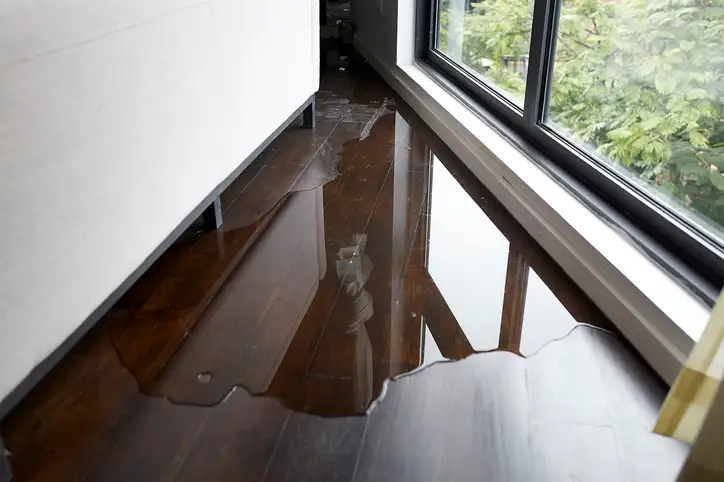
Water stains on ceilings or walls near air handlers, vents, or duct runs are another warning sign. These stains may appear light at first and darken over time as moisture continues.
Homeowners may also notice increased indoor humidity, condensation on vents, or rooms that feel damp despite normal cooling. These signs should not be ignored.
Hidden Moisture from AC Condensation
One of the biggest risks of AC condensation issues is hidden moisture. Water can accumulate behind drywall, above ceilings, or inside duct insulation without visible signs.
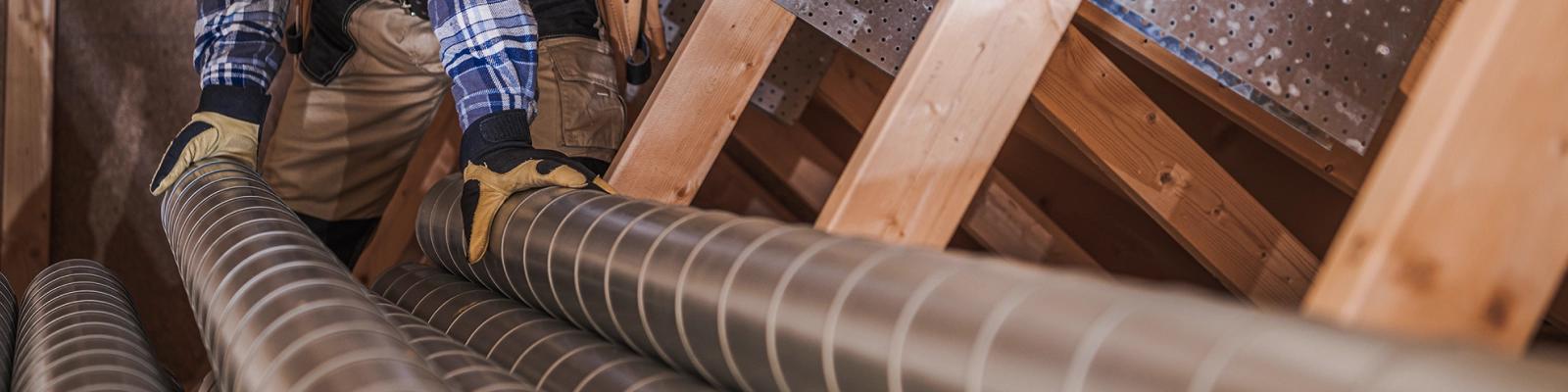
Attics are especially vulnerable. Condensation from poorly insulated ducts or overflowing drain pans can drip onto insulation and framing. Because attics are rarely visited, moisture may remain there for weeks.
Hidden moisture continues to affect indoor air quality even when visible signs are minimal.
Impact on Duct Systems and Airflow
AC condensation often affects duct systems directly. When condensation forms inside or on ducts, dust and debris stick to damp surfaces instead of moving through the system.
This buildup restricts airflow and allows moisture-related odors to circulate through the home. Over time, ducts become less efficient and contribute to uneven cooling.
Duct moisture also increases the risk of mold developing inside the system, which further affects indoor air quality.
Why Ignoring Condensation Makes Indoor Air Quality Worse
When condensation issues are ignored, moisture continues to build up inside the home. Indoor humidity rises, and the AC system works harder to maintain comfort.
Poor airflow, damp materials, and trapped moisture all contribute to stale air and persistent odors. Homeowners may find themselves cleaning more often without seeing improvement.
Without addressing the moisture source, indoor air quality rarely improves on its own.
Role of Moisture Detection in Identifying Problems
Moisture detection plays a key role in identifying condensation-related issues. Moisture meters and thermal imaging help locate damp areas inside walls, ceilings, and duct systems.
In Margate homes, moisture detection often reveals condensation problems long before visible damage appears. Early detection allows targeted repairs and drying before indoor air quality declines further.
Moisture awareness is essential for maintaining healthier indoor conditions.
AC Components Commonly Involved in Condensation Issues
Several AC components are frequently involved in condensation problems. Clogged condensate drain lines prevent water from draining properly, causing overflow.
Damaged or rusted drain pans allow water to leak into ceilings or walls. Poorly insulated ductwork causes condensation to form along duct surfaces, especially in hot attics.
Restricted airflow from dirty filters or coils also increases condensation by lowering temperatures inside the system.
Connection Between Condensation and Mold Risk
Excess moisture from AC condensation creates ideal conditions for mold growth. Mold often develops in hidden areas such as inside duct insulation, behind drywall, or above ceilings.
While mold is not always immediately visible, its presence often affects indoor air quality through persistent odors and discomfort.
Addressing condensation early significantly reduces mold risk and supports healthier indoor environments.
Indoor Air Quality Improvement through Proper Repairs
Improving indoor air quality begins with correcting condensation issues. Clearing drain lines, repairing or replacing drain pans, and improving duct insulation help control moisture.
Proper airflow through regular AC maintenance reduces condensation buildup. Drying affected materials and cleaning ducts when needed further improve air circulation.
When moisture is controlled, indoor air quality often improves naturally as odors dissipate and humidity stabilizes.
Importance of Air Duct Cleaning when Condensation Is Present
When condensation affects duct systems, air duct cleaning may be necessary. Cleaning removes moisture-laden dust and debris that contribute to odors and airflow issues.
Duct cleaning is most effective when combined with moisture control. Cleaning without addressing condensation allows buildup to return quickly.
In Margate homes, this combined approach supports longer-lasting indoor air quality improvement.
Preventing Future Condensation Problems
Prevention starts with regular AC maintenance. Replacing filters, clearing drain lines, and inspecting drain pans reduce the risk of overflow.
Improving duct insulation and sealing duct connections helps prevent condensation in attics and ceilings. Monitoring indoor humidity levels provides early warning when moisture is rising.
After heavy rain or long periods of AC use, inspecting high-risk areas helps catch problems early.
Why Local Experience Matters
Indoor air quality improvement from AC condensation in Margate requires local knowledge. Florida’s humidity, residential construction styles, and HVAC usage patterns all influence how condensation behaves inside homes. Local experience helps identify common trouble spots and apply solutions suited to Broward County conditions.
Pompano Mold Inspection and Testing brings that local expertise to moisture detection, indoor air quality improvement, air duct cleaning, AC moisture-related services, and mold inspection throughout Margate, Coconut Creek, North Lauderdale, Pompano Beach, Fort Lauderdale, Lighthouse Point, Deerfield Beach, and surrounding Broward County communities.
Do Not Ignore the Early Signs
AC condensation problems rarely fix themselves. Early warning signs are the home’s way of signaling that moisture is affecting indoor conditions. By recognizing these signs and addressing condensation early, Margate homeowners can improve indoor air quality, protect building materials, and prevent more serious moisture-related problems. In a humid climate, managing AC condensation is one of the most effective ways to maintain a healthier and more comfortable home.
