Margate Moisture Detection from AC Condensation: Professional Insights
Air-conditioning systems are essential in Margate homes, especially during long, humid summers. While AC units are designed to remove moisture from indoor air, they also produce condensation as part of normal operation. When that condensation does not drain properly, moisture can accumulate in walls, ceilings, flooring, or HVAC components, sometimes without immediate warning.
Moisture detection is an important step in identifying hidden dampness caused by AC condensation. Early detection helps homeowners and property managers prevent structural damage, reduce the risk of mold growth, and maintain comfortable indoor conditions.
How AC Condensation Leads to Moisture Problems
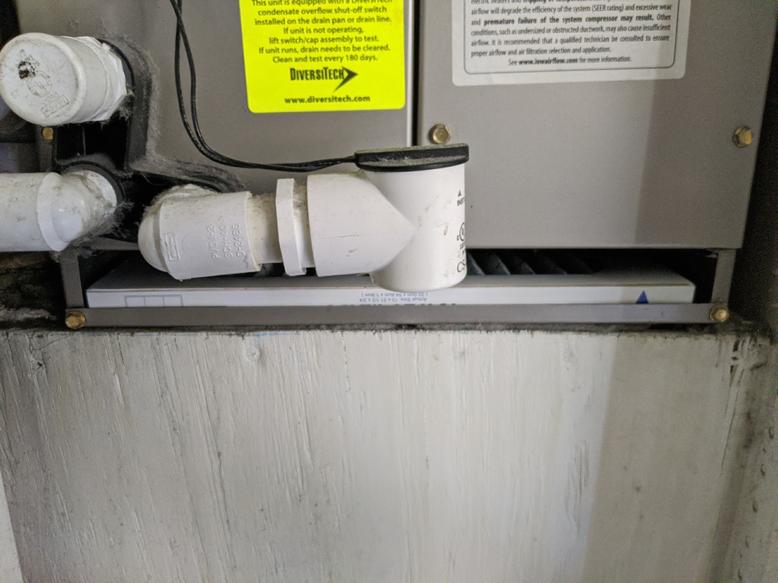
Air conditioners cool air by passing it over cold evaporator coils. As warm air contacts the coils, moisture condenses into water and drains through a condensate line. When any part of this system fails or becomes restricted, moisture may accumulate where it shouldn’t.
Common situations that lead to moisture buildup include:
- Clogged condensate drain lines
- Overflowing drain pans
- Poor duct insulation
- Frozen evaporator coils that later thaw
- High indoor humidity overwhelming the system
These problems often begin gradually, which is why moisture detection is so valuable.
Why AC-Related Moisture Is Common in Margate
Homes in Margate and nearby communities such as Coconut Creek, Deerfield Beach, and North Lauderdale face environmental conditions that increase the likelihood of condensation-related moisture issues.
High Humidity Year-Round
South Florida’s humidity means AC systems run frequently and produce large amounts of condensation.
Continuous System Operation
Air conditioners often run for long periods, increasing wear on drain lines and components.
Attic and Duct Conditions
Many ducts run through warm attic spaces, where temperature differences can create condensation on duct surfaces.
Seasonal Storms
After heavy rain, humidity levels rise, making condensation problems more likely.
Because of these factors, periodic inspection and moisture detection are especially important in this region.
Early Signs of Moisture from AC Condensation
Moisture problems often appear gradually, and early signs may be subtle.
Homeowners should watch for:
- Musty or damp odors near vents or air handlers
- Water stains on ceilings or walls
- Condensation near vents
- Warped baseboards or flooring
- Increased indoor humidity
- Reduced cooling efficiency
These warning signs often indicate that moisture is accumulating somewhere in the system or structure.
Hidden Areas Where Condensation Damage Often Occurs
One of the biggest challenges with AC-related moisture is that damage frequently develops in concealed areas.
Inside Wall Cavities
Condensation from ducts or air handlers can dampen drywall and insulation.
Attics
Poorly insulated ducts in attic spaces often develop condensation that drips onto insulation or ceilings.
Air Ducts
Moisture inside ducts may contribute to odors or mold growth over time.
Utility Closets
Air handlers located in closets may leak slowly, allowing moisture to spread to surrounding materials.
Professional moisture detection helps locate these hidden areas before damage becomes extensive.
Why DIY Moisture Detection Often Misses the Problem
Some homeowners rely on visual inspection alone, but condensation problems are not always visible.
DIY detection may miss:
- Moisture inside walls
- Damp insulation in attic spaces
- Hidden condensation in ducts
- Early-stage water damage beneath flooring
Without specialized tools, it is difficult to identify hidden moisture accurately.
How Professional Moisture Detection Works
Professional moisture detection involves using specialized equipment to locate damp areas and determine the source of moisture.
A typical detection process may include:
- Inspecting HVAC systems and air handlers
- Measuring moisture levels in walls, ceilings, and flooring
- Checking ducts and attic insulation
- Evaluating humidity levels indoors
- Identifying drainage or ventilation issues
Experienced local providers such as Pompano Mold Inspection and Testing understand how humidity and AC systems interact in Broward County homes, helping ensure accurate results.
Common Repairs After AC Moisture Is Detected
Once moisture is identified, corrective steps may be recommended to prevent further damage.
Typical solutions may include:
- Clearing or repairing condensate drain lines
- Repairing or replacing drain pans
- Improving duct insulation
- Drying affected materials
- Repairing damaged drywall or flooring
Addressing both the moisture and its source is essential for long-term results.
Mold Risks Associated with AC Condensation
Moisture from condensation can create conditions where mold develops, particularly in ducts, insulation, or wall cavities. Mold often begins in hidden areas where airflow is limited and moisture persists.
Preventive steps include:
- Prompt drying of damp materials
- Maintaining HVAC systems regularly
- Monitoring indoor humidity
- Scheduling periodic inspections
Homes in Fort Lauderdale and Lighthouse Point with ongoing condensation problems sometimes require both moisture detection and mold remediation to fully restore indoor conditions.
The Role of Air Duct Cleaning and HVAC Maintenance
Routine maintenance helps prevent condensation-related moisture problems.
Important maintenance steps include:
- Replacing air filters regularly
- Inspecting and cleaning drain lines
- Checking duct insulation
- Servicing evaporator coils
- Ensuring proper airflow
These measures help keep HVAC systems functioning efficiently and reduce the risk of moisture buildup.
How Homeowners Can Prevent Future Condensation Issues
Preventive maintenance is one of the most effective ways to avoid moisture damage.
Homeowners in Margate can reduce risk by:
- Scheduling annual HVAC inspections
- Keeping drain lines clear
- Monitoring indoor humidity levels
- Checking attics and ceilings for signs of moisture
- Addressing leaks or condensation promptly
Property managers in Coconut Creek and Deerfield Beach often include HVAC inspections in seasonal maintenance routines to catch problems early.
Why Local Experience Matters
Moisture detection in coastal Florida requires an understanding of regional climate and construction patterns. High humidity, warm temperatures, and extended AC use all influence how condensation forms and spreads.
Professionals familiar with Margate homes understand:
- Typical attic and duct condensation patterns
- Common drainage issues in local HVAC systems
- Drying challenges in humid environments
- Moisture behavior in slab foundation homes
This experience helps ensure thorough inspections and effective solutions.
A Calm, Practical Next Step
AC condensation problems often begin small but can lead to larger repairs if ignored. Paying attention to early warning signs—such as odors, stains, or humidity changes—helps homeowners address issues before damage spreads.
Many homeowners in Margate and nearby communities schedule moisture detection and inspections with experienced local providers like Pompano Mold Inspection and Testing to ensure their HVAC systems and homes remain dry and well maintained.
Routine maintenance, proper drainage, and early detection remain the most reliable ways to prevent condensation-related moisture damage.