
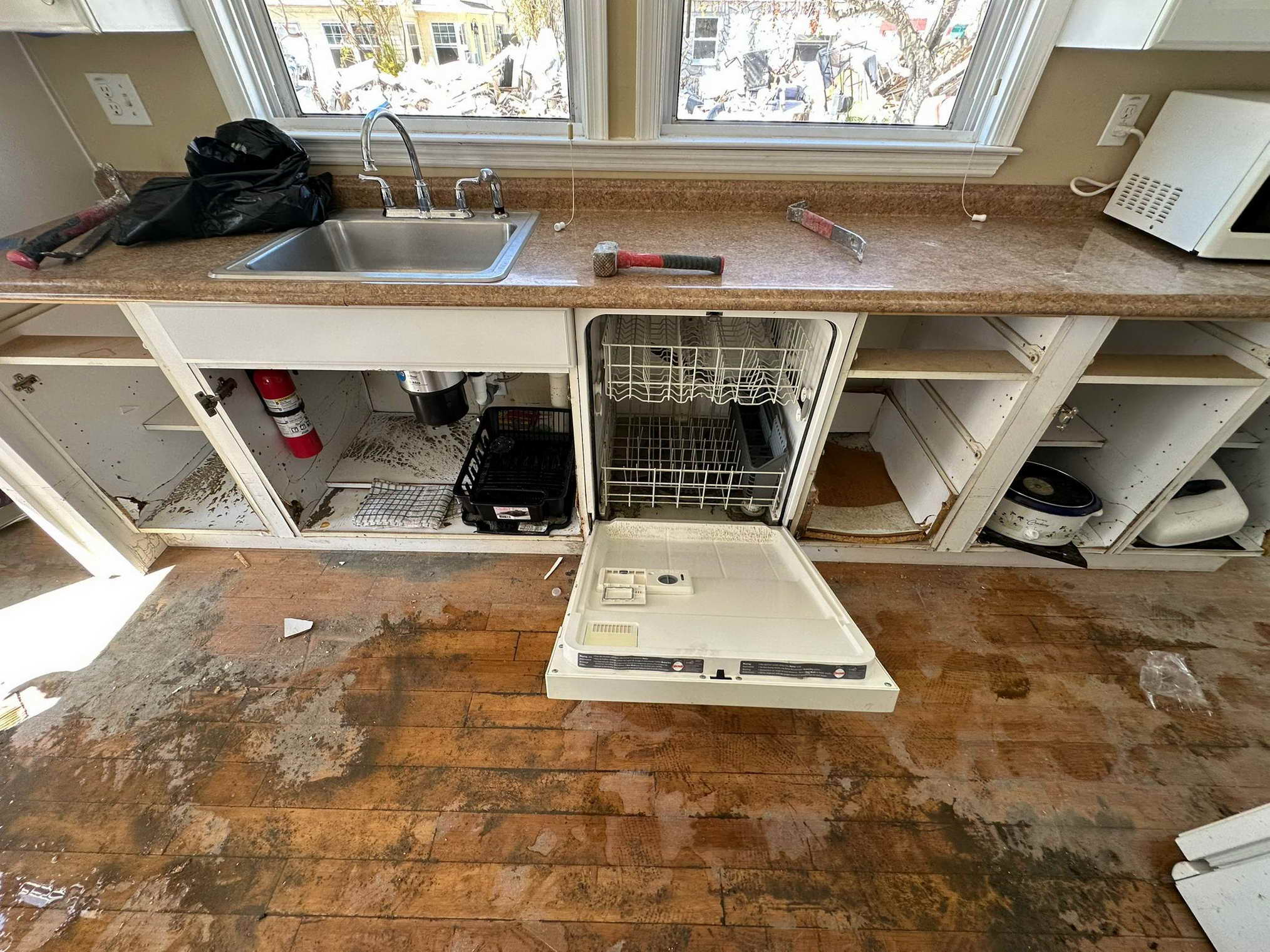
Margate Mold Inspection after Heavy Rain: Risks and Prevention Methods
Heavy rain is a fact of life in Margate, Florida. With intense storms, tropical weather systems, and high humidity levels, homes in this area are especially vulnerable to moisture intrusion. While water damage is often visible, mold growth frequently develops out of sight—behind walls, under flooring, in attics, and inside HVAC systems. This makes mold inspection after heavy rain one of the most important steps homeowners can take to protect their property, health, and long-term investment.
This guide explains why mold inspections matter after heavy rain in Margate, the risks of ignoring hidden moisture, and proven prevention methods that actually work in South Florida’s climate.
Why Heavy Rain Increases Mold Risk in Margate Homes
Mold thrives in warm, damp environments—and Margate provides ideal conditions. After heavy rainfall, moisture can enter homes in many ways, even without obvious flooding.
Common post-rain moisture sources include:
- Roof leaks or damaged shingles
- Water intrusion around windows and doors
- Poor drainage around foundations
- AC condensation and clogged drain lines
- Plumbing leaks triggered by pressure changes
- Saturated walls, insulation, and crawl spaces
Once moisture is trapped indoors, mold can begin growing within 24 to 48 hours. Because many affected areas are hidden, homeowners often don’t realize there’s a problem until mold has already spread.
Why Mold Often Goes Undetected After Heavy Rain
One of the biggest risks in Margate homes is hidden mold. Unlike burst pipes or visible flooding, rain-related moisture can travel silently through building materials.
Mold commonly grows in:
- Wall cavities behind drywall
- Ceiling spaces beneath roof leaks
- Attics with poor ventilation
- Under carpet padding and flooring
- Inside HVAC ducts and air handlers
- Behind cabinets and baseboards
By the time visible signs appear, mold growth is often widespread—making professional inspection critical after heavy rain events.
Health Risks of Mold Exposure
Mold isn’t just a property issue—it’s a health concern. Even low-level or hidden mold can negatively affect indoor air quality.
Potential health effects include:
- Persistent coughing or sneezing
- Nasal congestion and sinus irritation
- Eye, throat, and skin irritation
- Headaches and fatigue
- Asthma flare-ups
- Worsening allergy symptoms
Children, elderly individuals, and people with respiratory conditions are especially vulnerable. Mold inspections help identify airborne mold spores before health symptoms escalate.
Structural and Financial Risks of Ignoring Mold
Beyond health concerns, mold can cause serious damage to a home’s structure and value.
Long-term risks include:
- Rotting wood framing and subfloors
- Deterioration of drywall and insulation
- Compromised ceilings and roof supports
- Damage to flooring and cabinetry
- Reduced property value
- Expensive remediation and repair costs
What starts as a small moisture issue after heavy rain can turn into a major restoration project if left unchecked.
What a Professional Mold Inspection in Margate Involves
A professional mold inspection after heavy rain goes far beyond a simple visual check. It focuses on finding hidden moisture, identifying mold growth, and determining the root cause.
1. Visual Inspection
Inspectors examine:
- Walls, ceilings, and baseboards
- Attics and crawl spaces
- Bathrooms, kitchens, and laundry areas
- HVAC units, vents, and ductwork
- Areas previously exposed to water
They look for stains, discoloration, peeling paint, and other subtle indicators of moisture damage.
2. Moisture Detection and Humidity Testing
Advanced tools are used to locate moisture that cannot be seen:
- Moisture meters detect elevated moisture inside walls and floors
- Thermal imaging cameras reveal temperature differences caused by damp materials
- Humidity readings identify conditions that support mold growth
This step is crucial in Margate homes, where humidity often stays high even after rain stops.
3. Air Sampling and Mold Testing
Air testing measures the concentration of mold spores inside the home and compares it to outdoor air levels.
This helps determine:
- Whether mold is present even if not visible
- If spores are circulating through HVAC systems
- The severity of indoor air contamination
Air testing is especially valuable when poor ventilation or hidden mold is suspected.
4. Surface Sampling (When Needed)
If visible mold is present, inspectors may collect swab or tape samples to confirm mold type and extent. This helps guide proper remediation strategies.
5. Source Identification
A key part of mold inspection is identifying why mold developed. After heavy rain, this often includes:
- Roof or flashing failures
- Poor exterior sealing
- Drainage issues
- AC condensation problems
- Ventilation deficiencies
Without fixing the moisture source, mold will return—even after cleanup.
Why DIY Mold Checks Often Fail After Heavy Rain
Homeowners sometimes attempt DIY inspections or store-bought mold tests, but these methods have serious limitations.
DIY approaches often:
- Miss hidden mold behind walls or ceilings
- Fail to identify moisture sources
- Provide confusing or inaccurate results
- Don’t assess air quality properly
- Offer no guidance for prevention
Professional mold inspection provides clear answers, documentation, and a reliable plan forward.
Prevention Methods That Work in Margate Homes
Preventing mold after heavy rain requires both immediate action and long-term strategies tailored to South Florida conditions.
1. Inspect Your Home After Every Major Rainfall
Even if no flooding occurred, check:
- Ceilings and attic spaces
- Around windows and doors
- Baseboards and flooring
- AC units and drain lines
Early detection makes a big difference.
2. Control Indoor Humidity
Humidity control is essential in Margate.
Effective methods include:
- Maintaining indoor humidity between 45–55%
- Using dehumidifiers in moisture-prone areas
- Ensuring AC systems are properly sized and maintained
3. Improve Ventilation
Poor airflow traps moisture.
Focus on:
- Bathroom and kitchen exhaust fans
- Attic ventilation
- Airflow in closets and enclosed rooms
- Cleaning and maintaining air ducts
4. Address Water Intrusion Immediately
Repair:
- Roof leaks
- Window and door seal failures
- Cracks in exterior walls
- Drainage problems around the foundation
Delaying repairs allows moisture to linger and mold to spread.
5. Schedule Routine Mold Inspections
Annual or post-storm inspections are especially important for:
- Older homes
- Homes with previous water damage
- Rental properties
- Homes with poor ventilation
Regular inspections catch problems before they become expensive.
When Mold Inspection Is Especially Important After Heavy Rain
You should schedule a mold inspection in Margate if:
- Heavy rain or storms recently occurred
- You notice musty or damp odors
- Water stains appear on ceilings or walls
- Mold keeps returning after cleaning
- Indoor humidity feels consistently high
- Allergy symptoms worsen indoors
- The home has a history of leaks or moisture issues
Mold Inspection for Property Owners and Landlords
For landlords and property managers in Margate, mold inspection is also a liability issue. Undetected mold can lead to:
- Tenant complaints
- Health-related claims
- Code compliance issues
- Costly vacancy periods
Proactive inspections protect both tenants and property investments.
Long-Term Benefits of Professional Mold Inspection
Professional mold inspection after heavy rain provides:
- Early detection of hidden mold
- Protection of indoor air quality
- Reduced remediation and repair costs
- Clear documentation for insurance or property records
- Peace of mind during storm season
Final Thoughts
In Margate, heavy rain is unavoidable—but mold damage doesn’t have to be. Mold inspection after heavy rain is one of the most effective ways to protect your home from hidden moisture, health risks, and structural deterioration. By identifying mold early, correcting moisture sources, and implementing proven prevention methods, homeowners can maintain a safer, healthier living environment year-round.
If you’d like, I can also adapt this content into:
- SEO-optimized service pages
- Localized pages for nearby cities
- Blog content for restoration or inspection companies
- Property owner or landlord-focused guides
Just tell me how you’d like to use it.
