
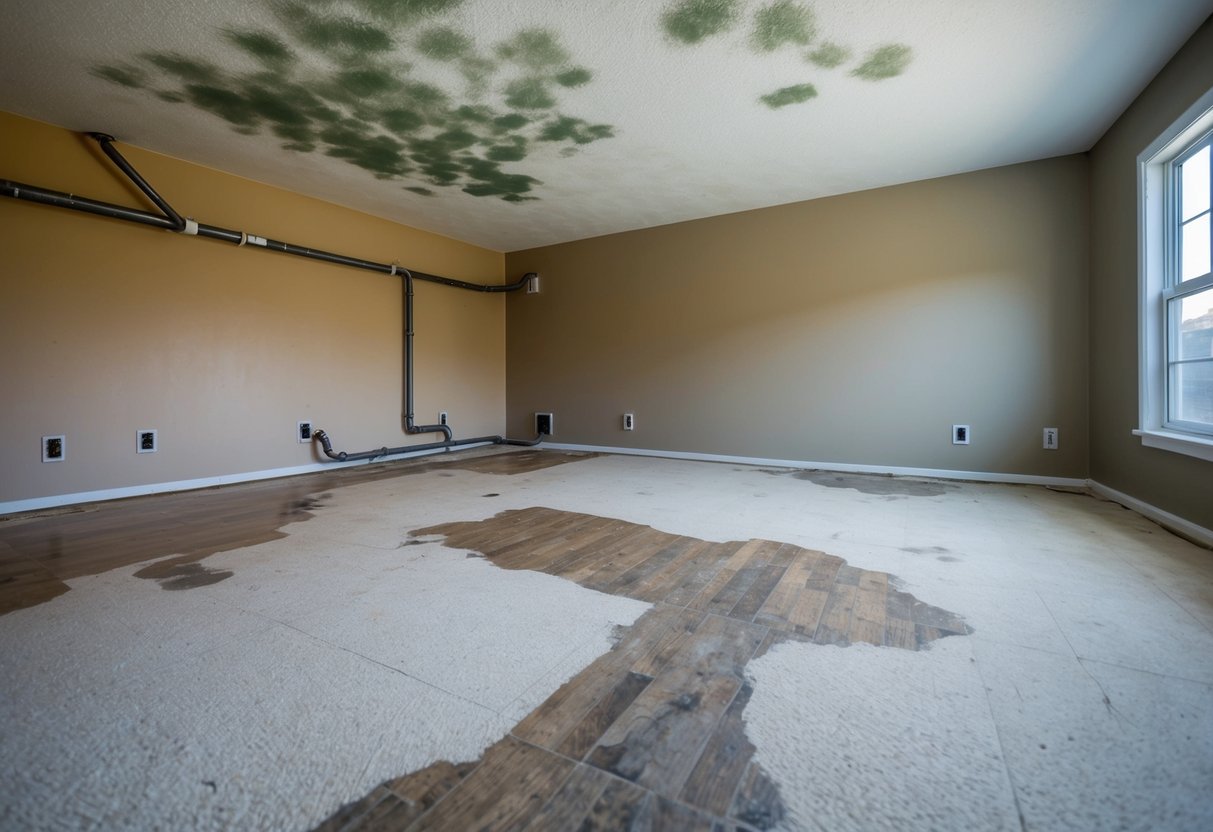
Margate Mold Inspection and Testing after Plumbing Leaks: Early Signs You Should Not Ignore
Plumbing leaks are one of the most common causes of mold problems in homes and rental properties throughout Margate. Many leaks start small and remain hidden behind walls, under cabinets, or beneath flooring, allowing moisture to build up quietly over time.
Homeowners often assume that once a leak is repaired, the problem is solved. However, moisture trapped inside walls and building materials can remain long after plumbing repairs are completed, creating ideal conditions for mold growth.
For property owners and managers in Margate and surrounding Broward County communities, understanding early mold warning signs after plumbing leaks helps prevent larger repair costs and indoor air quality concerns.
What Happens After a Plumbing Leak
When plumbing lines leak, water can spread into surrounding building materials. Even a slow drip behind a wall can soak insulation, drywall, and flooring materials over time.
Once materials remain damp for more than a day or two, mold can begin growing. Because this growth often happens inside walls or under surfaces, property owners may not see the problem until odors or visible damage appear.
Mold inspection and testing help determine whether moisture from past leaks has created hidden contamination.
Why Plumbing Leak Mold Problems Are Common in Margate
Margate homes share environmental conditions common across Pompano Beach, Coconut Creek, North Lauderdale, and Deerfield Beach. Warm temperatures and high humidity accelerate mold growth when water intrusion occurs.
Several factors increase mold risk after leaks:
• High humidity slowing drying time
• Older plumbing systems prone to failure
• Slab foundations hiding pipe leaks
• AC systems adding indoor moisture
• Poor ventilation in kitchens and bathrooms
• Tenant delays in reporting leaks
Even minor plumbing issues can create major moisture problems if not addressed quickly.
Early Warning Signs Homeowners Should Not Ignore
After plumbing leaks, mold often develops gradually. Early signs are easy to overlook but important to catch quickly.
Common warning signs include:
• Musty odors in rooms or cabinets
• Stains appearing on walls or ceilings
• Peeling paint or bubbling drywall
• Warped or soft flooring
• Mold spots near baseboards or cabinets
• Increased indoor humidity
• Allergy irritation indoors
These signs often indicate moisture remains inside walls or floors.
Hidden Areas Mold Commonly Grows After Leaks
Many plumbing leak mold problems remain hidden from view for months. Some of the most common hidden mold locations include:
• Behind kitchen or bathroom cabinets
• Under sinks and vanities
• Inside walls near plumbing lines
• Beneath flooring materials
• Inside ceiling cavities below upstairs bathrooms
• Around washing machine connections
• Inside AC closets near plumbing lines
Because mold can grow behind surfaces, professional testing helps confirm contamination without unnecessary demolition.
Why DIY Mold Cleanup Often Fails
Homeowners sometimes try cleaning visible mold themselves after a leak. While surface cleaning may temporarily remove stains, it rarely solves the problem.
DIY attempts usually fail because:
• Hidden moisture remains untreated
• Mold inside walls continues growing
• Cleaning spreads spores into the air
• Underlying moisture sources go unnoticed
Without addressing moisture conditions, mold often returns quickly.
Professional Mold Inspection and Testing Explained
Professional inspections focus on identifying both mold presence and moisture sources.
A typical inspection includes:
- Visual evaluation of affected areas
- Moisture detection inside walls and floors
- Inspection of plumbing leak zones
- HVAC and duct inspection if needed
- Air or surface sampling when contamination is suspected
Companies such as Pompano Mold Inspection and Testing provide inspections that help property owners understand whether moisture from leaks has led to mold growth and what steps are needed next.
Testing allows targeted repairs instead of guesswork.
Proper Mold Removal and Remediation Process
If mold contamination is confirmed, remediation focuses on safe removal and moisture correction.
Professional remediation may include:
• Containment of affected areas
• Removal of damaged materials when necessary
• Cleaning and sanitizing surfaces
• HEPA air filtration
• Structural drying
• Repairing moisture sources
Fixing moisture problems ensures mold does not return after cleanup.
Flood Restoration and Water Damage After Plumbing Failures
Plumbing failures sometimes release large amounts of water, similar to flooding events. When this occurs, professional restoration may be needed.
Flood restoration services may involve:
• Water extraction
• Structural drying equipment
• Moisture monitoring
• Replacement of damaged materials
• Mold prevention treatment
Fast action helps prevent mold growth and structural damage.
Air Ducts and AC Systems After Leaks
Water from plumbing leaks sometimes enters ceilings where ducts are located. Moisture inside duct systems can spread mold spores throughout the home.
Common HVAC-related concerns include:
• Wet duct insulation
• Mold inside ducts
• Increased humidity circulation
• Poor airflow after damage
Professional inspection ensures HVAC systems remain safe after leaks.
Preventing Mold After Plumbing Leaks
Property owners can reduce mold risk by taking preventive actions after any leak occurs.
Helpful prevention steps include:
• Repair leaks immediately
• Dry affected areas quickly
• Monitor moisture after repairs
• Inspect surrounding materials
• Replace damaged insulation or drywall when necessary
• Maintain plumbing systems regularly
Early response greatly reduces long-term damage.
Why Local Experience Matters
Homes in Margate and surrounding Broward County communities face humidity challenges that influence how quickly mold grows after leaks.
Professionals familiar with South Florida construction styles understand where moisture typically spreads after plumbing failures. Pompano Mold Inspection and Testing works throughout the region and understands local moisture patterns.
Local experience allows faster diagnosis and practical solutions.
A Smart Next Step for Property Owners
If your home or rental property has experienced plumbing leaks and now shows musty odors or water stains, arranging a professional mold inspection is a practical next step.
Early testing helps prevent mold from spreading and protects indoor comfort. Plumbing leaks may seem minor at first, but moisture left behind can cause long-term damage if ignored.
Addressing problems early helps Margate property owners maintain safer, healthier homes while protecting long-term property value.
