

Moisture Detection in Coconut Creek: Step-by-Step Process Explained
Moisture issues are one of the most common hidden problems affecting homes and commercial properties in Coconut Creek. Many homeowners don’t realize there is excess moisture inside their property until mold growth, damaged flooring, or persistent odors appear. By then, the moisture has usually been present for a long time. Understanding how moisture detection works and why it matters in South Florida helps property owners act early and avoid expensive repairs.
Coconut Creek properties face constant exposure to humidity, heavy rainfall, and long cooling seasons. Moisture rarely shows up as a sudden disaster. Instead, it builds slowly behind walls, under floors, and inside ceilings. A proper moisture detection process focuses on finding these issues before they turn into mold or structural damage.
What Moisture Detection Really Is
Moisture detection is the process of locating unwanted water or elevated moisture levels inside a building, even when there are no visible signs. This includes moisture trapped in drywall, wood framing, insulation, flooring, air ducts, and slab foundations.
Unlike a simple visual check, professional moisture detection looks deeper. The goal is to identify where moisture is present, how far it has spread, and what is causing it. This information helps determine whether the issue requires drying, repairs, mold inspection, or full remediation.
Why Moisture Problems Are So Common in Coconut Creek
Coconut Creek’s climate creates ideal conditions for moisture problems. High humidity levels remain consistent throughout the year, making it difficult for homes to dry out naturally. Seasonal storms and heavy rain events often introduce water through roofs, windows, and exterior walls.
Air conditioning systems are another major factor. In South Florida, AC units operate almost nonstop. Condensation from drain lines, coils, and ductwork can introduce moisture into walls and ceilings if systems are not properly maintained. Similar patterns are seen in nearby areas like Margate, Deerfield Beach, and North Lauderdale.
Slab foundations also contribute. Moisture can migrate upward through concrete, affecting flooring and baseboards without any obvious plumbing leak.
Common Signs Homeowners Notice
Many moisture problems reveal themselves subtly. Musty odors are often the first sign, especially in closets, bathrooms, and rooms with limited airflow. Homeowners may also notice peeling paint, bubbling drywall, or staining near baseboards.
Other warning signs include higher indoor humidity, condensation forming on vents or windows, and flooring that feels soft or uneven. Reappearing mold spots after cleaning are another red flag, often indicating that moisture is still present behind surfaces.
Hidden or Overlooked Moisture Sources
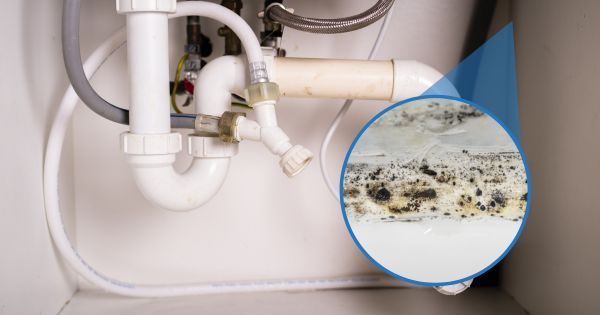
Some of the most serious moisture issues are hidden from view. Slow plumbing leaks inside walls or beneath sinks can go unnoticed for months. AC drain line leaks in attics frequently soak insulation and ceiling materials without immediate signs inside living spaces.
Roof leaks are another common source, especially after storms. Water can enter through a small opening and travel along framing before appearing far from the entry point. Crawl spaces, wall cavities, and air ducts are also frequent problem areas, particularly in homes closer to Fort Lauderdale or Lauderdale-by-the-Sea where humidity and salt air increase wear on materials.
Why DIY Moisture Checks Usually Miss the Problem
Homeowners often try to locate moisture issues themselves using visual checks or basic handheld meters. While this may identify surface dampness, it rarely uncovers the full extent of the problem. Consumer-grade tools have limited depth and accuracy and cannot reliably assess moisture behind walls or under flooring.
Without understanding how moisture moves through a structure, it’s easy to misread results or treat symptoms instead of causes. Drying a visible area does not solve the issue if moisture continues to enter from another source.
Professional Moisture Detection Step by Step
A professional moisture detection process begins with a detailed property assessment. Inspectors consider the building’s age, layout, construction type, and any history of leaks or water damage. In Coconut Creek homes, close attention is given to AC systems, kitchens, bathrooms, and exterior walls.
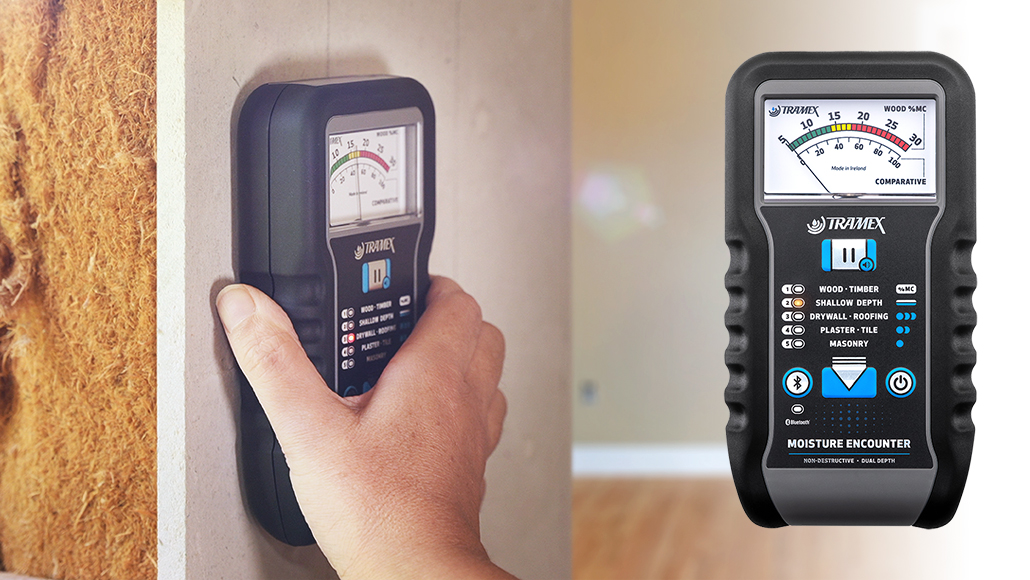
Specialized tools are then used to locate moisture. Professional moisture meters measure levels within different materials, while thermal imaging cameras help identify temperature differences caused by damp areas. Hygrometers measure indoor humidity, providing insight into overall moisture conditions.
Once moisture is identified, the next step is tracing it back to its source. This may involve checking plumbing lines, AC drain systems, roof penetrations, windows, and doors. Identifying the source is critical to preventing future problems.
How Moisture Detection Connects to Mold Inspection and Testing
Moisture detection plays a key role in mold inspection and testing. Mold cannot grow without moisture, so identifying damp areas helps focus inspections on high-risk locations. This allows for more accurate testing and minimizes unnecessary disruption.
In many Coconut Creek properties, mold develops inside walls or duct systems where moisture has lingered for long periods. Early moisture detection helps limit mold spread and reduces the scope of remediation.
Proper Mold Removal and Remediation After Moisture Is Found
When moisture leads to mold growth, remediation must address both the mold and the moisture source. Professional mold removal involves containing affected areas, removing contaminated materials, and cleaning surrounding surfaces using appropriate methods.
Equally important is correcting the moisture problem. This may involve plumbing repairs, AC system adjustments, moisture control improvements, or duct cleaning. Without fixing the underlying issue, mold is likely to return.
Water Damage Repair and Flood-Related Moisture Issues
Moisture detection often uncovers damage from previous flooding or water intrusion. Even after visible water is removed, moisture can remain trapped in materials. Flood restoration and water removal services focus on thorough drying and monitoring moisture levels until they return to safe ranges.
Coconut Creek and surrounding Broward County communities are especially vulnerable to storm-related water intrusion. Addressing lingering moisture after these events helps prevent long-term damage.
AC Systems, Air Ducts, and Moisture Control
Air conditioning systems are closely tied to moisture management. Leaky ductwork, poor insulation, and clogged drain lines can all introduce moisture into living spaces. Moisture detection often includes evaluating duct systems and AC components.
Air duct cleaning and proper system maintenance help reduce condensation and improve indoor air quality. Managing humidity is essential in South Florida homes where cooling systems operate year-round.
Preventing Moisture Problems in Coconut Creek Homes
Preventive steps make a significant difference. Regular AC maintenance, prompt repair of small leaks, and proper ventilation help control moisture levels. Monitoring indoor humidity and addressing issues early reduces the risk of mold and water damage.
After heavy rains or storms, checking attics, ceilings, and exterior walls for moisture intrusion is a smart habit. Early detection keeps problems manageable.
Why Local Experience Matters
Moisture behavior in Coconut Creek is shaped by Florida’s climate and construction styles. Local experience helps professionals interpret moisture readings accurately and identify likely sources. Knowledge of Broward County homes makes moisture detection more effective and reliable.
Companies like Pompano Mold Inspection and Testing bring local insight to moisture detection, mold inspection, and water damage services across Coconut Creek, Pompano Beach, Lighthouse Point, Deerfield Beach, Margate, and nearby areas.
A Calm, Practical Next Step
Moisture issues do not have to turn into major problems. A clear, step-by-step moisture detection process gives homeowners clarity and control. Early action protects the property, limits mold risk, and helps maintain a comfortable indoor environment. Catching moisture early is one of the most effective ways to protect a Coconut Creek home for the long term.
