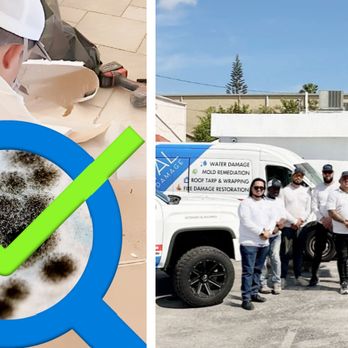
Storm damage in Lauderdale-by-the-Sea often leads to hidden moisture in homes, which can compromise structural integrity, promote mold growth, and affect indoor air quality. High humidity, heavy rainfall, and roof or plumbing leaks make early moisture detection critical for homeowners, landlords, and property managers. Proper moisture detection identifies problems before they escalate, saving time, money, and property value.
For homes in Lauderdale-by-the-Sea and nearby areas including Pompano Beach, Lighthouse Point, Deerfield Beach, Margate, Coconut Creek, North Lauderdale, and Fort Lauderdale, understanding practical moisture detection services helps protect both structures and occupants.
What Moisture Detection Services Involve
Moisture detection is the process of identifying and measuring water presence within building materials and hidden spaces. Professional services include:
- Visual Inspection – Looking for water stains, discoloration, or warping
- Moisture Meters – Measuring water content in walls, flooring, ceilings, and structural elements
- Thermal Imaging Cameras – Detecting hidden moisture behind walls or under floors
- Infrared Scanning – Revealing temperature differences that indicate damp areas
- Humidity Monitoring – Measuring indoor air humidity to identify potential condensation issues
Accurate detection allows homeowners to address moisture before it leads to mold or structural damage.
How Storm Damage Causes Hidden Moisture
Storm damage creates multiple sources of water intrusion:
- Roof leaks – Water penetrates ceilings, attic insulation, and framing
- Flooding and ponding – Water pools near foundations or low-lying areas
- Plumbing leaks – Pipes may burst or loosen during storms
- AC condensation overflow – Blocked or malfunctioning lines release water into walls or floors
- Cracks in exterior walls or windows – Rainwater seeps into interior structures
Even after visible water is removed, hidden moisture can remain, causing long-term problems.
Early Signs Moisture May Be Present
Homeowners should watch for indicators of hidden water:
- Musty or earthy odors inside the home
- Water stains or discoloration on ceilings, walls, or baseboards
- Peeling paint or bubbling wallpaper
- Warped, soft, or sagging flooring
- Condensation on walls or windows
- Mold growth in attics, crawl spaces, or behind walls
Identifying these signs early helps prevent mold proliferation and structural damage.
Common Hidden Moisture Areas
Moisture often accumulates in areas that are not immediately visible:
- Wall cavities and behind baseboards
- Under carpets, tiles, or laminate flooring
- Attic insulation and roof structures
- HVAC ducts and air handlers affected by condensation
- Plumbing chases, utility closets, and crawl spaces
Professional detection uses specialized tools to locate these hidden areas accurately.
Why DIY Moisture Checks Often Fail
Homeowners may try to detect moisture themselves, but DIY methods often fall short because:
- Hidden water behind walls, ceilings, or floors is missed
- Moisture meters or thermal imaging are not used correctly
- Small leaks or trapped condensation are not identified
- Remaining moisture may lead to mold growth despite surface drying
Professional moisture detection ensures accurate identification and informs proper repair strategies.
Professional Moisture Detection Process
The typical moisture detection process includes:
- Initial Inspection – Identify visible water damage and potential risk areas
- Measurement and Mapping – Use moisture meters and thermal imaging to pinpoint affected areas
- Hidden Moisture Assessment – Check inside walls, floors, ceilings, and HVAC systems
- Reporting – Provide detailed findings with moisture levels and areas of concern
- Recommendations – Suggest corrective actions, repairs, and preventive strategies
Local providers like Pompano Mold Inspection and Testing specialize in detecting moisture in Lauderdale-by-the-Sea homes, ensuring precise assessment and actionable insights.
Preventive Measures for Homeowners
After detecting moisture, homeowners can take steps to minimize future risk:
- Maintain roof, gutters, and downspouts to prevent leaks
- Inspect and repair plumbing lines after storms
- Ensure proper AC maintenance and condensation line drainage
- Improve attic and wall ventilation to reduce humidity buildup
- Install moisture barriers in basements, crawl spaces, or attics
- Schedule routine inspections, especially after heavy rainfall
Proactive maintenance reduces the likelihood of hidden moisture causing long-term problems.
Benefits of Professional Moisture Detection
Using professional services provides multiple advantages:
- Early identification of hidden water before major damage occurs
- Prevention of mold growth and related indoor air quality issues
- Protection of structural components from long-term deterioration
- Guidance for repairs and preventive maintenance
- Peace of mind knowing your home is safe and thoroughly assessed
Timely detection is particularly important in humid, storm-prone areas like Lauderdale-by-the-Sea.
Why Local Expertise Matters
Moisture behavior in Lauderdale-by-the-Sea homes is influenced by high humidity, coastal storms, and local construction practices. Professionals familiar with Lauderdale-by-the-Sea, Pompano Beach, Lighthouse Point, Deerfield Beach, Margate, Coconut Creek, North Lauderdale, and Fort Lauderdale understand common problem areas and effective detection strategies.
Local expertise ensures inspections, moisture mapping, and recommendations are tailored to South Florida homes and environmental conditions.
A Calm, Practical Next Step for Homeowners
Moisture detection after storm damage is essential to protect Lauderdale-by-the-Sea homes from hidden water, mold growth, and structural damage. Professional inspection, measurement, and mapping provide actionable insights that prevent long-term problems.
Partnering with a trusted local provider like Pompano Mold Inspection and Testing ensures homes are thoroughly assessed and safeguarded against future moisture issues in South Florida’s humid, storm-prone environment.