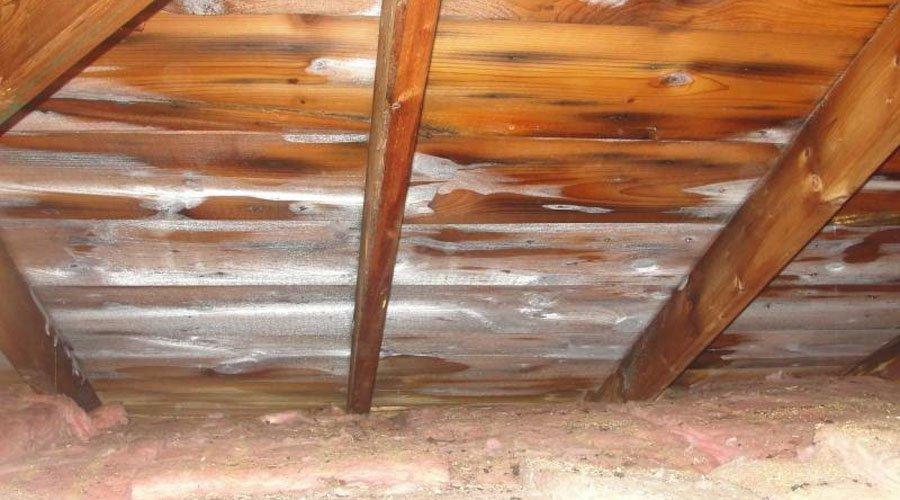
Moisture Detection Solutions for Homes in Lauderdale-by-the-Sea: Step-by-Step Process Explained
Moisture problems are one of the most common causes of structural damage and mold growth in homes across Lauderdale-by-the-Sea. Coastal humidity, heavy rainfall, plumbing leaks, and air-conditioning condensation can all introduce moisture into areas that are not immediately visible. Many homeowners do not realize a problem exists until stains, odors, or visible damage appear.
Moisture detection helps identify hidden dampness early, allowing homeowners to correct problems before they lead to costly repairs. Understanding the step-by-step process makes it easier to recognize when moisture detection may be needed and how it helps protect residential properties.
What Moisture Detection Really Means
Moisture detection is the process of locating water or dampness inside a home, even when it cannot be seen. Moisture may be trapped behind walls, under flooring, inside insulation, or around HVAC systems.
Because moisture often spreads beyond the point where water first enters, detection focuses on identifying both the source of moisture and the areas affected.
Early detection allows homeowners to repair leaks, dry materials, and prevent mold growth before serious damage occurs.
Why Moisture Problems Are Common in Lauderdale-by-the-Sea
Several local conditions make moisture problems more likely in this coastal area:
- High year-round humidity
- Frequent rain and storm activity
- Roof leaks caused by wind and salt exposure
- Condensation forming inside ducts and attics
- Plumbing leaks in kitchens and bathrooms
Homes in nearby Pompano Beach, Lighthouse Point, and Deerfield Beach often experience similar moisture-related issues, especially in properties where ventilation is limited.
Humidity slows evaporation, which allows damp materials to remain wet longer than expected.
Common Signs That Moisture May Be Present
Moisture problems often begin with subtle warning signs.
Homeowners may notice:
- Musty or damp odors
- Water stains on ceilings or walls
- Peeling paint or bubbling drywall
- Warped flooring or baseboards
- Condensation on windows or vents
- Persistent humidity indoors
These signs usually indicate hidden moisture that should be inspected.
Hidden Areas Where Moisture Often Develops
Many moisture problems occur in areas that are not easily visible.
Common hidden locations include:
Inside wall cavities after plumbing leaks
Attic insulation following roof leaks
Under flooring or carpet padding
Inside duct systems affected by condensation
Behind cabinets or inside closets
Because these areas are concealed, moisture may spread before damage becomes visible.
Step-by-Step Process of Moisture Detection
Moisture detection follows a structured process designed to locate damp areas accurately and determine the cause.
Step 1: Initial Visual Inspection
The process begins with a visual inspection of the home. Areas commonly affected by moisture—such as ceilings, walls, attics, and around plumbing fixtures—are examined for stains, discoloration, or signs of dampness.
Technicians also look for ventilation problems, condensation, or areas where water may have entered.
Step 2: Moisture Meter Testing
Moisture meters are used to measure moisture levels in materials such as drywall, wood, and flooring. These tools help identify damp areas that may not be visible.
Testing multiple locations helps determine how far moisture has spread.
Step 3: Locating the Source of Moisture
Identifying the source of moisture is essential. This may involve checking:
- Plumbing lines and fixtures
- Roof and attic areas
- Windows and exterior walls
- HVAC systems and condensate lines
Finding the source ensures that repairs address the root cause rather than just the symptoms.
Step 4: Evaluating Hidden Areas
Attics, crawl spaces, and duct systems are inspected for condensation, leaks, or damp insulation. These areas often trap moisture and contribute to long-term problems if not addressed.
Hidden moisture can affect air quality and lead to mold growth if left untreated.
Step 5: Reporting Findings and Recommendations
After detection is complete, homeowners receive information about affected areas and recommended next steps. These may include drying, repairs, or improvements to ventilation and moisture control.
This step helps ensure that all moisture-related issues are addressed properly.
Why Moisture Detection Is Important
Moisture detection helps homeowners:
- Prevent mold growth
- Protect structural materials
- Improve indoor air quality
- Identify leaks early
- Reduce long-term repair costs
Early detection often allows minor repairs to prevent major restoration work.
Why DIY Methods Often Miss Hidden Moisture
Some homeowners rely on visual inspection alone, but moisture can remain hidden inside structural materials. Drywall and wood may feel dry on the surface while still containing moisture internally.
Without moisture meters or professional inspection techniques, hidden dampness may remain undetected and lead to mold growth later.
Professional detection ensures that both visible and concealed moisture are located.
Moisture Detection and Mold Prevention
Mold requires moisture to grow, which makes moisture detection one of the most effective ways to prevent mold problems. Locating and drying damp areas quickly reduces the risk of contamination.
If mold has already developed, proper remediation may be required before repairs are completed.
Homes in Margate, Coconut Creek, and North Lauderdale often require similar moisture detection after leaks or storms.
Air Ducts, AC Systems, and Moisture
Air conditioning systems can contribute to moisture problems when condensation forms inside ducts or air handlers. Poor insulation or restricted airflow can increase condensation levels.
Moisture detection often includes inspecting duct systems to ensure that ventilation components remain dry and clean.
Maintaining AC systems and keeping condensate lines clear helps prevent recurring moisture issues.
Practical Steps Homeowners Can Take
Homeowners in Lauderdale-by-the-Sea can reduce moisture problems by following simple maintenance practices:
- Repair plumbing leaks promptly
- Inspect roofs after storms
- Maintain HVAC systems regularly
- Use exhaust fans in kitchens and bathrooms
- Monitor indoor humidity levels
- Address musty odors quickly
Routine maintenance helps prevent moisture from accumulating.
Why Local Experience Matters
Moisture detection in Lauderdale-by-the-Sea requires an understanding of coastal humidity, construction methods, and seasonal weather patterns. Homes in this region often have attic layouts and duct systems that influence how moisture spreads and dries.
Professionals familiar with Lauderdale-by-the-Sea, Pompano Beach, and Fort Lauderdale know where hidden moisture is most likely to remain and how to identify it effectively.
Pompano Mold Inspection and Testing has assisted many homeowners in locating moisture sources, preventing mold growth, and restoring safe indoor conditions. Local experience helps ensure that detection and repairs address long-term causes rather than temporary symptoms.
A Practical Next Step for Homeowners
Moisture problems rarely resolve without identifying their source. Musty odors, stains, or persistent humidity often indicate hidden moisture that should be investigated.
Scheduling moisture detection helps confirm whether damp areas are present and allows homeowners to take corrective steps early. Early detection, proper drying, and timely repairs are the most effective ways to protect homes in Lauderdale-by-the-Sea from long-term damage.