
Mold After Plumbing Leaks in Coconut Creek: Real Cases and Professional Insights
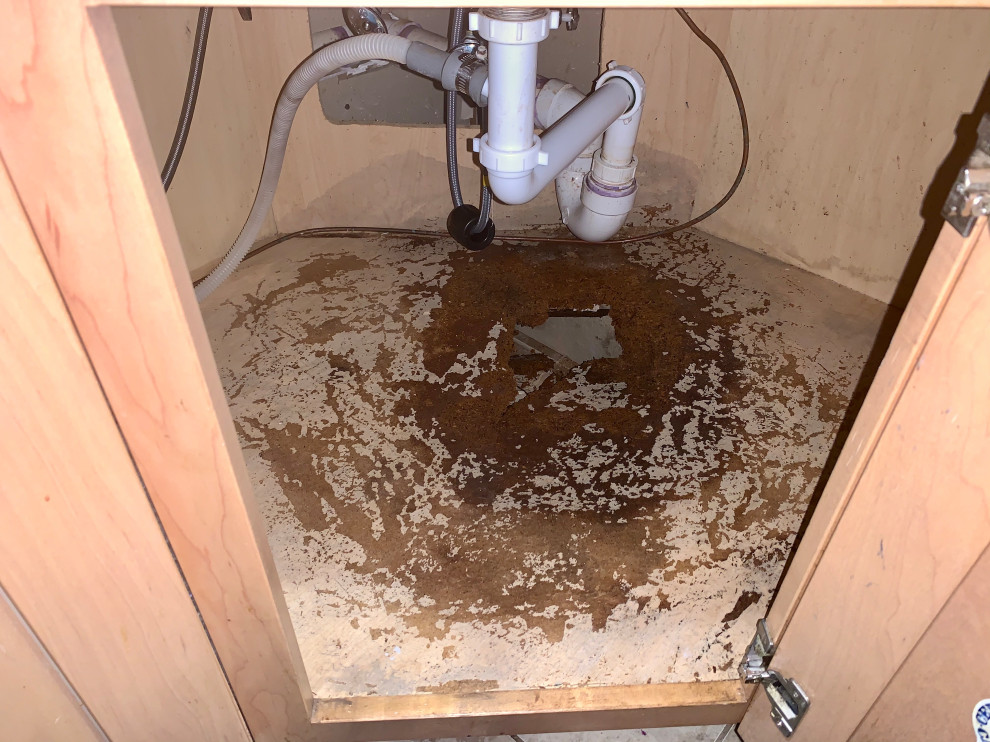
A property owner in Coconut Creek once discovered a slow leak under a bathroom sink that had likely been dripping for weeks. The cabinet looked dry from the outside, but once it was removed, moisture had soaked the wall cavity and baseboard behind it. Mold had begun growing in areas that were never visible from the living space.
Cases like this are common across South Florida. Plumbing leaks don’t always cause immediate flooding, but even small leaks can create the conditions mold needs to develop.
How Mold Develops After Plumbing Leaks
Mold begins to grow when three things are present:
- Moisture
- Organic material such as drywall or wood
- Time
After a plumbing leak, materials like drywall, cabinetry, flooring, and insulation can hold moisture for days or even weeks. In humid environments like Coconut Creek, drying happens more slowly, which increases the risk of mold growth.
Mold may begin forming within 24–48 hours if materials remain damp.
Why Plumbing-Leak Mold Is Common in South Florida
Several regional factors make mold after plumbing leaks more likely:
- High year-round humidity
- Air conditioning systems that create condensation
- Warm temperatures that accelerate mold growth
- Homes with enclosed wall cavities and limited airflow
- Heavy seasonal rain that raises ambient moisture levels
Even a repaired leak can leave moisture trapped behind walls or under flooring if drying isn’t thorough.
Real Situations Seen in Coconut Creek Homes
Professional inspections across Coconut Creek and nearby Fort Lauderdale and Coral Springs often reveal similar patterns.
Common real-world scenarios include:
- Slow leaks under kitchen or bathroom sinks
- Refrigerator supply line leaks
- Toilet seal failures
- Pipe leaks inside walls
- Washing machine hose failures
- AC drain line backups mistaken for plumbing issues
In many of these cases, the leak is repaired quickly, but mold develops later because moisture remains trapped.
How Mold After Plumbing Leaks Affects Homes
Mold caused by leaks can lead to:
- Persistent musty odors
- Damaged drywall or cabinetry
- Warped flooring
- Staining and discoloration
- Reduced indoor air quality
During real estate transactions, evidence of past leaks or mold growth can also raise concerns for buyers and inspectors.
Mold Inspection, Testing, and Remediation: Understanding the Difference
These services address different parts of the problem.
Mold inspection identifies moisture sources, visible growth, and affected materials.
Mold testing or indoor air quality testing measures airborne spores when confirmation is needed.
Mold remediation removes contaminated materials and corrects moisture conditions.
Many homeowners begin with a professional mold inspection to determine whether mold is present and how extensive it may be.
Why DIY Cleanup Often Fails After Plumbing Leaks
After a leak, cleaning visible mold may seem straightforward, but several factors make DIY cleanup unreliable:
- Mold may be growing behind walls or under flooring
- Household cleaners do not penetrate porous materials
- Moisture sources are often not fully resolved
- Airborne spores can remain in enclosed spaces
Without proper drying and evaluation, mold frequently returns.
What Professional Mold Inspection and Testing Involves
A thorough inspection after a plumbing leak typically includes:
- Moisture detection in walls, floors, and cabinets
- Infrared scanning to locate hidden moisture
- Visual examination of affected areas
- Assessment of ventilation and humidity levels
- Indoor air quality testing when appropriate
This process helps determine whether the leak caused conditions that allow mold to develop.
One Professional Insight Many Homeowners Don’t Realize
One of the most common findings is that materials may appear dry on the surface but still contain moisture internally. Baseboards, drywall backing, and subflooring can retain moisture long after the visible water is gone.
This hidden moisture is often what allows mold to grow weeks after a leak has already been repaired.
Prevention Tips After a Plumbing Leak
Homeowners in Coconut Creek can reduce mold risk by acting quickly after any leak.
Practical steps include:
- Drying affected areas within 24–48 hours
- Removing saturated materials when necessary
- Using dehumidifiers to control humidity
- Checking adjacent rooms and wall cavities
- Monitoring humidity levels for several days
Even small leaks should be evaluated carefully, especially in humid climates.
Why Local South Florida Experience Matters
Inspecting homes in Coconut Creek and across Broward County requires an understanding of local conditions:
- Homes frequently run air conditioning year-round
- High humidity slows drying times
- Plumbing leaks combined with ambient moisture increase mold risk
- Many homes use building materials that absorb moisture quickly
Professionals familiar with Fort Lauderdale, Miami, and surrounding communities recognize these patterns and know where hidden moisture is most likely to remain.
Practical Closing Guidance
If a plumbing leak has occurred—whether large or small—it’s wise to evaluate the affected area thoroughly. Even when the water source is fixed, hidden moisture can remain and allow mold to develop.
A professional evaluation, including mold testing or indoor air quality testing when appropriate, provides clear answers about whether mold is present and what steps are necessary to prevent further damage.
Property owners who want to understand the condition of their home after a leak can request an evaluation through the Contact Us page to determine the most appropriate next step based on the situation and moisture conditions.
