
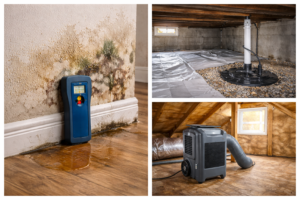
Mold Inspection and Testing in Lauderdale-by-the-Sea: A Complete Homeowner Guide
Mold is one of the most common and insidious threats to homes in Lauderdale-by-the-Sea, Florida. The city’s subtropical climate, high humidity, and frequent rainfall create ideal conditions for mold growth. For homeowners, mold isn’t just an aesthetic issue; it can pose significant health risks, structural damage, and financial consequences. Conducting thorough mold inspections and testing is essential to protect both the property and its occupants. This guide provides a detailed look at the process, best practices, and actionable advice for homeowners.
1. Understanding Mold: Why It Thrives in Lauderdale-by-the-Sea
Mold is a type of fungus that grows in moist environments. It reproduces via spores, which are microscopic and airborne, meaning they can easily spread throughout a home. Mold requires three things to thrive:
- Moisture: Leaks, condensation, or high indoor humidity provide the water it needs.
- Organic material: Wood, drywall, carpet, and even dust can serve as food.
- Warmth: Mold grows best in temperatures between 60–80°F, which aligns with the coastal Florida climate.
Common species in Lauderdale-by-the-Sea include Cladosporium, Aspergillus, Penicillium, and Stachybotrys (black mold). While some molds are less harmful, others produce mycotoxins that can affect human health.
2. Why Mold Inspection Is Crucial for Homeowners
Mold can often grow behind walls, under flooring, or inside HVAC systems, making it difficult to detect without professional inspection. Key reasons homeowners should conduct mold inspections include:
2.1 Health Protection
Exposure to mold spores can trigger:
- Respiratory issues such as asthma and bronchitis
- Allergic reactions like sneezing, watery eyes, and skin irritation
- Chronic fatigue, headaches, and sinus infections
Children, the elderly, and immunocompromised individuals are particularly vulnerable.
2.2 Structural Safety
Mold consumes organic materials in the home, weakening:
- Wooden beams and flooring
- Drywall and plaster
- Insulation and HVAC components
Unchecked mold can compromise structural integrity, leading to costly repairs.
2.3 Financial Considerations
Homeowners may face:
- Reduced property value if mold is discovered during resale
- High remediation costs if mold spreads
- Insurance complications, as some policies deny coverage for neglected moisture issues
2.4 Legal Compliance
For homeowners renting out properties, Florida laws require habitable living conditions. Mold infestations can lead to legal disputes with tenants if not addressed promptly.
3. Signs That Mold May Be Present
While professional testing is the most reliable method, homeowners can watch for common indicators:
- Musty odors: Persistent damp, earthy smells often indicate mold.
- Discoloration: Black, green, or brown spots on walls, ceilings, or floors.
- Water damage signs: Peeling paint, bubbled wallpaper, or warped wood.
- Health symptoms: Frequent allergies or respiratory irritation when at home.
- Condensation and high humidity: Windows fogged up regularly or persistent moisture in bathrooms and kitchens.
4. The Mold Inspection Process
A professional mold inspection is thorough and systematic. Key steps include:
4.1 Initial Assessment
- Visual inspection of all accessible areas
- Identification of moisture-prone zones (bathrooms, kitchens, basements, attics)
- Checking plumbing, roofs, and HVAC systems for leaks
4.2 Moisture Detection
Inspectors use specialized tools such as:
- Moisture meters to detect damp walls or floors
- Thermal imaging cameras to find hidden water intrusion
- Hygrometers to measure indoor humidity levels
4.3 Air Sampling
Airborne mold spores are collected using:
- Spore traps: Samples collected on slides for lab analysis
- Impaction or filtration devices to determine spore concentration
4.4 Surface Sampling
- Tape lifts: Mold on surfaces is lifted for identification
- Swabs: Collected from suspicious areas like HVAC ducts or walls
4.5 Lab Analysis
Samples are sent to certified laboratories to identify:
- Mold species present
- Spore concentrations
- Potential toxins produced
Lab results guide the remediation process and prioritize high-risk areas.
5. DIY vs. Professional Mold Testing
While homeowners can purchase DIY mold test kits, professional testing offers advantages:
- Accuracy: Professionals use calibrated equipment and certified labs.
- Comprehensive assessment: Hidden mold behind walls, under floors, and in ducts is more reliably detected.
- Actionable results: Professional reports include species identification and remediation recommendations.
DIY kits may provide a snapshot but cannot determine the extent of contamination or health risks reliably.
6. Preparing for a Mold Inspection
Homeowners can improve the accuracy and efficiency of inspections by:
- Documenting water leaks, flooding, or past moisture issues
- Removing clutter to allow access to walls, floors, and HVAC vents
- Avoiding cleaning areas suspected of mold before the inspection (to prevent spore disturbance)
- Ensuring all utilities are accessible for moisture detection and equipment testing
7. Mold Remediation After Inspection
Inspection and testing are only the first step. Effective remediation includes:
7.1 Containment
- Seal off affected areas to prevent spores from spreading during cleanup
7.2 Removal
- Remove contaminated materials such as drywall, insulation, and carpeting
- Proper disposal according to local guidelines
7.3 Cleaning
- HEPA vacuuming and damp wiping of non-porous surfaces
- Disinfecting surfaces with antimicrobial treatments
7.4 HVAC Cleaning
- Clean air ducts and replace filters to prevent airborne spore circulation
7.5 Drying and Dehumidification
- Use commercial-grade fans and dehumidifiers to maintain low indoor humidity
- Monitor moisture levels to prevent recurrence
7.6 Post-Remediation Testing
- Conduct follow-up air or surface sampling to verify mold has been effectively removed
8. Preventing Mold in Lauderdale-by-the-Sea Homes
Prevention is always preferable to remediation. Key strategies include:
- Maintain humidity below 50% using dehumidifiers and air conditioning
- Promptly fix leaks in plumbing, roofing, and windows
- Install proper ventilation in kitchens, bathrooms, and attics
- Use moisture-resistant building materials in damp areas
- Inspect HVAC systems regularly and replace filters every 1–3 months
- Ensure proper drainage around the foundation to prevent water intrusion
Routine maintenance significantly reduces mold risk and improves indoor air quality.
9. Health and Safety Considerations
Homeowners and occupants should follow these precautions:
- Avoid direct contact with visible mold
- Wear protective equipment such as gloves, masks, and goggles during minor cleanup
- Keep children, elderly, and immunocompromised individuals away from affected areas
- Never mix bleach with ammonia or other chemicals, as this produces toxic fumes
Professional remediation ensures safety and reduces exposure to harmful spores.
10. Insurance and Mold Coverage in Florida
Homeowners should understand how insurance interacts with mold:
- Standard homeowner policies often exclude mold caused by neglect or unresolved leaks
- Flood insurance may cover water-related mold if flooding caused the damage
- Documentation from inspections can support claims and demonstrate proactive maintenance
Consulting with insurance providers before mold issues arise helps clarify coverage.
11. Costs of Mold Inspection and Testing
Costs vary depending on home size, inspection depth, and testing methods:
- Visual inspection: $200–$500
- Air and surface testing: $300–$800
- Full professional inspection with lab analysis: $500–$1,200+
While these costs may seem significant, they are small compared to long-term remediation or property damage expenses caused by undetected mold.
12. Selecting a Qualified Mold Inspector
Tips for homeowners in Lauderdale-by-the-Sea:
- Choose certified professionals (e.g., IICRC, NORMI, or AIHA certifications)
- Verify experience with coastal homes and high-humidity environments
- Ask for detailed reports including moisture maps, lab results, and recommendations
- Request references or online reviews from previous clients
Properly qualified inspectors ensure a thorough assessment and actionable results.
13. Case Example: Mold Inspection in a Coastal Home
A home in Lauderdale-by-the-Sea experienced frequent musty odors and condensation on windows. A professional inspector:
- Conducted a full visual assessment
- Used thermal imaging and moisture meters to detect hidden dampness in walls and attic
- Collected air and surface samples for lab testing
- Identified Penicillium and Cladosporium species
- Recommended targeted remediation and ventilation upgrades
Post-remediation testing confirmed that spore levels were safe, and indoor air quality improved significantly. This case demonstrates the effectiveness of professional mold inspection and testing.
14. Conclusion
Mold is a hidden yet serious threat to homes in Lauderdale-by-the-Sea. Conducting professional inspections and testing is essential for:
- Protecting health
- Preventing structural damage
- Maintaining property value
- Ensuring compliance with legal and insurance requirements
By understanding the causes of mold, recognizing the signs, and following best practices for inspection, testing, and remediation, homeowners can safeguard their properties and their families. Proactive mold management is not just a precaution—it’s an investment in safety, comfort, and long-term home integrity.
