
Mold Inspection and Testing Solutions for Homes in Lighthouse Point: Practical Tips That Work
Homes in Lighthouse Point face a unique set of moisture challenges. Coastal humidity, salt air, frequent rain, and year-round air conditioning create conditions where mold can develop quietly and spread before it is noticed. Many homeowners are surprised to learn that mold problems often start long before visible spots appear. Mold inspection and testing play a critical role in identifying issues early and preventing long-term damage in coastal homes.
In Lighthouse Point, mold is rarely an isolated issue. It is usually a sign of ongoing moisture that needs to be located and controlled. Practical inspection and testing strategies help homeowners understand what is happening inside their homes and take the right steps to protect them.
What Mold Inspection and Testing Really Mean
Mold inspection is the process of identifying visible and hidden mold growth and the conditions that allow it to develop. Testing is sometimes used to confirm mold presence or evaluate areas where growth is suspected but not visible.
Inspection focuses on understanding moisture behavior, building layout, and problem areas. Testing provides additional information when needed, but it is most effective when guided by a thorough inspection rather than used on its own.
Why Mold Is a Common Issue in Lighthouse Point Homes
Lighthouse Point’s coastal environment makes moisture control more difficult than in inland areas. High humidity levels are present most of the year, and salt air accelerates wear on building materials, seals, and HVAC components. Even small moisture intrusions can linger longer in this environment.
Frequent storms and wind-driven rain increase the risk of water entering through roofs, windows, doors, and exterior walls. Air conditioning systems run constantly, and condensation from drain lines or ductwork can introduce moisture into walls and ceilings.
Nearby areas like Pompano Beach, Fort Lauderdale, and Lauderdale-by-the-Sea experience similar challenges, but coastal exposure often intensifies moisture-related issues in Lighthouse Point homes.
Early Signs Homeowners Often Miss
Many mold problems start with subtle warning signs. A persistent musty odor is often the first clue, especially in closets, bathrooms, or rooms with limited airflow. Homeowners may also notice increased indoor humidity or condensation on vents and windows.
Peeling paint, bubbling drywall, or minor discoloration near baseboards can signal moisture behind surfaces. Mold spots that return after cleaning are another common sign that moisture is still present and mold growth is ongoing.
Hidden Areas Where Mold Commonly Develops
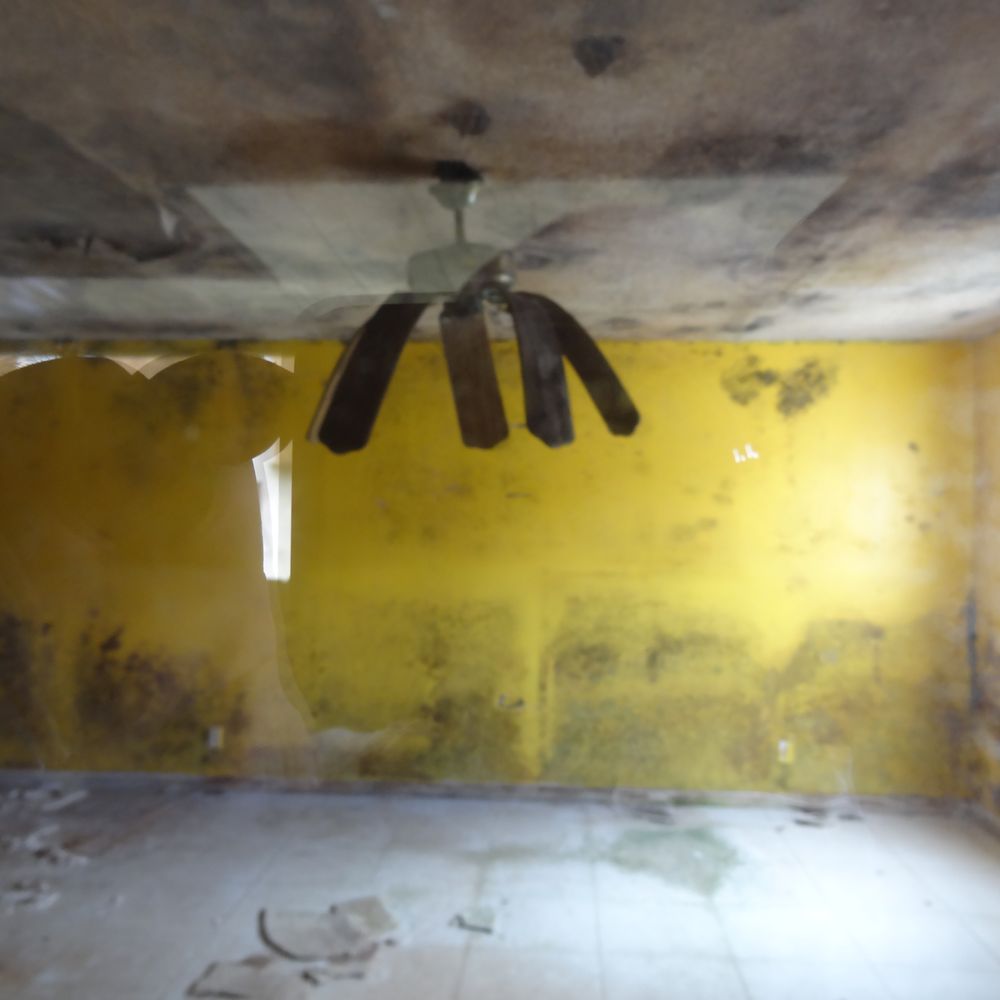
Some of the most problematic mold growth in Lighthouse Point homes occurs out of sight. Attics are a major risk area due to roof leaks, poor ventilation, or AC drain line issues. Damp insulation and roof decking can support mold growth without visible signs inside living spaces.
Wall cavities are another common location. Moisture from plumbing leaks, condensation, or exterior intrusion can become trapped behind drywall. Air ducts can also collect moisture, especially when insulation is damaged or airflow is restricted, allowing mold to develop and spread through the system.
Why DIY Mold Checks Often Fall Short
Homeowners often try to assess mold problems by cleaning visible areas or using basic testing kits. While this may provide temporary reassurance, it rarely identifies the full extent of the issue.
Mold often grows beneath surfaces or in areas that cannot be seen without proper tools. DIY testing without understanding moisture patterns can also lead to misleading results. Effective solutions start with identifying the source of moisture, not just the presence of mold.
Professional Mold Inspection Explained
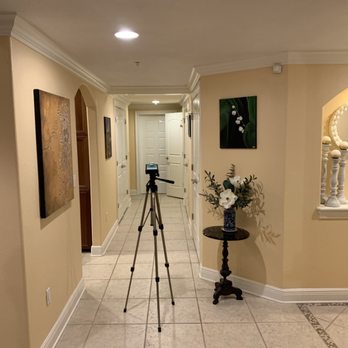
Professional mold inspection focuses on locating moisture and understanding how it moves through the home. Inspectors evaluate areas most prone to moisture, including bathrooms, kitchens, attics, AC systems, and exterior walls.
Moisture meters and thermal imaging tools help identify damp areas inside walls, ceilings, and floors without unnecessary damage. In Lighthouse Point homes, special attention is given to coastal exposure points and attic spaces where moisture often accumulates.
When Mold Testing Is Helpful
Mold testing is not always required, but it can be useful in certain situations. Testing may be recommended when mold is suspected but not visible, when moisture exposure was prolonged, or when confirmation is needed to guide remediation decisions.
Testing is most effective when combined with inspection findings. It helps confirm whether mold is present and whether specific areas need attention, rather than relying on guesswork.
How Inspection and Testing Work Together
Inspection and testing are most effective when used together strategically. Inspection identifies where moisture and potential mold issues exist. Testing provides additional clarity when visual confirmation is not possible.
This combined approach helps ensure that remediation efforts target affected areas accurately. It also helps prevent unnecessary work while reducing the risk of hidden mold being overlooked.
Mold Remediation and Moisture Control
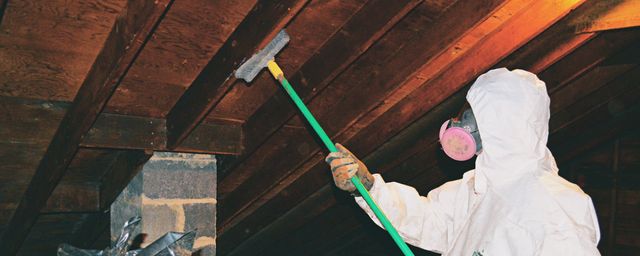
Inspection and testing often lead to remediation when mold is confirmed. Proper remediation focuses on removing affected materials when necessary, cleaning remaining surfaces, and correcting moisture sources.
Moisture control is essential for long-term success. Without addressing leaks, condensation, or ventilation problems, mold is likely to return even after cleanup. Remediation and moisture correction go hand in hand.
AC Systems, Ductwork, and Mold Risk
Air conditioning systems play a major role in mold issues in Lighthouse Point homes. Condensation from drain lines, coils, or ductwork can introduce moisture into walls and ceilings. Poorly insulated ducts may also collect condensation in humid conditions.
Inspecting AC components and duct systems is an important part of mold inspection. Air duct cleaning and AC-related moisture repairs help reduce mold risk and improve indoor air quality.
Practical Tips for Preventing Mold in Coastal Homes
Prevention starts with moisture awareness. Using exhaust fans in bathrooms and kitchens, improving airflow, and monitoring indoor humidity levels help reduce moisture buildup.
Regular AC maintenance, clearing drain lines, and inspecting attics after storms catch problems early. Sealing windows, doors, and exterior penetrations also helps limit moisture intrusion in coastal environments.
Why Local Experience Matters
Mold inspection and testing in Lighthouse Point require an understanding of local conditions. Coastal humidity, salt air, and Florida construction styles all influence how moisture behaves inside homes. Local experience helps professionals identify high-risk areas and apply effective solutions.
Pompano Mold Inspection and Testing brings that local knowledge to mold inspection, testing, moisture detection, and remediation services throughout Lighthouse Point, Pompano Beach, Fort Lauderdale, Coconut Creek, Deerfield Beach, Margate, and surrounding Broward County communities.
A Practical, Informed Approach
Mold inspection and testing do not have to be overwhelming. With practical strategies and a focus on moisture control, homeowners can stay ahead of problems before they escalate. Understanding how mold develops and how inspection and testing work allows Lighthouse Point homeowners to protect their properties, reduce long-term risks, and maintain healthier indoor environments.
