
Mold Inspection Services in Coconut Creek in Commercial Buildings: Risks and Prevention Methods
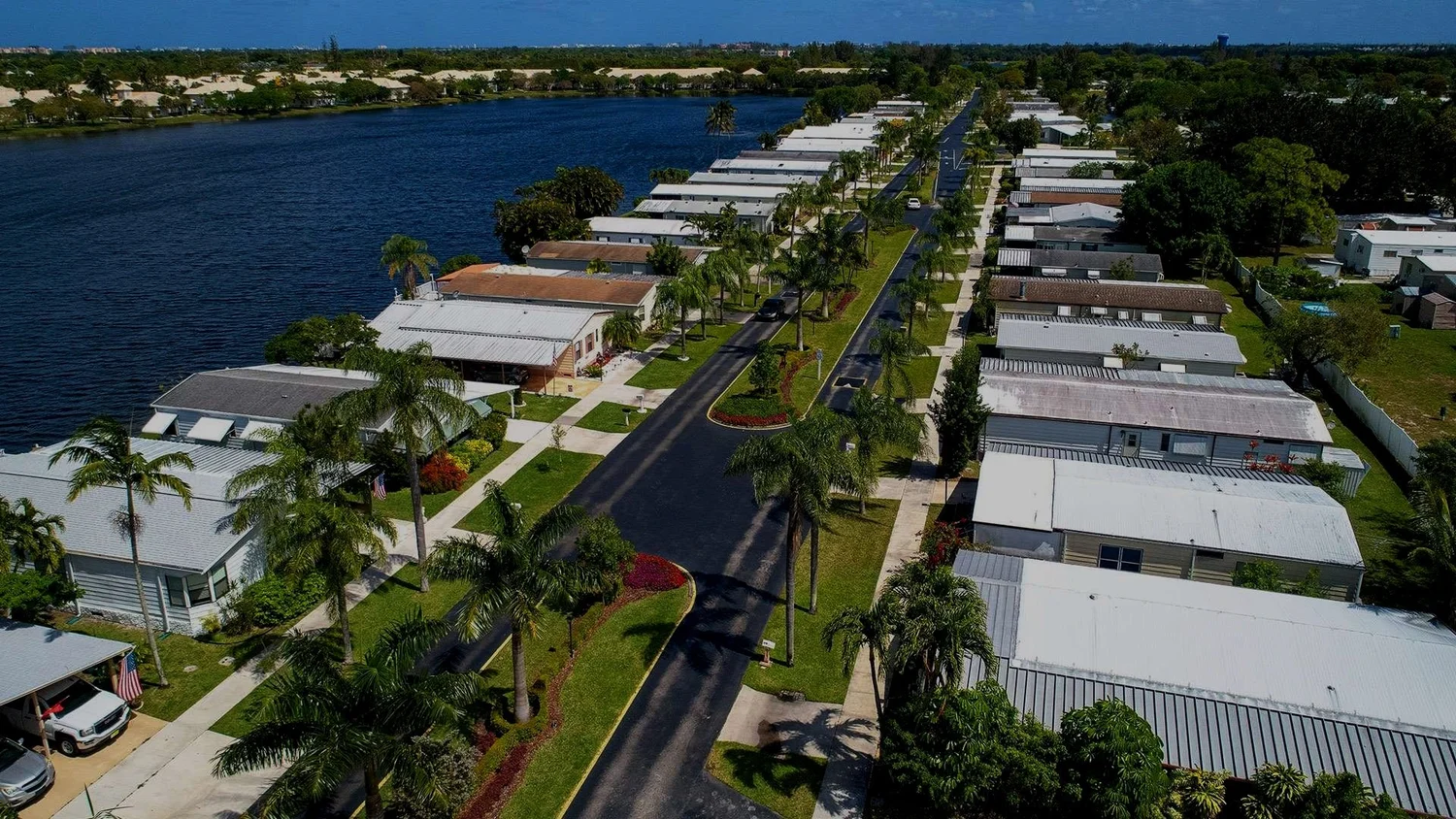
Commercial buildings in Coconut Creek face ongoing mold risks due to South Florida’s humidity, frequent rain, and heavy reliance on air conditioning systems. Unlike residential properties, commercial spaces often have larger HVAC systems, complex layouts, and areas that go unused for long periods. These conditions allow moisture problems to develop quietly, making mold inspection an essential part of building maintenance rather than a reactive service.
For property owners and facility managers, mold inspection services help identify risks early, protect building materials, and prevent disruptions to business operations.
Why Mold Is a Common Issue in Commercial Buildings
Coconut Creek’s climate creates ideal conditions for mold growth. High humidity slows drying, and warm temperatures allow moisture-related issues to escalate quickly.
Commercial buildings often experience water intrusion from roof leaks, plumbing failures, window seals, and exterior walls. Flat or low-slope roofs, common on commercial properties, are especially vulnerable to ponding water after heavy rain.
Large HVAC systems run for extended hours and can introduce condensation issues when drain lines clog, insulation degrades, or airflow becomes restricted. Over time, these moisture sources create environments where mold can grow out of sight.
Nearby areas such as Margate, North Lauderdale, and Pompano Beach face similar challenges, but commercial properties in Coconut Creek often have higher occupancy demands that make early detection even more important.
What Mold Inspection Services Really Involve
Mold inspection in commercial buildings is a structured process focused on identifying moisture conditions, potential mold growth, and risk areas throughout the property.
Inspection begins with a visual assessment of common problem areas, including restrooms, mechanical rooms, break areas, storage spaces, and ceiling systems. Less obvious areas such as wall cavities, attics, crawl spaces, and behind large equipment are also evaluated.
Moisture detection tools are used to locate damp materials inside walls, floors, and ceilings. The goal is to understand where moisture is present and why it is there, not just to look for visible mold.
Risks of Mold in Commercial Properties
Mold in commercial buildings presents multiple risks. Prolonged moisture exposure weakens building materials such as drywall, insulation, ceiling tiles, and wood framing.
Hidden mold can spread beyond its original location, increasing remediation scope and repair costs. In commercial environments, this often means disruption to tenants, employees, or customers.
Mold issues can also affect HVAC performance when moisture or buildup develops inside duct systems or air handlers, impacting airflow and indoor conditions throughout the building.
Early Warning Signs Facility Managers Should Watch For
Mold problems in commercial buildings often provide early warning signs that are easy to overlook. Persistent musty or damp odors in certain areas are common indicators of hidden moisture.
Water stains on ceilings, peeling paint, bubbling drywall, or recurring discoloration around vents and windows suggest moisture intrusion. Increased indoor humidity or condensation forming on vents may also signal underlying issues.
Areas that are infrequently occupied, such as storage rooms or back offices, are especially important to monitor.
Hidden Areas Where Mold Often Develops in Commercial Buildings
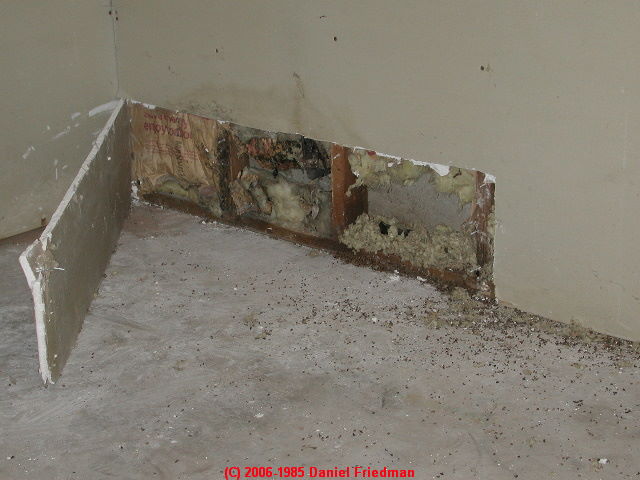
Some of the most serious mold growth occurs in hidden or low-visibility areas. Wall cavities near plumbing lines or exterior walls are common problem zones.
Above drop ceilings, moisture can accumulate unnoticed after roof leaks or AC condensation. Attics and mechanical rooms also present risks, especially when ventilation is poor.
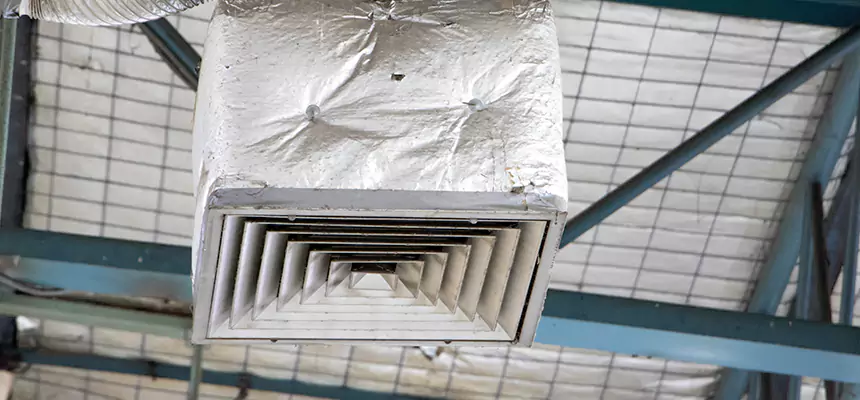
Duct systems are another concern. Condensation inside large commercial ductwork allows dust and debris to collect, creating conditions where mold can develop and spread throughout the building.
Why Visual Inspections Alone Are Not Enough
Visual inspections are only one part of mold evaluation. Mold often grows where it cannot be seen, and moisture can remain trapped inside materials even when surfaces appear dry.
Walls, ceilings, and floors may look intact while holding moisture behind them. Without moisture detection, these hidden conditions often remain unnoticed until damage becomes extensive.
Professional mold inspection services combine visual assessment with moisture detection to provide a complete understanding of building conditions.
Role of Moisture Detection in Mold Inspection
Moisture detection is critical in commercial mold inspections. Moisture meters measure water content inside materials, while thermal imaging helps identify temperature differences that often indicate damp areas.
In Coconut Creek commercial buildings, moisture detection is especially valuable after storms, plumbing issues, or HVAC problems. Early detection allows drying and repairs before mold has time to grow.
Managing moisture is the foundation of mold prevention.
When Mold Testing May Be Appropriate
Mold testing is not always required, but it can be useful in certain commercial settings. Testing may be recommended when mold is suspected but not visible, or when documentation is needed for property management or remediation planning.
Testing is most effective when guided by inspection findings. Random testing without understanding moisture conditions often leads to confusing or misleading results.
Inspection and moisture detection should always come first.
How Mold Inspection Guides Remediation and Repairs
Inspection results help determine the appropriate next steps. Some materials may be dried and preserved, while others may require removal and replacement.
Mold inspection helps ensure remediation efforts are targeted rather than excessive. It also confirms that moisture sources are addressed before repairs begin, reducing the risk of recurring problems.
For commercial properties, this targeted approach minimizes downtime and disruption.
Mold Inspection and Water Damage Repair in Commercial Buildings
Mold inspection is closely tied to water damage repair. Leaks, flooding, and condensation issues often cause both water damage and mold growth.
Water removal, drying, and repair return materials to safe moisture levels. Mold inspection helps confirm whether mold-related risks exist after water damage events.
Addressing both moisture and mold together provides more reliable, long-term results.
Prevention Methods That Reduce Mold Risk
Preventing mold in commercial buildings starts with moisture control. Regular roof inspections, prompt plumbing repairs, and sealing exterior openings reduce water intrusion.
Maintaining HVAC systems is critical. Clearing condensate drain lines, inspecting duct insulation, and ensuring proper airflow help reduce condensation-related moisture.
Routine inspections of mechanical rooms, ceiling systems, and low-use areas provide early warning before mold develops.
Importance of Post-Storm Inspections
After heavy rain or storms, early inspection is especially important for commercial properties. Moisture may enter through roofs, walls, or ventilation systems without immediate signs.
Post-storm mold inspections help identify damp materials before mold growth begins. Early drying and targeted repairs reduce the likelihood of costly remediation later.
Why Local Experience Matters
Mold inspection services in Coconut Creek commercial buildings require local knowledge. Florida’s humidity, storm patterns, and commercial construction styles all influence how moisture and mold behave. Local experience helps identify common trouble spots and apply inspection methods suited to Broward County properties.
Pompano Mold Inspection and Testing brings that local expertise to mold inspection, moisture detection, mold remediation, and water damage services throughout Coconut Creek, Margate, North Lauderdale, Pompano Beach, Fort Lauderdale, Lighthouse Point, Deerfield Beach, and surrounding Broward County communities.
Protecting Commercial Properties Long Term
Mold problems in commercial buildings rarely appear suddenly. They develop over time as moisture remains trapped in hidden areas. Mold inspection services help Coconut Creek property owners and managers identify risks early, guide effective prevention strategies, and protect building materials and operations. With regular inspections and consistent moisture control, commercial buildings can remain more durable, functional, and better protected in South Florida’s challenging climate.
