
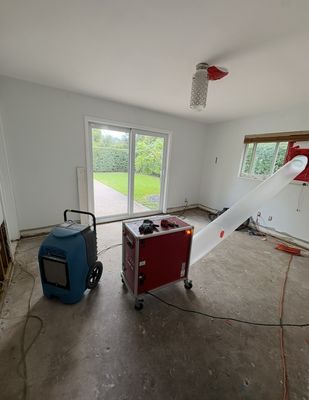

Mold Inspection Solutions for Homes in Deerfield Beach: Practical Tips That Work
Mold is a common concern for homeowners in Deerfield Beach, and it rarely appears without warning. High humidity, frequent rain, and year-round air conditioning create conditions where moisture can build up quietly inside homes. When moisture goes undetected, mold can begin growing behind walls, under flooring, or inside ceilings long before visible signs appear. For homeowners, understanding mold inspection is one of the most effective ways to stay ahead of costly damage and recurring issues.
In Deerfield Beach and nearby communities such as Pompano Beach, Lighthouse Point, Margate, and Lauderdale-by-the-Sea, mold problems are often tied to hidden moisture rather than obvious leaks. Mold inspection is not about fear or guesswork. It is a practical process that helps homeowners identify risks early, confirm whether mold is present, and take corrective action before problems escalate.
What Mold Inspection Really Involves
Mold inspection is a structured evaluation of a home designed to determine whether mold growth exists and whether conditions are present that could support future growth. It goes far beyond spotting dark stains on walls or ceilings.
A proper inspection focuses on moisture sources, airflow patterns, and hidden areas where mold commonly develops. Because mold requires moisture to grow, identifying damp materials and humidity problems is just as important as finding mold itself.
For Deerfield Beach homeowners, mold inspection provides clarity. It answers whether mold is present, where it is located, and what caused it to develop.
Why Mold Is Common in Deerfield Beach Homes
Deerfield Beach’s coastal climate plays a major role in mold issues. High humidity levels persist throughout the year, placing constant moisture pressure on homes. Even well-maintained properties are vulnerable when small moisture issues are left unaddressed.
Seasonal storms and heavy rain increase the risk of water intrusion through roofs, windows, and doors. Slab foundations, common throughout South Florida, allow moisture to migrate upward after prolonged rainfall. Salt air accelerates the breakdown of seals and caulking, creating additional entry points for moisture.
Air conditioning systems also contribute. Constant cooling produces condensation, and when drain lines clog or insulation deteriorates, moisture is released into walls, ceilings, and HVAC closets.
When Homeowners Should Consider a Mold Inspection
Mold inspection is not only for homes with visible mold. Many Deerfield Beach homeowners benefit from inspections in situations where mold is suspected but not confirmed.
After water damage, flooding, roof leaks, or plumbing failures, mold inspection helps verify that moisture was fully addressed. Homes with persistent musty odors, recurring stains, or unexplained humidity issues are also strong candidates.
Real estate transactions, long periods of vacancy, or tenant turnover are additional situations where mold inspection provides reassurance and documentation.
Common Warning Signs That Prompt Mold Concerns
Some signs of mold are subtle and easy to dismiss. A musty smell that lingers in certain rooms, closets, or near vents is one of the most common indicators. Discoloration on walls, ceilings, or around AC vents may also raise concern.
Other warning signs include peeling paint, warped baseboards, bubbling drywall, or condensation forming indoors. In some cases, homeowners notice discomfort or air quality changes without obvious visual clues.
These symptoms often point to hidden moisture and justify professional inspection rather than cosmetic repairs.
Hidden Areas Where Mold Commonly Grows
Mold rarely grows in open, well-ventilated spaces. In Deerfield Beach homes, it often develops in areas that are out of sight and easy to overlook.
Wall cavities behind bathrooms and kitchens are common due to plumbing and frequent moisture use. Attics and crawl spaces are high-risk areas because of heat, humidity, and limited airflow. HVAC systems and ductwork can harbor mold if condensation is present.
Carpet padding, insulation, and areas beneath flooring may also support mold growth after water intrusion. Because these locations are hidden, mold inspection is essential for accurate assessment.
Why DIY Mold Checks Are Often Inaccurate
Many homeowners attempt to evaluate mold using visual inspections or store-bought test kits. While these methods may identify surface issues, they often miss hidden growth and moisture sources.
Visible mold does not always indicate the full extent of the problem. Without moisture detection and professional tools, it is difficult to know whether mold is active behind walls or under floors.
DIY testing can also produce misleading results. Professional mold inspection provides reliable information that supports informed decisions rather than assumptions.
Tools and Methods Used During Professional Mold Inspection
Professional mold inspection relies on a combination of tools and experience. Moisture meters measure water content inside materials such as drywall, wood, and concrete, helping identify damp areas even when surfaces appear dry.
Thermal imaging cameras detect temperature differences caused by moisture. Wet materials often hold heat or cool differently than dry ones, making thermal imaging valuable for locating hidden dampness.
Visual inspection remains important. Experienced inspectors look for staining patterns, material damage, and airflow clues that indicate moisture movement within the home.
Step-by-Step Mold Inspection Process Explained
A mold inspection typically begins with a discussion about the home’s history. Inspectors ask about past leaks, flooding, repairs, and when symptoms appear. Timing and patterns help narrow potential causes.
Next comes a detailed visual inspection of interior and exterior areas, focusing on moisture-prone zones. Moisture meter readings are taken across affected and surrounding areas to map moisture spread.
Thermal imaging scans help confirm hidden damp spots and guide further evaluation. When necessary, air or surface sampling is performed to gather additional data. The result is a clear picture of mold risk and moisture conditions.
Understanding Mold Testing and Sampling
Mold testing is not always required, but it can be helpful in certain situations. Sampling may be used to confirm elevated spore levels or identify the types of mold present.
Air samples compare indoor and outdoor conditions, while surface samples confirm growth on materials. Testing supports informed decisions, especially during real estate transactions or when occupants report ongoing concerns.
Test results should always be interpreted alongside inspection findings and moisture data.
How Mold Inspection Supports Long-Term Prevention
Mold inspection is not just about identifying existing problems. It plays a critical role in prevention by uncovering moisture issues early.
By locating leaks, condensation problems, or ventilation deficiencies, homeowners can correct conditions before mold becomes established. Even when mold is not found, inspection findings often highlight areas that need attention.
In Deerfield Beach homes, prevention through inspection is far more cost-effective than remediation after mold spreads.
Preventing Mold Through Routine Maintenance
Prevention starts with moisture control. Regular roof inspections, plumbing checks, and AC maintenance reduce the risk of moisture intrusion. Keeping condensation lines clear and insulation intact is essential.
Proper ventilation in bathrooms, kitchens, and laundry areas helps manage indoor humidity. Monitoring humidity levels and addressing rooms that feel persistently damp also lowers mold risk.
After any water intrusion, professional drying and follow-up inspection ensure materials are fully dry.
Why Local Experience Makes a Difference
Mold inspection in Deerfield Beach requires understanding South Florida’s unique conditions. Coastal humidity, storm patterns, and slab foundations all influence how moisture behaves inside homes.
Pompano Mold Inspection and Testing brings experience working throughout Deerfield Beach, Pompano Beach, Lighthouse Point, Margate, and surrounding Broward County communities. Local knowledge helps inspectors focus on real risks rather than generic assumptions.
A Practical Takeaway for Homeowners
Mold inspection is a proactive step that protects both the home and long-term property value. It provides clarity, reduces uncertainty, and helps homeowners address moisture issues before they become major problems.
For Deerfield Beach homeowners, understanding mold inspection solutions leads to better decisions and greater peace of mind. With early detection, proper inspection, and consistent maintenance, homes can remain clean, dry, and resilient in South Florida’s challenging climate.
