Mold Inspection Solutions for Homes in Lauderdale-by-the-Sea: Common Causes and Solutions
Homes in Lauderdale-by-the-Sea face unique environmental conditions that make mold growth a common concern. Coastal humidity, salt air, seasonal storms, and year-round air conditioning all contribute to moisture buildup inside homes. When moisture accumulates in hidden areas, mold can develop quickly, often before homeowners realize there is a problem.
Mold inspection plays a key role in identifying early signs of contamination, locating hidden moisture, and helping property owners prevent structural damage and indoor air quality issues.
What Mold Inspection Involves
Mold inspection is a systematic process used to determine whether mold is present, where it is growing, and what conditions are allowing it to spread.
A professional inspection typically includes:
- Visual evaluation of affected areas
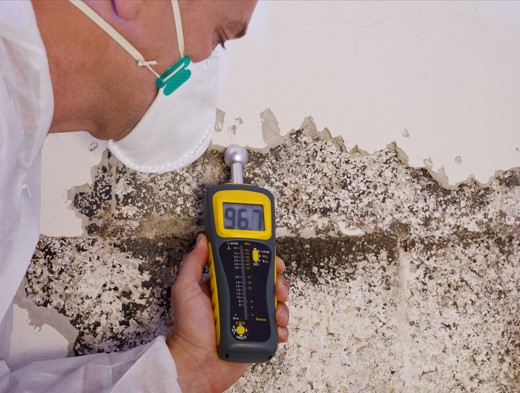
- Moisture detection in walls, ceilings, and flooring
- Inspection of attics, crawl spaces, and duct systems
- Identifying sources of water intrusion
- Air or surface sampling when necessary
This process helps ensure that mold problems are identified accurately and addressed effectively.
Why Mold Is Common in Lauderdale-by-the-Sea Homes
Coastal homes face environmental factors that make mold more likely to develop. These include:
- High humidity levels throughout the year
- Warm indoor temperatures
- Frequent rain and storms
- Salt air that holds moisture
- Air conditioning systems running for long periods
Homes in nearby communities such as Fort Lauderdale, Pompano Beach, and Lighthouse Point experience similar conditions, making mold inspection an important part of routine home maintenance in Broward County.
Common Causes of Mold Growth
Understanding the causes of mold helps property owners prevent future problems.
Roof Leaks
Storms and heavy rain can damage roofing materials, allowing water to enter attic spaces and ceilings.
Plumbing Leaks
Leaks under sinks, behind walls, or near appliances can create damp conditions ideal for mold growth.
AC Condensation
Air conditioning systems produce condensation, and clogged drain lines or poor airflow can allow moisture to accumulate.
Poor Ventilation
Bathrooms, kitchens, and laundry rooms generate humidity that can remain trapped without proper ventilation.
Flooding or Water Intrusion
Storm surge, heavy rainfall, or drainage problems can introduce water into living spaces.
Signs That Mold Inspection May Be Needed
Mold is not always visible, but several warning signs may indicate a problem:
- Musty or damp odors
- Water stains on ceilings or walls
- Peeling paint or bubbling drywall
- Warped flooring or baseboards
- Increased indoor humidity
These signs often appear gradually, especially when mold is hidden behind surfaces.
Hidden Areas Where Mold Often Develops
Some of the most serious mold problems occur in areas homeowners rarely inspect.
Common hidden locations include:
- Inside wall cavities
- Beneath carpets or flooring
- Attic insulation and roof decking
- Around air handlers and ducts
- Behind cabinets or appliances
Because these areas are enclosed, moisture can remain trapped long enough for mold colonies to grow undetected.
Why DIY Mold Inspection Often Misses Problems
Many homeowners rely on visual checks or home testing kits, but these methods often fail to detect hidden mold.
DIY inspections may miss problems because:
- Mold may be growing behind walls
- Moisture sources may not be visible
- Air quality issues cannot be evaluated accurately
- Surface testing alone does not reveal the full extent of contamination
Professional inspections use specialized equipment to detect moisture and hidden growth.
Professional Mold Inspection Process
A thorough mold inspection follows several important steps.
Step 1: Visual Assessment
Technicians inspect areas prone to moisture, including ceilings, bathrooms, kitchens, and attics.
Step 2: Moisture Detection
Moisture meters and thermal imaging help identify damp materials and hidden leaks.
Step 3: Air Quality Evaluation
Air sampling may be performed to measure mold spore levels indoors compared to outdoor air.
Step 4: Source Identification
Locating the moisture source is essential to preventing mold from returning.
Companies such as Pompano Mold Inspection and Testing often perform these inspections in Lauderdale-by-the-Sea to help homeowners understand the condition of their homes and prevent long-term damage.
Solutions After Mold Is Detected
Once mold or excessive moisture is identified, several solutions may be recommended depending on the severity of the problem.
Moisture Control
Fixing leaks, improving ventilation, and reducing humidity help eliminate conditions that allow mold to grow.
Mold Remediation
If mold is present, affected materials may need to be cleaned, treated, or removed to stop contamination from spreading.
Structural Drying
Industrial drying equipment removes moisture from walls, ceilings, and flooring.
Air Duct Cleaning
If mold or moisture has affected HVAC systems, cleaning ducts helps restore indoor air quality.
These solutions work together to restore safe conditions and prevent recurrence.
Water Damage Repair and Restoration
Mold problems are often linked to water damage. Restoration may include:
- Repairing drywall and insulation
- Replacing damaged flooring
- Sealing and repainting surfaces
- Addressing roof or plumbing issues
Proper restoration ensures that moisture problems are fully resolved rather than temporarily hidden.
Preventing Mold in Lauderdale-by-the-Sea Homes
Preventative maintenance is one of the most effective ways to reduce mold risk.
Homeowners can:
- Inspect roofs and plumbing regularly
- Maintain HVAC systems and drain lines
- Use exhaust fans in bathrooms and kitchens
- Monitor indoor humidity levels
- Schedule periodic moisture inspections
Routine checks help identify small issues before they become major problems.
Why Local Experience Matters
Mold inspection in coastal environments requires knowledge of local conditions. Professionals familiar with Lauderdale-by-the-Sea understand:
- How coastal humidity affects drying times
- Common construction methods in Broward County homes
- Storm-related moisture intrusion patterns
- HVAC and duct moisture issues typical in coastal properties
This experience helps ensure inspections and solutions are effective.
A Practical Next Step for Property Owners
Mold problems often begin quietly but can spread quickly if moisture is not controlled. Scheduling a professional inspection when early signs appear helps protect the structure of the home and maintain healthy indoor air quality.
Homeowners and property managers in Lauderdale-by-the-Sea often rely on experienced local providers such as Pompano Mold Inspection and Testing to identify moisture problems, perform detailed inspections, and recommend practical solutions. Acting early helps prevent costly repairs and keeps homes comfortable and safe year-round.