
Mold Inspection Solutions for Homes in Margate: Understanding the Process
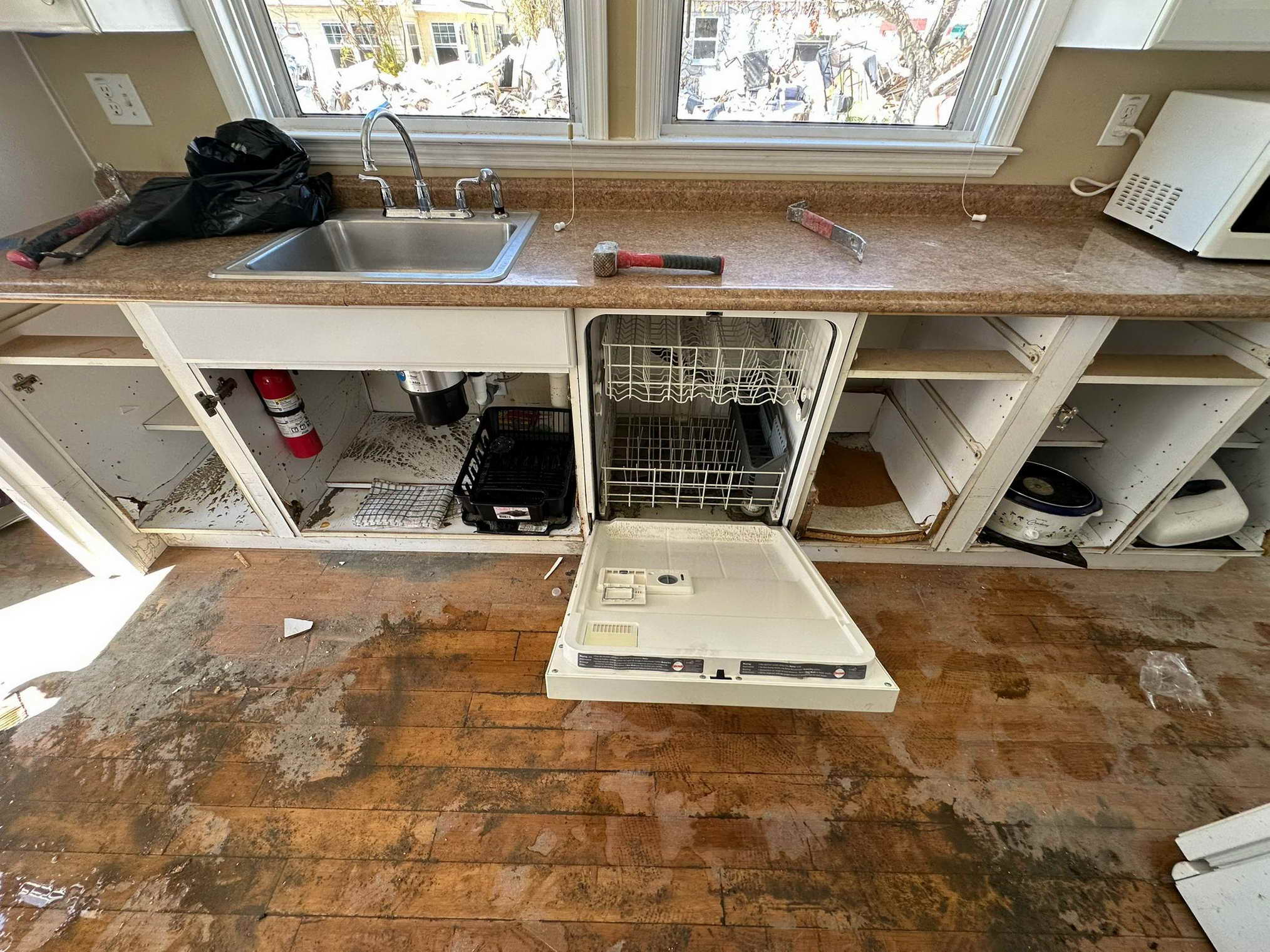
Mold growth is a common concern for homeowners in Margate, Florida, particularly after periods of heavy rain or in homes with high humidity and poor ventilation. Even minor moisture intrusion can trigger mold growth behind walls, in attics, or within HVAC systems. Left unchecked, mold not only damages property but also impacts indoor air quality and health. This makes professional mold inspection solutions essential for detecting hidden mold, identifying the source of moisture, and preventing long-term damage.
This guide explains how mold inspections work in Margate homes, the steps involved, and what homeowners can expect from professional services.
Why Mold Inspections Are Crucial in Margate
Margate homes face several environmental factors that make them susceptible to mold:
- High humidity year-round, which encourages microbial growth.
- Frequent rainstorms, leading to water intrusion in basements, crawl spaces, and roofs.
- Older construction with aging plumbing or insulation systems.
- Coastal air, which can contribute to condensation and dampness inside homes.
Even small, unnoticed leaks can create hidden mold growth that spreads quickly. Professional mold inspection helps detect these issues before they cause structural damage or health problems.
Early Signs of Mold in Margate Homes
Homeowners may notice the following indicators before mold becomes widespread:
- Musty or stale odors
- Water stains or discoloration on walls and ceilings
- Peeling paint or wallpaper
- Warped flooring or baseboards
- Allergy-like symptoms indoors, including coughing or sneezing
- Mold appearing around AC vents, windows, or plumbing fixtures
Recognizing these signs early can prevent more extensive damage and costly remediation.
Step-by-Step Mold Inspection Process
A professional mold inspection is more than a visual check. It follows a systematic process designed to locate hidden mold, identify moisture sources, and assess indoor air quality.
1. Initial Consultation and Home Assessment
The process begins with a homeowner interview and property assessment. Technicians gather information on:
- Recent water damage or leaks
- Areas of high humidity
- Previous mold issues
- HVAC system history
This helps target inspection efforts effectively.
2. Visual Inspection
Inspectors examine key areas for visible mold or signs of moisture:
- Walls, ceilings, and floors
- Attics and crawl spaces
- Bathrooms, kitchens, and laundry areas
- HVAC systems, ducts, and air vents
- Around windows, doors, and plumbing
They look for discoloration, staining, peeling materials, or condensation.
3. Moisture Detection
Hidden mold often develops behind walls or under flooring. Moisture meters and thermal imaging cameras are used to:
- Detect elevated moisture levels inside walls, ceilings, and floors
- Identify cold spots where condensation may occur
- Locate hidden leaks that may fuel mold growth
Moisture detection is critical to prevent mold recurrence after cleanup.
4. Air Sampling
When mold is suspected but not visible, air sampling is conducted to measure:
- Mold spore concentration in indoor air
- Comparison with outdoor air levels
- Potential contamination in HVAC systems
Air testing confirms whether hidden mold is affecting indoor air quality.
5. Surface Sampling
In some cases, inspectors collect swab or tape samples from walls, ceilings, or duct surfaces to determine:
- Mold type
- Extent of growth
- Potential health risks
This helps create a targeted remediation plan.
6. Source Identification
Identifying the source of moisture is essential. Mold inspections often pinpoint:
- Roof leaks
- Plumbing leaks or condensation
- Poor ventilation in bathrooms or attics
- AC drain line overflow or duct condensation
- Foundation or crawl space water intrusion
Without addressing the root cause, mold can quickly return after cleaning.
7. Inspection Report and Recommendations
After completing the inspection, homeowners receive a detailed report including:
- Areas affected by moisture or mold
- Test results and spore counts
- Recommended remediation and preventive measures
- Priority level for urgent repairs
This report provides a roadmap for safe and effective mold removal.
Benefits of Professional Mold Inspection
- Early Detection: Identifies mold before it becomes visible or widespread.
- Health Protection: Reduces exposure to allergens and respiratory irritants.
- Property Preservation: Prevents structural damage to walls, floors, and ceilings.
- Accurate Assessment: Confirms whether mold is present, type, and severity.
- Insurance Support: Provides documentation for claims or property disclosure.
Preventive Measures After Inspection
Once mold is identified and addressed, homeowners can reduce future risk by:
- Repairing leaks and addressing moisture intrusion
- Improving ventilation in attics, bathrooms, and kitchens
- Regularly cleaning and maintaining HVAC systems
- Controlling indoor humidity with dehumidifiers
- Scheduling periodic inspections during humid seasons
These steps are particularly important in Margate, where high humidity and heavy rainfall are common.
When to Schedule a Mold Inspection
Professional mold inspection is recommended if you notice:
- Musty odors or visible mold
- Water stains after rain
- Increased allergy symptoms indoors
- HVAC system moisture or leaks
- Previous water damage that was not fully addressed
Prompt inspection prevents hidden mold from causing long-term damage.
Final Thoughts
Mold inspections are a critical step for Margate homeowners dealing with moisture-related concerns. By identifying hidden mold, locating the source of moisture, and providing actionable recommendations, professional inspection services protect your home’s structure, indoor air quality, and long-term value.
Mold growth is a common concern for homeowners in Margate, Florida, particularly after periods of heavy rain or in homes with high humidity and poor ventilation. Even minor moisture intrusion can trigger mold growth behind walls, in attics, or within HVAC systems. Left unchecked, mold not only damages property but also impacts indoor air quality and health. This makes professional mold inspection solutions essential for detecting hidden mold, identifying the source of moisture, and preventing long-term damage.
This guide explains how mold inspections work in Margate homes, the steps involved, and what homeowners can expect from professional services.
Poor ventilation is a major contributor to mold problems in Deerfield Beach homes. With South Florida’s high humidity and warm temperatures, air that isn’t circulating properly allows moisture to build up indoors—especially in bathrooms, kitchens, attics, closets, and around HVAC systems. Over time, that trapped moisture creates the perfect environment for mold growth, often hidden from plain sight.
Professional mold inspection and testing play a critical role in identifying these issues early, protecting indoor air quality, and preventing long-term damage caused by ventilation-related moisture.
Understanding the process empowers homeowners to act quickly, prevent mold spread, and maintain a safe, healthy living environment.A professional mold inspection is more than a visual check. It follows a systematic process designed to locate hidden mold, identify moisture sources, and assess indoor air quality.
