
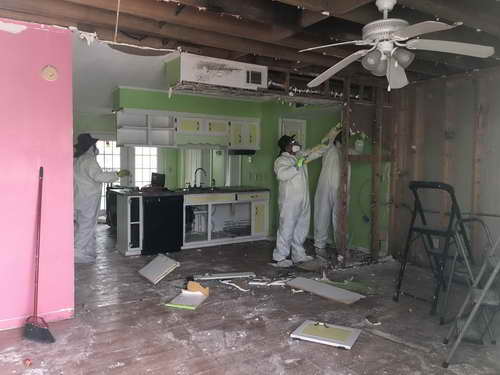

Mold Remediation in Deerfield Beach: Inspection and Repair Guide
Mold remediation is a common need for homes in Deerfield Beach due to the area’s humidity, frequent rain, and heavy reliance on air conditioning. Mold rarely appears overnight. It usually develops quietly after moisture problems go unnoticed, spreading behind walls, above ceilings, or inside duct systems. Understanding how mold remediation works—from inspection through repair—helps homeowners address problems properly and avoid repeated damage.
In South Florida, mold remediation is not just about removing visible growth. It is about identifying moisture sources, correcting them, and restoring the home safely.
What Mold Remediation Really Means
Mold remediation is a structured process designed to remove mold and prevent it from returning. It goes beyond surface cleaning and focuses on addressing the conditions that allowed mold to develop.
Effective remediation includes inspection, moisture detection, removal of affected materials when necessary, cleaning of impacted areas, and correction of moisture issues. Without moisture control, mold remediation does not last.
In Deerfield Beach homes, remediation often involves areas that are hidden from view, making proper inspection essential.
Why Mold Is Common in Deerfield Beach Homes
Deerfield Beach experiences high humidity throughout the year, which slows drying and allows moisture to linger. Heavy seasonal rain and storms introduce water through roofs, exterior walls, windows, and doors.
Air conditioning systems also contribute. Clogged condensate drain lines, leaking drain pans, and poorly insulated ductwork often introduce moisture into ceilings and walls. Over time, these conditions create environments where mold can grow undetected.
Nearby areas such as Pompano Beach, Lighthouse Point, and Fort Lauderdale face similar challenges, but coastal exposure and flat terrain often make moisture control more difficult in Deerfield Beach homes.
Early Warning Signs Mold Remediation May Be Needed
Mold problems usually provide early warning signs. A persistent musty or earthy odor is often the first indicator that mold or moisture is present.
Homeowners may notice discoloration on walls or ceilings, peeling paint, bubbling drywall, or stains that return after cleaning. Warped baseboards, soft drywall, or damp flooring are additional warning signs.
These symptoms suggest that moisture has been present long enough to support mold growth.
Hidden Areas Where Mold Often Develops
Some of the most serious mold growth occurs out of sight. Wall cavities near plumbing lines or exterior walls are common problem areas, especially after leaks or storms.
Attics are another frequent source of mold in Deerfield Beach homes. Roof leaks, poor ventilation, and AC drain line issues allow moisture to accumulate above living spaces. Damp insulation and roof decking support mold growth without obvious signs indoors.
Duct systems can also harbor mold when condensation forms inside ductwork or insulation, allowing mold to spread throughout the home as air circulates.
Why Inspection Is the First Step
Mold remediation always begins with inspection. The goal is to identify where mold is present, why it developed, and how far it has spread.
Inspection includes a visual assessment of affected areas and moisture detection to locate damp materials inside walls, ceilings, and floors. Moisture meters and thermal imaging help identify hidden moisture without unnecessary demolition.
In Deerfield Beach homes, inspections often focus on attics, slab edges, exterior walls, plumbing areas, and HVAC components.
Role of Moisture Detection in Mold Remediation
Moisture detection is critical to successful remediation. Mold cannot grow without moisture, so identifying damp areas is essential.
Moisture meters measure water content inside materials, while thermal imaging highlights temperature differences that often indicate moisture. These tools reveal problems that are not visible during routine inspections.
Early moisture detection allows targeted drying and repairs before mold spreads further.
When Mold Testing May Be Helpful
Mold testing is not always required, but it can be useful in certain situations. Testing may be recommended when mold is suspected but not visible, or when documentation is needed to guide remediation decisions.
Testing is most effective when guided by inspection findings. Random testing without understanding moisture conditions often produces misleading results.
Inspection and moisture detection should always come first.
Understanding the Mold Remediation Process
Once inspection is complete, remediation focuses on removing mold and correcting moisture issues. Containment measures are used to prevent mold from spreading during the process.
Affected materials that cannot be cleaned effectively, such as severely damaged drywall or insulation, may need to be removed. Remaining surfaces are cleaned using appropriate methods.
Drying affected areas thoroughly is a critical part of remediation. Without proper drying, mold is likely to return.
Repairing Mold-Damaged Materials
After remediation and drying, repairs restore the home. This may include replacing drywall, insulation, baseboards, flooring, or cabinets that were removed during remediation.
Repairs should only begin after moisture levels are confirmed to be safe. Rebuilding over damp materials traps moisture and often leads to recurring mold problems.
Repair work also addresses vulnerabilities that allowed moisture intrusion, such as leaks or ventilation issues.
Connection Between Mold Remediation and Water Damage Repair
Mold remediation is often closely tied to water damage repair. Leaks, flooding, and condensation problems frequently cause both water damage and mold growth.
Water removal, drying, and repair ensure materials return to safe moisture levels. Mold remediation addresses any mold that developed during the moisture event.
Handling both issues together provides more reliable long-term results.
Role of AC Systems in Mold Problems
Air conditioning systems play a major role in mold development. Condensation from clogged drain lines, leaking drain pans, or restricted airflow introduces moisture into ceilings and walls.
Inspecting and repairing AC components is often a key part of mold remediation in Deerfield Beach homes. Proper airflow and humidity control help prevent future mold growth.
Maintaining AC systems supports both comfort and moisture management.
Preventing Mold from Returning
Preventing mold starts with moisture control. Repair plumbing leaks promptly and inspect roofs regularly, especially after storms.
Improve ventilation in bathrooms, kitchens, and laundry areas to reduce humidity. Monitor indoor humidity levels and address condensation early.
Regular inspections of attics, ceilings, and AC components help catch moisture issues before mold develops.
Importance of Post-Storm Inspections
After heavy rain or storms, early inspection is critical. Moisture may enter homes in ways that are not immediately visible.
Post-storm inspections help identify damp materials before mold growth begins. Early drying and targeted repairs significantly reduce the need for remediation later.
In Deerfield Beach’s climate, proactive inspections are one of the most effective prevention strategies.
Why Local Experience Matters
Mold remediation in Deerfield Beach requires local knowledge. Florida’s humidity, rainfall patterns, and residential construction styles all influence how moisture and mold behave inside homes. Local experience helps identify common trouble spots and apply remediation methods suited to Broward County conditions.
Pompano Mold Inspection and Testing brings that local expertise to mold remediation, mold inspection, moisture detection, and water damage services throughout Deerfield Beach, Pompano Beach, Lighthouse Point, Margate, Coconut Creek, North Lauderdale, Fort Lauderdale, and surrounding Broward County communities.
A Practical Guide for Homeowners
Mold remediation is most effective when it begins with proper inspection and ends with moisture control. For Deerfield Beach homeowners, understanding the process helps set realistic expectations and prevents repeat problems. With thorough inspection, targeted remediation, and proper repairs, homes can recover safely and remain better protected against future moisture-related issues.
