
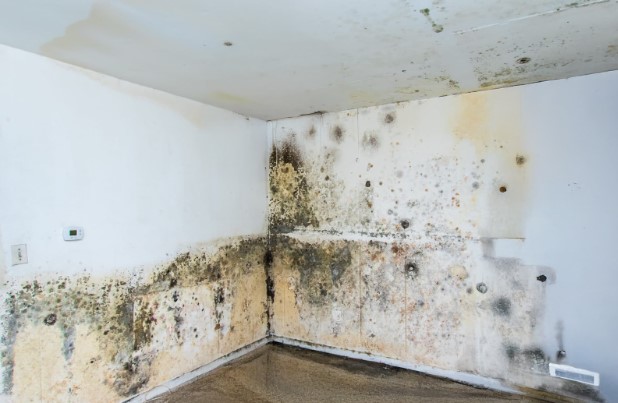
Mold Remediation Services in Lighthouse Point After Storm Damage: Risks and Prevention Methods
Storm damage is a familiar concern for homeowners in Lighthouse Point. Heavy rain, coastal humidity, storm surge, and occasional flooding create the perfect environment for mold growth inside homes and light commercial properties. What often starts as minor water intrusion can quickly escalate into a serious mold problem if not addressed promptly and professionally.
This article explains why mold becomes such a major risk after storms, how mold remediation services work in Lighthouse Point, and—most importantly—what prevention methods homeowners can use to reduce future mold issues.
Why Storm Damage Leads to Mold Growth in Lighthouse Point
Storms introduce moisture in ways that aren’t always visible right away. Roof leaks, wind-driven rain, rising groundwater, and overwhelmed drainage systems all contribute to moisture intrusion. In Lighthouse Point’s warm and humid climate, mold doesn’t need much time to take hold.
Mold spores are already present in the air. Once moisture enters walls, ceilings, flooring, or HVAC systems, those spores settle and begin growing—often within 24 to 48 hours after water exposure.
Common Storm-Related Moisture Sources
- Roof damage from high winds
- Water intrusion through windows and doors
- Flooding or pooling water near foundations
- Saturated insulation in attics or wall cavities
- HVAC systems pulling in humid air after storms
The challenge is that mold frequently grows out of sight, behind drywall or under flooring, long before it becomes obvious to occupants.
Health and Structural Risks of Post-Storm Mold
Ignoring mold after storm damage isn’t just a cosmetic issue. It can create both health concerns and long-term structural damage.
Health Risks
Mold exposure can cause:
- Persistent coughing or sneezing
- Eye, nose, and throat irritation
- Worsened asthma symptoms
- Headaches or fatigue
- Allergic reactions in sensitive individuals
Children, elderly residents, and people with respiratory conditions are particularly vulnerable.
Property Damage Risks
From a structural standpoint, mold feeds on organic materials such as wood, drywall, and insulation. Over time, this can lead to:
- Weakening of framing and subfloors
- Crumbling drywall and ceiling materials
- Persistent musty odors
- Reduced indoor air quality
- Lower property value during resale
Once mold becomes established, simple cleaning is rarely enough.
What Professional Mold Remediation Services Involve
Mold remediation is a systematic, controlled process designed to remove mold safely while preventing cross-contamination. Reputable mold remediation services in Lighthouse Point follow industry standards rather than quick surface-level fixes.
Step 1: Mold Inspection and Damage Assessment
The process begins with a detailed inspection to:
- Identify visible and hidden mold growth
- Determine the extent of moisture intrusion
- Locate the original water source
- Assess whether structural materials are affected
Advanced tools like moisture meters and thermal imaging are often used to find moisture behind walls and ceilings.
Step 2: Containment of Affected Areas
Before removal begins, containment barriers are installed to prevent mold spores from spreading to clean areas of the property. This typically includes:
- Plastic sheeting and sealed doorways
- Negative air pressure systems
- HEPA-filtered air scrubbers
Containment is critical, especially in occupied homes.
Step 3: Mold Removal and Material Disposal
Depending on severity:
- Non-porous surfaces are cleaned and treated
- Porous materials like drywall or insulation may be removed
- Damaged carpets or padding are disposed of safely
All mold-contaminated debris is sealed and removed following proper handling procedures.
Step 4: Cleaning and Air Filtration
Once visible mold is removed:
- HEPA vacuums clean residual spores
- Surfaces are sanitized using professional-grade solutions
- Air scrubbers continue filtering airborne particles
This step improves indoor air quality and reduces the chance of regrowth.
Step 5: Drying and Moisture Control
Drying is non-negotiable. Without proper moisture control, mold will return.
- Industrial dehumidifiers remove excess humidity
- Air movers dry structural components
- Moisture levels are monitored until safe thresholds are reached
Only after the structure is fully dry is remediation considered complete.
Why DIY Mold Cleanup Often Fails After Storms
Homeowners sometimes attempt to clean visible mold themselves using household products. While this might remove surface discoloration, it rarely addresses the underlying issue.
DIY methods typically fail because:
- Hidden mold behind walls remains untreated
- Moisture sources aren’t fully corrected
- Improper cleaning spreads spores
- Inadequate protective equipment increases exposure risk
After storm damage, mold problems are rarely superficial.
Prevention Methods to Reduce Mold Risk After Storms
The best mold remediation is prevention. While storms can’t be avoided, mold growth can often be minimized with proactive steps.
1. Act Fast After Storm Damage
Time is critical.
- Dry wet areas within 24–48 hours
- Remove standing water immediately
- Use dehumidifiers and fans early
Delays dramatically increase mold risk.
2. Inspect Vulnerable Areas Regularly
After major storms, inspect:
- Attics for roof leaks
- Crawl spaces for moisture buildup
- Window frames and door seals
- Baseboards and lower wall sections
Early detection prevents small issues from becoming major remediation projects.
3. Control Indoor Humidity Year-Round
Humidity control is essential in Lighthouse Point’s climate.
- Keep indoor humidity below 55%
- Use dehumidifiers during humid months
- Ensure HVAC systems are functioning efficiently
Consistent humidity control makes mold growth far less likely.
4. Improve Drainage and Exterior Protection
Exterior water management plays a major role.
- Keep gutters clear
- Ensure downspouts direct water away from the foundation
- Seal exterior cracks and gaps
- Grade soil to slope away from the home
Preventing water entry reduces interior mold risk.
5. Address HVAC and Ventilation Issues
Storms often impact HVAC performance.
- Replace saturated filters
- Inspect ductwork for moisture
- Ensure bathrooms and kitchens vent outdoors
- Avoid recirculating humid air
HVAC systems can unintentionally distribute mold spores if compromised.
When to Call Mold Remediation Professionals
You should consider professional mold remediation services in Lighthouse Point if:
- Mold is visible after storm damage
- Musty odors persist despite drying
- Water intrusion affected walls or ceilings
- Occupants experience unexplained health symptoms
- The affected area exceeds small surface spots
Professional remediation protects both health and property value.
Long-Term Benefits of Professional Mold Remediation
Investing in proper mold remediation after storm damage offers long-term advantages:
- Improved indoor air quality
- Reduced health risks
- Preservation of structural integrity
- Lower chances of mold recurrence
- Increased confidence during property resale
Cutting corners may save money short-term but often leads to recurring problems and higher costs later.
Final Thoughts
Storm damage in Lighthouse Point creates an environment where mold can thrive quickly and quietly. Understanding the risks, responding promptly, and using professional mold remediation services when needed can make the difference between a manageable repair and a long-term structural and health issue.
By combining professional remediation with smart prevention methods, homeowners can protect their properties, maintain healthy indoor environments, and reduce the impact of future storms.
