
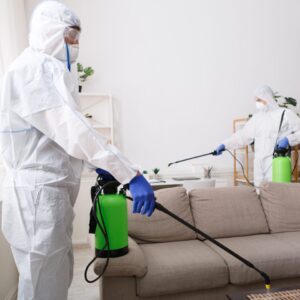
Mold Remediation Solutions for Homes in Fort Lauderdale: Practical Tips That Work
Fort Lauderdale, Florida, is famous for its tropical climate, sunny beaches, and vibrant residential communities. While these conditions are attractive, they also create an environment highly conducive to mold growth. High humidity, frequent rain, and occasional flooding provide the moisture necessary for mold to thrive in homes.
For homeowners, mold is not just an aesthetic issue—it is a health hazard and a threat to property value. Understanding effective mold remediation solutions is essential for protecting both the home and its residents. This guide provides comprehensive insights into causes, detection, professional remediation techniques, prevention, and long-term care.
1. Understanding Mold in Fort Lauderdale Homes
Mold is a type of fungus that reproduces via spores, which can be found almost everywhere, including indoors. However, when moisture accumulates in walls, ceilings, crawl spaces, or HVAC systems, mold can grow rapidly, leading to contamination.
Common Mold Types
- Cladosporium: Found on wood and fabrics; common indoors
- Aspergillus: Often grows on damp materials like drywall
- Stachybotrys (Black Mold): Produces mycotoxins and thrives on cellulose-rich materials in high humidity
- Penicillium: Grows on water-damaged carpets, wallpaper, and insulation
Understanding the type of mold helps determine the appropriate remediation strategy.
2. Causes of Mold Growth in Fort Lauderdale
Several environmental and structural factors contribute to mold growth:
A. High Humidity
- Fort Lauderdale’s average annual humidity is often above 70%
- Warm, moist conditions accelerate mold proliferation on walls, ceilings, and furniture
B. Water Intrusion
- Roof leaks, broken pipes, flooding, or poorly sealed windows allow water into homes
- Water may penetrate hidden spaces, creating ideal conditions for mold behind drywall or under floors
C. Poor Ventilation
- Bathrooms, kitchens, and attics without proper ventilation trap moisture
- Lack of airflow prevents surfaces from drying completely
D. HVAC Issues
- Condensation from air conditioners and uninsulated ducts can create hidden damp spots
- Dirty filters and clogged drip pans promote mold growth
E. Flooding and Storm Damage
- Coastal homes often experience floodwater intrusion
- Flooded subfloors, crawl spaces, and basements are prime breeding grounds for mold
3. Health Risks Associated with Mold Exposure
Mold spores pose serious health risks, especially in enclosed indoor environments:
- Allergic reactions: sneezing, itchy eyes, nasal congestion
- Respiratory problems: coughing, wheezing, asthma flare-ups
- Skin irritation: rashes or hives from direct contact
- Chronic symptoms: fatigue, headaches, sinus infections
- Toxicity: prolonged exposure to black mold may cause neurological and immune system issues
Early detection and remediation are essential for protecting residents’ health.
4. Signs of Mold in Fort Lauderdale Homes
Property owners should be vigilant for these indicators:
- Musty odors that persist despite cleaning
- Discoloration on walls, ceilings, or floors
- Peeling paint or wallpaper
- Warping or sagging drywall
- Health symptoms in occupants, especially allergies or respiratory distress
- Visible mold growth in bathrooms, kitchens, attics, or basements
Hidden mold may not be immediately visible, emphasizing the need for inspection tools or professional assessment.
5. Mold Remediation Process
Professional mold remediation is a systematic process designed to safely remove mold and prevent regrowth:
A. Inspection and Assessment
- Identify affected areas and the type of mold
- Use moisture meters and thermal imaging to detect hidden damp spots
- Determine the source of moisture to prevent future contamination
B. Containment
- Seal off contaminated areas using plastic sheeting and negative air pressure
- Prevent spores from spreading to clean areas
C. Removal of Contaminated Materials
- Porous materials such as drywall, insulation, carpets, and ceiling tiles may need to be discarded
- Non-porous surfaces like metal, tile, and glass are cleaned and sanitized
D. Cleaning and Sanitization
- Scrub walls, floors, and structural components with detergents and antimicrobial solutions
- Sanitize HVAC systems to prevent spores from circulating
E. Drying
- Industrial dehumidifiers and air movers remove remaining moisture
- Hidden cavities, wall voids, and crawl spaces are thoroughly dried
F. Post-Remediation Verification
- Moisture levels are measured to ensure the area is dry
- Air and surface samples may be taken to confirm mold removal
Following these steps ensures a comprehensive solution, reducing the risk of recurring mold.
6. DIY vs. Professional Mold Remediation
While small, localized mold patches may be addressed with DIY methods, professional services are recommended for:
- Mold covering more than 10 square feet
- Hidden mold behind walls, under floors, or inside HVAC systems
- Black mold (Stachybotrys) or toxic species
- Recurring moisture issues that homeowners cannot resolve
Professional remediation ensures safety, thorough cleaning, and long-term prevention.
7. Costs of Mold Remediation in Fort Lauderdale
Remediation costs vary based on extent of infestation, home size, and mold type:
| Scope of Mold Damage | Approximate Cost (USD) |
|---|---|
| Small area (<10 sq. ft.) | $500 – $1,500 |
| Moderate area (10–50 sq. ft.) | $1,500 – $5,000 |
| Extensive mold (>50 sq. ft.) | $5,000 – $15,000+ |
| Hidden mold inside walls/ceilings | $7,000 – $20,000+ |
Costs include inspection, containment, removal, drying, cleaning, and sometimes minor repairs.
8. Preventive Measures for Fort Lauderdale Homes
Preventing mold growth is the most cost-effective approach:
A. Control Indoor Humidity
- Use dehumidifiers and air conditioning to maintain relative humidity below 50%
- Ensure proper ventilation in bathrooms, kitchens, and laundry areas
B. Repair Leaks Promptly
- Address roof, window, plumbing, and appliance leaks immediately
C. Maintain HVAC Systems
- Clean and replace air filters regularly
- Inspect and clean AC drip pans and ducts
D. Use Mold-Resistant Materials
- In humid areas, consider mold-resistant drywall, paints, and insulation
E. Flood Preparedness
- Elevate valuables and furniture in flood-prone areas
- Seal doors, windows, and foundations against stormwater intrusion
F. Regular Home Inspections
- Check for water stains, condensation, and hidden leaks
- Professional inspections every 1–2 years help detect mold early
9. Post-Remediation Home Care
After mold removal:
- Keep indoor humidity low using dehumidifiers
- Inspect for water leaks periodically
- Clean surfaces with mild detergents and avoid water accumulation
- Maintain ventilation in enclosed spaces like attics and basements
Proper post-remediation care prevents mold recurrence and preserves indoor air quality.
10. Choosing a Professional Mold Remediation Service
When hiring a remediation company in Fort Lauderdale:
- Verify licensing, insurance, and certifications (IICRC, NADCA)
- Check experience with coastal homes and high-humidity environments
- Confirm containment, cleaning, drying, and post-remediation testing
- Ask for references and online reviews
Professional services guarantee safe, thorough, and long-lasting mold remediation.
11. Conclusion
Mold in Fort Lauderdale homes is a serious concern due to the city’s humid climate, frequent storms, and coastal location. Effective mold remediation is crucial for:
- Protecting health from allergens, respiratory problems, and toxic mold
- Preventing structural damage to walls, floors, and HVAC systems
- Improving indoor air quality
- Avoiding recurring infestations
Homeowners should act quickly when mold is detected, use professional services for large or hidden infestations, and implement preventive strategies such as moisture control, regular inspections, and proper ventilation.
By combining prompt remediation, professional expertise, and preventive measures, Fort Lauderdale property owners can maintain safe, healthy, and mold-free homes.
