
Mold Remediation Solutions for Homes in Fort Lauderdale: Warning Signs and Prevention Tips
Mold is a common concern for homeowners in Fort Lauderdale, and it rarely appears without warning. In South Florida’s humid climate, mold typically develops slowly as moisture builds up behind walls, under flooring, or inside HVAC systems. By the time growth is visible, conditions have often been present for weeks or longer. Understanding the early warning signs and knowing how prevention works can help homeowners limit damage and avoid more extensive remediation.
Why Mold Is So Common in Fort Lauderdale Homes
Fort Lauderdale’s year-round humidity creates constant moisture pressure on homes. Heavy rain, tropical storms, and frequent downpours introduce water through roofs, windows, and exterior walls. Air conditioning systems run almost nonstop, producing condensation that must drain properly.
Slab foundations and tight construction slow natural drying once moisture enters. Even small leaks or condensation issues can linger long enough to support mold growth without obvious flooding or visible water damage.
Early Warning Signs You Should Not Ignore
Mold problems often announce themselves subtly. One of the earliest indicators is a persistent musty or earthy odor, especially noticeable when the AC is running.
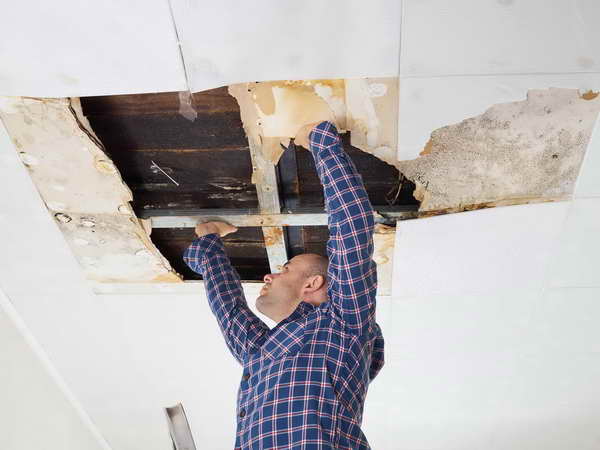
Homeowners may also notice bubbling or peeling paint, faint discoloration on walls or ceilings, or baseboards that begin to warp. Some rooms may feel damp or uncomfortable even at normal temperatures. These signs usually indicate hidden moisture rather than surface-level issues.
Ignoring these early clues allows mold to spread further into the structure.
Changes in Indoor Comfort and Airflow
Another overlooked warning sign is a change in how the home feels. Indoor humidity may seem harder to control, and air can feel heavy or stale.
The AC may run longer than usual without improving comfort. Odors may linger despite cleaning. These changes often point to moisture buildup inside walls, ceilings, or ductwork where mold can develop out of sight.
Comfort issues are often tied to moisture problems, not just temperature settings.
Common Hidden Areas Where Mold Develops
In Fort Lauderdale homes, mold frequently grows in places that are not easily visible. Wall cavities along exterior walls absorb wind-driven rain and humid air. Attics may trap moisture from roof seepage combined with poor ventilation.
Bathrooms and kitchens with limited exhaust ventilation are frequent trouble spots. HVAC systems and ductwork can also harbor mold when condensation is present or insulation is compromised.
Because these areas are concealed, professional inspection is often needed to locate the source.
Why Surface Cleaning Is Not a Solution
Wiping visible mold or repainting affected areas does not address the underlying problem. Mold grows into porous materials such as drywall, wood, and insulation, where surface cleaning cannot reach.
Without removing contaminated materials and correcting moisture conditions, mold will return. Effective remediation focuses on containment, thorough removal, and moisture control—not cosmetic fixes.
Surface treatments alone delay proper resolution and often lead to repeat issues.
How Professional Mold Remediation Works
Mold remediation begins with a detailed inspection and moisture assessment. Moisture detection tools help identify damp areas behind walls, under floors, and above ceilings.
Affected areas are contained to prevent spread during remediation. Materials that cannot be safely cleaned are removed, while remaining surfaces are treated using appropriate methods. HEPA filtration is typically used to control airborne particles during the process.
Drying and moisture correction are verified before repairs or restoration are completed.
Addressing Moisture Is the Key to Long-Term Success
Mold remediation is only effective when the moisture source is resolved. In Fort Lauderdale homes, this often means repairing AC drain lines, improving duct insulation, fixing plumbing leaks, or addressing roof and window vulnerabilities.
Ventilation improvements and humidity control help stabilize indoor conditions. Without moisture correction, mold is likely to return—even after professional removal.
Moisture control is the foundation of prevention.
Practical Prevention Tips for Fort Lauderdale Homes
Prevention starts with regular maintenance. AC systems should be inspected routinely to ensure condensate drains are clear and components are functioning properly.
Plumbing should be checked for slow leaks, especially in older homes. Roofs, windows, and exterior seals should be maintained to prevent water intrusion during storms. Using exhaust fans in kitchens and bathrooms helps reduce indoor humidity.
Monitoring indoor humidity and responding quickly to odors or stains prevents small issues from becoming major problems.
When to Consider Professional Evaluation
Professional evaluation is recommended whenever early warning signs persist, after water damage, or when unexplained humidity or odors continue despite normal maintenance.
Early assessment provides clarity and helps homeowners avoid unnecessary repairs while addressing real issues promptly. Acting sooner often reduces the scope and cost of remediation.
Why Local Experience Matters in Fort Lauderdale
Mold behavior in South Florida differs from other regions. Professionals familiar with Fort Lauderdale understand how local weather, slab foundations, and HVAC systems influence moisture movement.
Local experience ensures remediation strategies are appropriate and effective. Companies like Pompano Mold Inspection and Testing bring regional knowledge when evaluating and addressing mold concerns in Fort Lauderdale and surrounding Broward County communities.
Staying Ahead of Mold Problems
Mold remediation is most effective when problems are identified early and moisture is controlled consistently. Paying attention to warning signs, maintaining systems, and acting promptly protects both the structure and indoor comfort.
For Fort Lauderdale homeowners, understanding mold remediation solutions and prevention tips is one of the most practical ways to safeguard a home in a humid, storm-prone climate.
