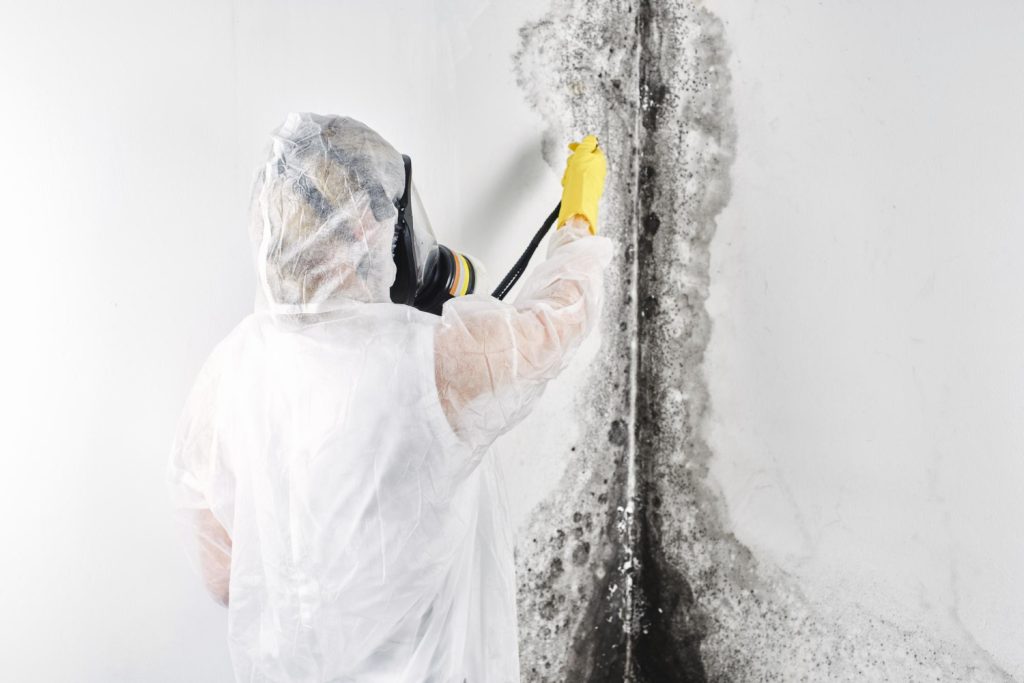
Mold Removal in Deerfield Beach: Step-by-Step Process Explained
Mold is a common issue in Deerfield Beach homes, especially in areas exposed to moisture from leaks, humidity, or flooding. South Florida’s warm climate and high humidity create conditions where mold can develop quickly if moisture is not addressed. For homeowners and property managers, understanding how mold removal works step by step helps reduce stress, prevent long-term damage, and protect indoor air quality.
Mold removal is not just about cleaning visible spots. It involves identifying moisture sources, safely removing affected materials, and restoring the area so the problem does not return.
What Mold Removal Means
Mold removal, often called mold remediation, is the process of eliminating mold growth and correcting the moisture conditions that allowed it to develop. The goal is not only to remove visible mold but also to prevent future growth.
This process usually includes:
- Inspection and moisture detection
- Containment of affected areas
- Removal or cleaning of contaminated materials
- Drying and dehumidification
- Preventive measures to reduce recurrence
Each step plays an important role in restoring a healthy indoor environment.
Why Mold Problems Are Common in Deerfield Beach
Homes in Deerfield Beach face environmental conditions that increase the likelihood of mold growth.
High humidity levels
Warm, humid air makes it easier for moisture to remain in building materials.
Frequent storms and heavy rainfall
Water intrusion from roofs, windows, or plumbing can quickly introduce moisture.
Air conditioning condensation
AC systems produce condensation that can lead to moisture problems if drain lines clog.
Coastal climate conditions
Salt air and humidity slow drying and increase moisture exposure.
Because these conditions are typical in Broward County, mold removal services are often needed after leaks or flooding.
Early Signs Mold May Be Present
Mold is not always obvious at first. Many homeowners notice subtle signs before finding visible growth.
Common warning signs include:
- Musty or damp odors
- Discoloration on walls or ceilings
- Peeling paint or bubbling drywall
- Persistent humidity in certain rooms
- Dark spots near vents, baseboards, or ceilings
These signs often indicate moisture problems that should be inspected promptly.
Step 1: Inspection and Moisture Detection
The first step in mold removal is identifying where mold is growing and what caused it. Without addressing the moisture source, mold is likely to return.
A professional inspection may include:
- Visual examination of affected areas
- Moisture meter readings
- Thermal imaging to detect hidden moisture
- Checking HVAC systems and ducts
Local specialists such as Pompano Mold Inspection and Testing often perform detailed inspections to locate both visible and hidden moisture sources.
Step 2: Containment of Affected Areas
Once mold is confirmed, the next step is containment. This prevents mold spores from spreading to other areas of the home during the removal process.
Containment may involve:
- Sealing off affected rooms
- Using plastic barriers
- Controlling airflow to isolate the area
Proper containment protects unaffected areas and improves the effectiveness of remediation.
Step 3: Removal of Contaminated Materials
Some materials cannot be fully cleaned once mold has penetrated them. Porous materials such as drywall, insulation, or carpet padding may need to be removed.
This step may include:
- Removing damaged drywall or insulation
- Disposing of heavily contaminated materials
- Cleaning salvageable surfaces
Careful removal helps eliminate the source of mold growth.
Step 4: Cleaning and Treatment
After contaminated materials are removed, remaining surfaces are cleaned to remove mold residues and spores.
Cleaning may involve:
- Specialized cleaning solutions
- HEPA vacuuming
- Surface wiping and treatment
This stage helps ensure that mold does not remain on surrounding surfaces.
Step 5: Drying and Dehumidification
Drying is one of the most important steps in mold removal. Without thorough drying, mold can return even after cleaning.
Drying typically involves:
- High-powered air movers
- Industrial dehumidifiers
- Moisture monitoring over several days
Reducing humidity helps prevent future mold growth and protects structural materials.
Step 6: Repair and Restoration
Once the area is dry and clean, repairs may be necessary to restore the home.
Repairs may include:
- Replacing drywall or insulation
- Repainting or refinishing surfaces
- Restoring flooring or trim
Restoration returns the area to its original condition while ensuring moisture issues have been resolved.
The Role of Water Damage in Mold Growth
Most mold problems begin with water intrusion. Plumbing leaks, roof damage, or flooding often introduce moisture that supports mold growth.
After any water event, it is important to:
- Remove water promptly
- Dry affected materials thoroughly
- Monitor humidity levels
Early action often prevents mold from developing.
Air Ducts, HVAC Systems, and Mold
HVAC systems can sometimes contribute to mold growth if moisture accumulates inside ducts or air handlers. Condensation, restricted airflow, or clogged drain lines can create damp conditions.
Routine HVAC maintenance helps:
- Maintain proper airflow
- Reduce condensation
- Improve indoor humidity control
Periodic duct inspections may also help identify hidden moisture issues.
How to Prevent Mold in Deerfield Beach Homes
Preventing mold begins with controlling moisture. Property owners can reduce risk by following a few simple steps.
Maintain indoor humidity levels
Keeping humidity between 40% and 55% helps limit mold growth.
Repair leaks quickly
Small plumbing or roof leaks should be addressed promptly.
Ensure proper ventilation
Bathrooms, kitchens, and laundry areas should have working exhaust fans.
Inspect AC systems regularly
Condensate drain lines and drip pans should be checked for clogs.
Schedule periodic inspections
Routine moisture checks help detect hidden problems early.
These preventive steps often reduce the likelihood of major mold problems.
Why Local Experience Matters
Mold removal in Deerfield Beach requires an understanding of local climate and building conditions. Homes in nearby communities such as Pompano Beach, Lighthouse Point, Margate, Coconut Creek, North Lauderdale, Lauderdale-by-the-Sea, and Fort Lauderdale all face similar environmental challenges.
Professionals familiar with Broward County conditions understand:
- Seasonal humidity patterns
- Typical moisture entry points
- Effective drying methods in humid climates
- Common construction materials used in coastal homes
This local knowledge helps ensure mold removal is thorough and long-lasting.
A Practical Next Step for Homeowners
Mold problems rarely resolve on their own. If you notice odors, stains, or signs of moisture, early inspection and removal can prevent larger repairs and protect indoor air quality.
Understanding the step-by-step mold removal process helps homeowners feel more prepared and confident in addressing mold issues. With proper inspection, drying, and restoration, most homes in Deerfield Beach can be safely returned to a clean and healthy condition.