Mold Testing in Fort Lauderdale: How to Prevent Future Damage
Mold problems are a common concern for homeowners and property owners in Fort Lauderdale. The combination of high humidity, frequent storms, and year-round air-conditioning creates conditions where moisture can accumulate quickly. When moisture remains trapped in walls, flooring, or duct systems, mold growth may begin before any visible signs appear.
Mold testing plays an important role in identifying problems early and helping prevent future damage. Understanding how mold testing works and how it supports long-term prevention helps homeowners protect both the structure of their property and indoor air quality.
What Mold Testing Is and Why It Matters
Mold testing is the process of evaluating a property to determine whether mold is present and to identify areas where conditions allow mold to grow. While visible mold is sometimes easy to recognize, many mold issues develop in hidden areas such as wall cavities, attics, and air ducts.
Testing helps confirm the presence of mold and provides information that guides moisture control and remediation decisions. Early testing allows homeowners to correct problems before damage spreads.
In humid coastal environments like Fort Lauderdale, mold can develop quickly if moisture is not addressed promptly.
Why Mold Problems Are Common in Fort Lauderdale
Several local conditions contribute to mold growth in residential homes:
- High humidity levels throughout much of the year
- Heavy rain and storm-related moisture intrusion
- Roof leaks and plumbing issues
- Condensation from air-conditioning systems
- Poor ventilation in enclosed spaces
Homes in nearby Pompano Beach, Lighthouse Point, and Deerfield Beach often experience similar challenges, particularly after severe weather or prolonged humidity.
Because moisture evaporates slowly in humid climates, damp materials may remain wet long enough for mold to develop.
Common Signs That Mold Testing May Be Needed
Many mold problems begin with subtle warning signs that homeowners may overlook.
Typical signs include:
- Musty or damp odors
- Discoloration on walls or ceilings
- Peeling paint or bubbling drywall
- Persistent indoor humidity
- Dark spots near vents or baseboards
- Condensation forming on windows or ducts
These signs often indicate hidden moisture, which is the primary cause of mold growth.
Hidden Areas Where Mold Often Develops
Mold frequently grows in areas that are not easily visible.
Common hidden locations include:
Inside wall cavities after plumbing leaks
Under flooring or carpet padding
In attic insulation following roof leaks
Inside air ducts where condensation forms
Behind cabinets or inside closets
Because these areas are concealed, mold may spread before homeowners become aware of the problem.
How Mold Testing Works
Professional mold testing typically follows a structured process designed to locate contamination and identify moisture sources.
Visual Inspection
The first step is a thorough inspection of the property. Areas commonly affected by moisture—such as attics, bathrooms, kitchens, and HVAC systems—are carefully examined.
Inspectors look for visible mold, staining, humidity issues, and signs of water intrusion.
Moisture Detection
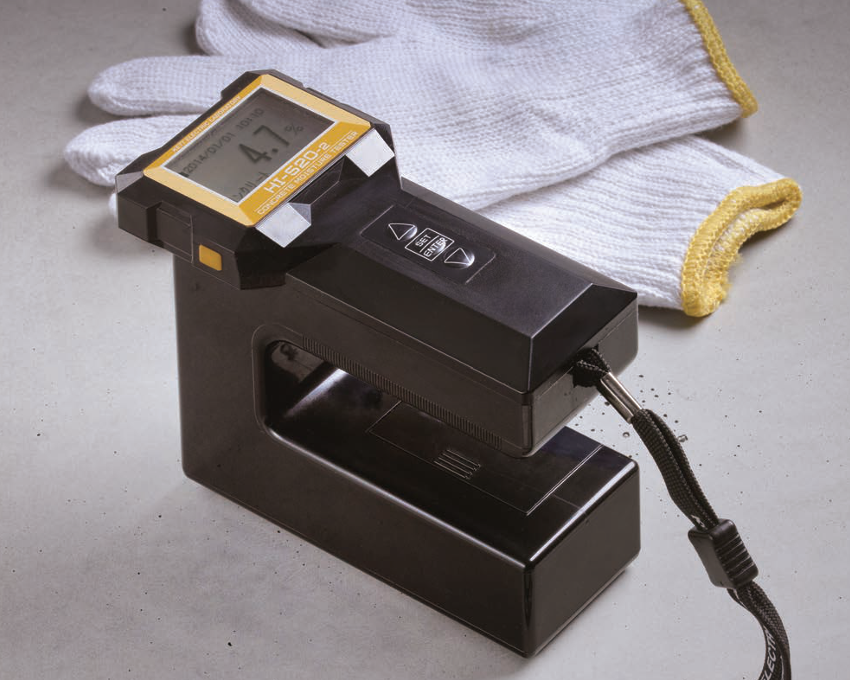
Moisture meters and inspection tools are used to locate damp areas inside walls, flooring, and ceilings. Detecting moisture is essential because mold cannot grow without it.
Finding the source of moisture helps ensure that any remediation addresses the underlying cause.
Sampling and Evaluation
In some cases, air or surface samples may be collected to confirm mold presence and determine the level of contamination. This information helps guide decisions about drying, cleaning, or remediation.
Technicians familiar with Fort Lauderdale homes understand common construction patterns and moisture conditions, which helps ensure accurate testing.
Why Mold Testing Helps Prevent Future Damage
Mold testing is not only about identifying existing mold—it also helps prevent future problems. By locating moisture sources and evaluating environmental conditions, testing allows homeowners to correct issues before mold spreads.
Preventive benefits include:
- Identifying hidden leaks
- Detecting ventilation problems
- Confirming humidity levels
- Locating areas prone to condensation
- Preventing structural deterioration
Early testing often reduces the need for extensive repairs later.
Why DIY Mold Checks Are Often Incomplete
Homeowners sometimes rely on visual inspections alone, but mold frequently grows in concealed areas. Surfaces may appear dry while moisture remains trapped inside structural materials.
Household testing kits may provide limited information and do not identify moisture sources. Without locating the cause of dampness, mold may return even after cleaning.
Professional testing provides a more complete evaluation of the property.
Moisture Control and Mold Prevention
Preventing mold depends largely on controlling moisture. Maintaining balanced humidity levels and addressing leaks promptly reduces the likelihood of mold growth.
Key moisture control steps include:
- Repair plumbing leaks quickly
- Inspect roofs after storms
- Maintain HVAC systems and condensate lines
- Use exhaust fans in kitchens and bathrooms
- Monitor indoor humidity levels
Homes in Margate, Coconut Creek, and North Lauderdale often require similar moisture control measures due to comparable climate conditions.
Water Damage and Mold Growth
Water damage is one of the most common causes of mold in Fort Lauderdale homes. Flooding, roof leaks, and plumbing failures can leave moisture trapped in structural materials long after surfaces appear dry.
Water removal and structural drying help eliminate moisture and prevent mold from returning. Proper drying ensures that materials reach safe moisture levels before repairs are completed.
Early restoration plays a major role in preventing future mold problems.
Air Ducts, AC Systems, and Mold Prevention
Air conditioning systems can influence mold growth when condensation forms inside ducts or air handlers. Moisture inside ventilation systems can allow mold to develop and spread through airflow.
Air duct inspection and cleaning may be recommended when mold or moisture problems are suspected. Maintaining AC systems and replacing filters regularly helps prevent condensation and improves indoor air quality.
Proper airflow and balanced humidity are essential for long-term prevention.
Practical Steps Homeowners Can Take
Homeowners in Fort Lauderdale can reduce the risk of mold by following routine maintenance practices:
- Inspect plumbing fixtures regularly
- Repair leaks promptly
- Replace HVAC filters regularly
- Keep gutters and drainage systems clear
- Ensure proper attic ventilation
- Schedule periodic inspections if humidity or odors persist
Routine maintenance helps prevent many mold problems before they begin.
Why Local Experience Matters
Mold testing in Fort Lauderdale requires an understanding of coastal humidity, local weather patterns, and construction methods common in Broward County homes. Moisture spreads differently in humid environments, and identifying hidden damp areas often requires experience with local building layouts.
Pompano Mold Inspection and Testing has assisted many homeowners in Fort Lauderdale and surrounding communities by locating hidden moisture, performing mold testing, and helping prevent recurring problems. Local experience helps ensure that testing leads to effective long-term solutions.
A Practical Next Step for Homeowners
Mold problems rarely resolve without identifying their source. Musty odors, stains, or persistent humidity often indicate hidden moisture that should be investigated.
Scheduling mold testing helps confirm whether mold is present and allows homeowners to address problems early. Early detection, proper moisture control, and timely repairs remain the most effective ways to prevent future damage in Fort Lauderdale homes.