

Mold Testing in Pompano Beach: What Property Owners Should Know
Mold testing is a topic many property owners in Pompano Beach hear about, but few fully understand. In a climate where humidity is high year-round and storms are common, moisture problems are part of everyday home ownership. Mold often develops quietly, long before it becomes visible. For homeowners, landlords, and property managers, understanding what mold testing actually does, when it is useful, and how it fits into a broader inspection process is essential for making informed decisions.
In Pompano Beach, mold testing is rarely about panic or worst-case scenarios. It is about clarity. Done correctly, it helps confirm concerns, guide next steps, and avoid unnecessary work.
What Mold Testing Really Is
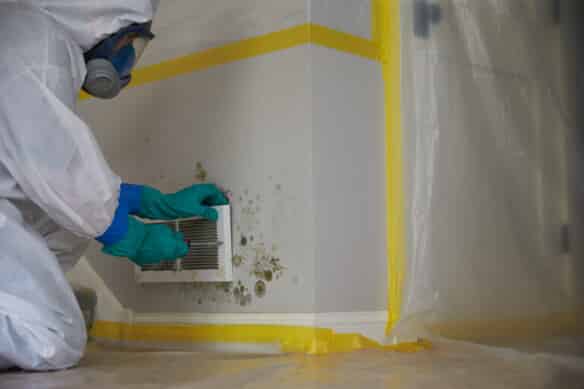
Mold testing is the process of collecting samples to determine whether mold is present in a specific area and, in some cases, what type of mold may be involved. Testing can include air samples, surface samples, or material samples, depending on the situation.
Testing does not stand alone. It works best when paired with a thorough mold inspection and moisture evaluation. Without understanding where moisture is coming from, test results alone do not solve problems or prevent mold from returning.
In Pompano Beach homes, testing is most useful when there are signs of moisture or suspected hidden mold that cannot be confirmed visually.
Why Mold Is Common in Pompano Beach Properties
Pompano Beach’s environment creates ideal conditions for mold. High humidity, frequent rain, tropical storms, and constant air conditioning use all contribute to moisture buildup. Even well-maintained properties can develop moisture issues over time.
Water intrusion from roof leaks, plumbing leaks, storm damage, or AC condensation problems is common. Slab foundations, attic-based air handlers, and older duct systems can all allow moisture to linger inside walls, ceilings, and floors.
Nearby areas like Lighthouse Point, Deerfield Beach, and Fort Lauderdale experience similar issues, but coastal humidity often makes drying slower in Pompano Beach properties.
When Mold Testing Is Actually Helpful
Mold testing is not always necessary, and that is important for property owners to understand. Testing is most helpful in specific situations.
It may be useful when there is a persistent musty odor but no visible mold, after water damage where moisture exposure was prolonged, or when mold is suspected inside walls, ceilings, or duct systems. Testing can also help confirm whether an area is affected before major repairs or renovations.
In rental or commercial properties, testing may provide documentation to help guide remediation decisions and clarify the scope of a problem.
Situations Where Testing Alone Is Not Enough
Testing without inspection often leads to confusion. Mold spores exist naturally in outdoor air and can be detected even in healthy environments. A test result without context does not explain why mold is present or how to stop it from returning.
For example, air samples may detect mold, but without identifying moisture sources, the underlying issue remains. Cleaning or treating surfaces without moisture control usually results in recurring problems.
This is why testing should always be guided by inspection and moisture detection rather than used as a standalone solution.
Common Types of Mold Testing Used in Homes
Air sampling is commonly used when mold is suspected but not visible. It helps evaluate whether airborne mold levels inside the home differ significantly from outdoor conditions.
Surface sampling may be used when visible growth is present and confirmation is needed. Material sampling involves testing portions of building materials that show signs of mold or moisture damage.
The choice of testing method depends on inspection findings. In Pompano Beach homes, testing often focuses on areas affected by past leaks, AC moisture issues, or storm-related water intrusion.
Hidden Mold and Why Property Owners Miss It
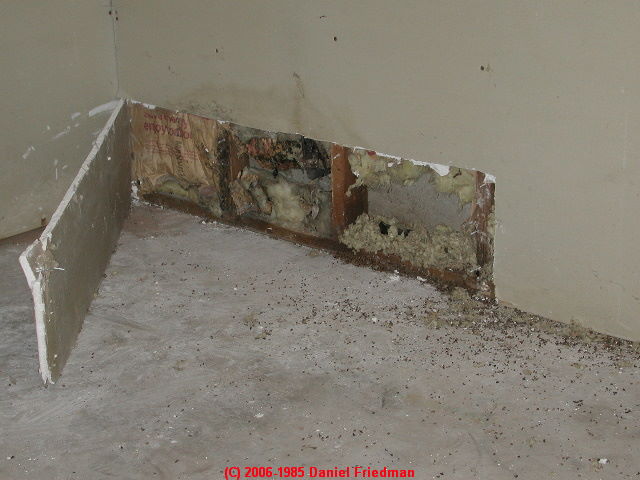
Some of the most significant mold problems develop out of sight. Mold commonly grows behind drywall, under flooring, inside wall cavities, or above ceilings. Attics are another frequent problem area due to roof leaks, poor ventilation, and AC drain line issues.
Duct systems can also harbor mold when condensation forms inside poorly insulated or damaged ductwork. Because these areas are not visible, mold can spread slowly without being noticed.
Testing helps confirm concerns in these situations, but inspection is what reveals where moisture is entering and how mold may be spreading.
Role of Moisture Detection in Mold Testing
Moisture detection is a critical part of deciding whether mold testing is needed. Tools such as moisture meters and thermal imaging help locate damp materials behind walls, ceilings, and floors.
In Pompano Beach properties, moisture detection often identifies issues caused by plumbing leaks, roof damage, AC condensation, or poor ventilation. Once moisture patterns are understood, testing can be targeted rather than random.
This approach saves time and helps avoid unnecessary testing that does not provide useful information.
How Mold Testing Guides Remediation Decisions
When mold testing is used correctly, it helps guide remediation rather than replace it. Test results can confirm affected areas, support inspection findings, and help determine the scope of cleanup needed.
Targeted remediation focuses on removing contaminated materials when necessary, cleaning remaining surfaces, and correcting moisture sources. Testing helps ensure efforts are focused where they matter most.
Without addressing moisture, remediation based on testing alone is unlikely to succeed long term.
Mold Testing and Property Management Concerns
For landlords and property managers in Pompano Beach, mold testing can play a role in documentation and decision-making. Testing may help clarify whether a reported issue is isolated or related to a larger moisture problem.
In multi-unit properties, moisture can travel between units through shared walls or duct systems. Testing, combined with inspection, helps identify whether issues are localized or widespread.
Clear information helps property owners plan repairs responsibly and avoid repeated complaints or ongoing damage.
Preventing Mold Issues after Testing
Testing does not prevent mold on its own. Prevention comes from moisture control. Once moisture sources are identified, steps such as repairing leaks, improving ventilation, maintaining AC systems, and managing indoor humidity help reduce mold risk.
Regular inspections after storms, plumbing issues, or AC problems allow moisture to be addressed early. In Pompano Beach’s climate, proactive moisture management is one of the most effective ways to avoid mold-related problems.
Why Local Experience Matters
Mold testing in Pompano Beach requires local knowledge. Florida’s humidity, storm patterns, construction styles, and HVAC demands all influence how mold develops and spreads. Local experience helps determine when testing is useful and how results should be interpreted.
Pompano Mold Inspection and Testing brings that local understanding to mold inspection, mold testing, moisture detection, and water-related services throughout Pompano Beach, Lighthouse Point, Deerfield Beach, Margate, Coconut Creek, North Lauderdale, Fort Lauderdale, and surrounding Broward County communities.
A Practical Perspective for Property Owners
Mold testing is a tool, not a solution by itself. For property owners in Pompano Beach, understanding when testing is helpful and how it fits into inspection and moisture control makes all the difference. With the right approach, mold testing provides clarity, supports smart decisions, and helps protect properties from long-term moisture and mold damage.
