
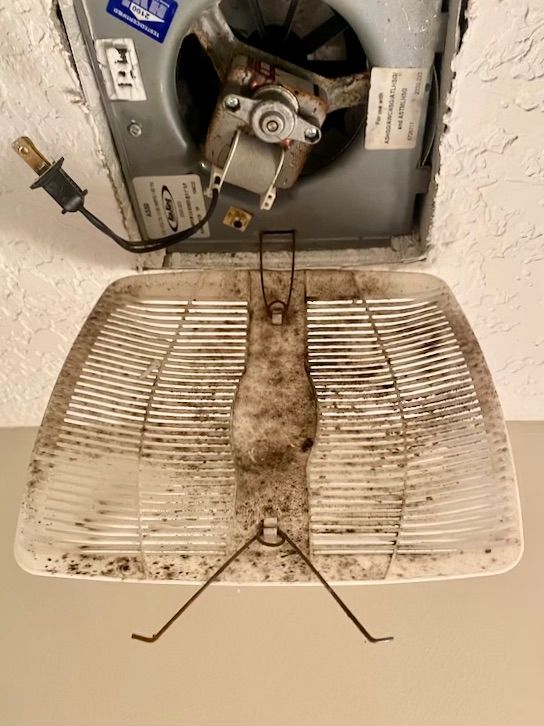
Mold Testing Services in Lighthouse Point from Poor Ventilation: Understanding the Process
In Lighthouse Point, coastal living brings fresh air outside—but inside the home, poor ventilation can quietly create the opposite effect. When air doesn’t circulate properly, moisture builds up, especially in bathrooms, kitchens, attics, and AC systems. Over time, that trapped moisture can lead to mold growth that isn’t always visible or obvious.
This is where mold testing becomes especially important. Mold testing services help Lighthouse Point homeowners understand what’s happening behind walls, above ceilings, and inside air systems when ventilation isn’t doing its job. It’s not about assumptions—it’s about clear information and informed next steps.
How Poor Ventilation Leads to Mold Growth
Ventilation controls how moisture leaves a home. When airflow is limited, humid air stays trapped indoors longer than it should. In Lighthouse Point homes, this is a common issue due to:
- Bathrooms without properly vented exhaust fans
- Kitchens that trap steam and humidity
- Attics with limited airflow
- AC systems that don’t circulate air evenly
- Closed-up homes during hot, humid months
When moisture lingers, surfaces stay damp. Mold only needs consistent moisture and organic material to begin growing.
Why Lighthouse Point Homes Are Especially Vulnerable
Lighthouse Point’s coastal environment plays a major role in ventilation-related mold issues. Humidity levels remain high most of the year, and during the rainy season, homes may stay closed up with AC running constantly.
Local contributing factors include:
- Moist coastal air entering the home
- Heavy AC use creating condensation
- Older homes with outdated ventilation designs
- Limited attic airflow in some residential structures
- Poorly sealed duct systems
Even well-maintained homes can experience mold issues when ventilation isn’t balanced correctly.
Early Signs Linked to Poor Ventilation
Mold caused by poor ventilation often develops slowly and without dramatic signs. Homeowners in Lighthouse Point frequently notice symptoms rather than visible growth.
Common warning signs include:
- Persistent musty or stale odors
- Condensation on windows or vents
- Bathrooms that never fully dry
- Damp-feeling indoor air
- Discoloration near ceilings or corners
These signs suggest excess moisture, which often leads professionals to recommend mold testing.
Hidden Mold from Ventilation Issues
One of the biggest challenges with ventilation-related mold is that it often grows out of sight. Mold testing services are designed to detect problems even when surfaces look clean.
In Lighthouse Point homes, hidden mold is commonly found in:
- Bathroom walls and ceilings
- Attic insulation and roof framing
- AC air handlers and return plenums
- Inside ductwork with condensation
- Wall cavities where air circulation is limited
Without testing, these areas can remain problematic for months or years.
Why Mold Testing Is Necessary in These Cases
Visual inspection alone isn’t enough when ventilation is the suspected cause. Mold may be present without obvious surface growth, especially in early stages.
Mold testing helps determine:
- Whether mold is present
- The extent of the issue
- If poor ventilation is contributing
- Which areas are most affected
This information allows homeowners to make informed decisions rather than guessing or overcorrecting.
Understanding the Mold Testing Process
Mold testing follows a structured process designed to provide clarity without unnecessary disruption. In Lighthouse Point residential homes, the process typically begins with an inspection.
Initial Assessment
Professionals evaluate ventilation patterns, moisture-prone areas, and the overall airflow in the home. This step identifies where testing makes the most sense.
Moisture Detection
Moisture meters and thermal tools help locate damp areas caused by trapped humid air.
Sample Collection (When Needed)
If conditions warrant it, samples may be collected from air or surfaces to confirm mold presence. Testing is targeted, not random.
Analysis and Interpretation
Results help determine whether mold levels are normal or elevated and how ventilation may be contributing.
This process ensures testing answers real questions instead of creating confusion.
Local professionals such as Pompano Mold Inspection and Testing take an inspection-first approach, using testing only when it adds value and clarity.
How Testing Guides the Next Steps
Mold testing isn’t the final step—it’s a decision-making tool. Results help determine whether corrective actions are needed and what type.
Based on findings, next steps may include:
- Improving ventilation in specific areas
- Addressing AC moisture or duct issues
- Targeted mold remediation if necessary
- Ongoing moisture monitoring
Without testing, these steps are often based on guesswork.
The Role of AC Systems and Ducts
In Lighthouse Point homes, ventilation and AC systems are closely connected. Poor airflow or condensation inside ducts can contribute to mold growth that affects the entire home.
Mold testing often overlaps with:
- AC moisture inspections
- Duct evaluations
- Indoor air quality assessments
Addressing ventilation without checking the HVAC system can leave problems unresolved.
Mold Testing After Long-Term Ventilation Issues
Homes with long-standing ventilation problems may not show immediate damage, but mold can still develop gradually. Testing is especially valuable in homes that have experienced:
- Years of high indoor humidity
- Chronic condensation issues
- Recurring odors with no clear source
- Past water intrusion combined with poor airflow
In these cases, mold testing provides insight into what time and moisture may have created behind the scenes.
Preventing Mold Linked to Poor Ventilation
While mold testing identifies existing issues, prevention focuses on correcting airflow and moisture balance. Homeowners in Lighthouse Point can reduce risk by:
- Using bathroom and kitchen exhaust fans consistently
- Ensuring attic ventilation is adequate
- Maintaining AC systems regularly
- Monitoring indoor humidity levels
- Addressing condensation as soon as it appears
Periodic inspections help ensure these efforts are effective.
Why Local Experience Matters in Lighthouse Point
Ventilation challenges in coastal homes differ from inland properties. Local experience matters because professionals understand how salt air, humidity, and construction styles affect airflow.
Local specialists know which areas of Lighthouse Point homes are most prone to ventilation-related moisture. Pompano Mold Inspection and Testing brings that regional understanding, focusing on realistic evaluations rather than generic assumptions.
A Clear, Calm Way Forward
Mold testing services related to poor ventilation aren’t about alarm—they’re about clarity. For Lighthouse Point homeowners, testing provides answers when moisture and airflow issues raise questions that visuals alone can’t resolve.
If your home struggles with humidity, persistent odors, or damp conditions despite regular cleaning, mold testing can help identify whether poor ventilation is contributing. Understanding the process allows homeowners to take measured, effective steps toward a healthier, better-balanced home environment.
