Mold Testing Solutions for Homes in Pompano Beach: Inspection and Repair Guide
Mold problems are a common concern for homeowners in Pompano Beach. Warm temperatures, high humidity, and frequent seasonal storms create ideal conditions for moisture to accumulate inside homes. When moisture is present, mold can develop quickly—sometimes in areas that are not immediately visible. Mold testing plays an important role in identifying contamination, locating moisture sources, and guiding proper repair and remediation.
Understanding how mold testing works and what happens after an inspection helps homeowners make informed decisions and protect their property.
What Mold Testing Is
Mold testing is the process of identifying mold growth, measuring contamination levels, and determining whether indoor air quality has been affected. Testing may include air sampling, surface sampling, and moisture detection to understand the full scope of a mold issue.
Testing is particularly important when:
- Mold odors are present but growth is not visible
- Water damage has recently occurred
- Indoor air quality concerns arise
- A property is being prepared for sale or rental
- Occupants notice persistent humidity or dampness
Testing helps determine whether mold is present and what steps may be necessary to correct the problem.
Why Mold Problems Are Common in Pompano Beach
Homes in Pompano Beach and nearby areas such as Lighthouse Point, Margate, Coconut Creek, and Fort Lauderdale experience environmental conditions that naturally increase the likelihood of mold growth.
Several factors contribute:
- High humidity throughout the year
- Heavy rain and storm water intrusion
- AC condensation and duct moisture
- Roof leaks and plumbing issues
- Poor ventilation in enclosed spaces
Because Florida homes are often tightly sealed and air-conditioned, moisture can remain trapped indoors, creating ideal conditions for mold.
Common Signs That Mold Testing May Be Needed
Mold problems often begin subtly. Homeowners may notice early warning signs before visible growth appears.
Common signs include:
- Musty or earthy odors
- Water stains on ceilings or walls
- Peeling paint or bubbling drywall
- Increased indoor humidity
- Dark spots near vents or baseboards
- Allergy-like irritation indoors
These symptoms often indicate excess moisture or hidden mold growth that should be inspected.
Hidden or Overlooked Sources of Mold Growth
One of the main reasons mold testing is important is that mold frequently develops in concealed areas. Moisture can travel through structural materials and remain trapped for long periods.
Common hidden sources include:
- Damp insulation inside walls
- Condensation inside ductwork
- Slow plumbing leaks
- Roof leaks wetting attic materials
- Moisture trapped beneath carpet or flooring
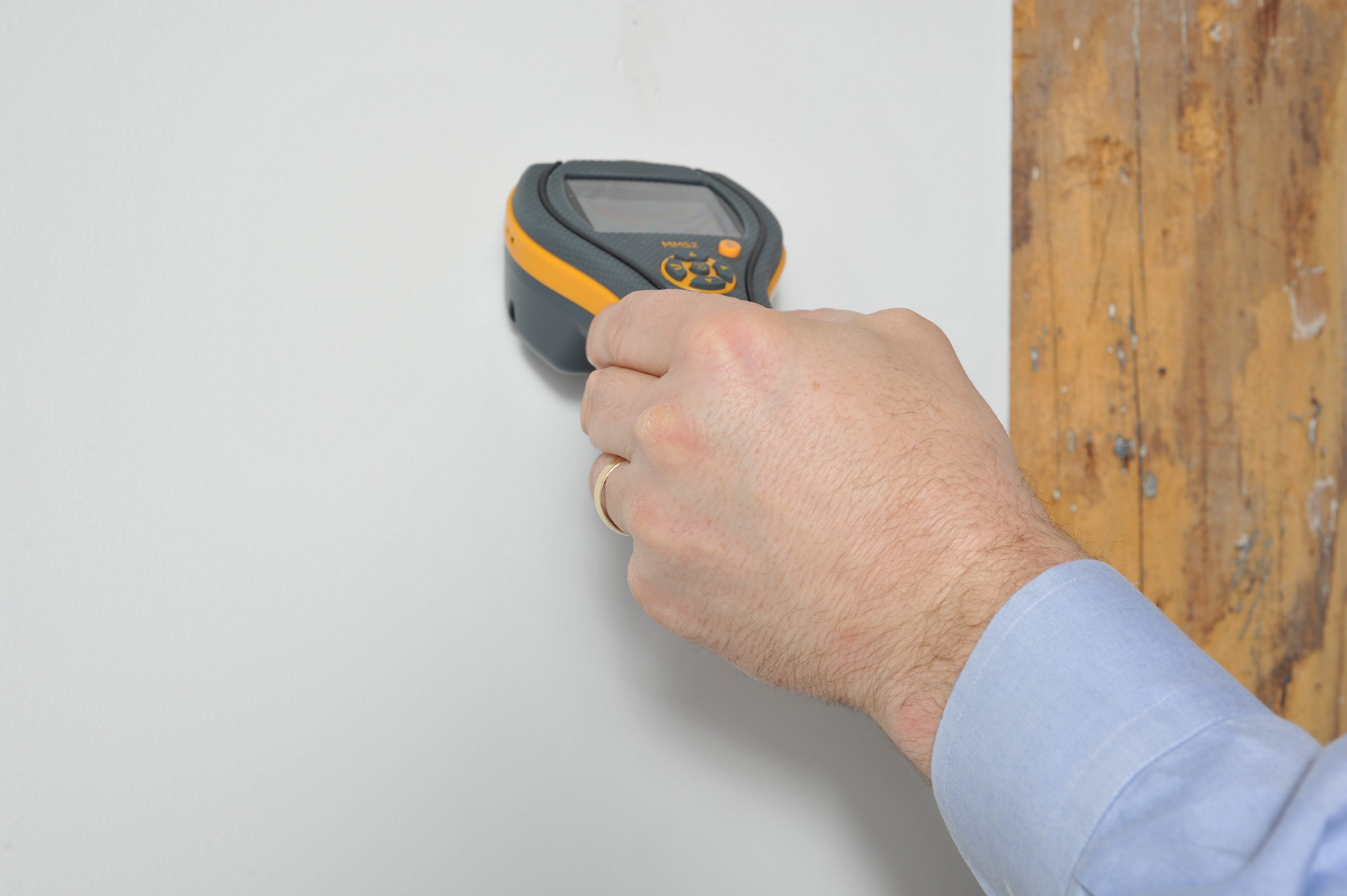
Moisture mapping tools and inspection techniques help locate these sources accurately.
Why DIY Mold Detection Often Falls Short
Some homeowners rely on visual inspections or store-bought test kits. While these methods may provide limited information, they rarely give a complete picture of mold contamination.
DIY methods often fall short because:
- Air quality is not properly measured
- Hidden moisture is not detected
- Surface samples may be misinterpreted
- The source of moisture remains unidentified
Professional testing provides more reliable information and helps guide effective repair and remediation.
Professional Mold Inspection and Testing Explained
A professional mold inspection involves a detailed evaluation of the home to identify both visible and hidden issues.
A typical inspection may include:
- Visual examination of high-risk areas
- Moisture detection in walls and flooring
- Inspection of HVAC systems and ductwork
- Air or surface sampling when needed
- Identifying conditions that support mold growth
Pompano Mold Inspection and Testing frequently performs these inspections in Pompano Beach and surrounding communities, helping homeowners understand the extent of mold problems and the appropriate next steps.
Repairing the Source of Moisture
Mold testing often reveals underlying moisture issues that must be repaired to prevent recurrence. Addressing the moisture source is a critical part of long-term mold control.
Common repairs may include:
- Fixing plumbing leaks
- Repairing roof damage
- Clearing AC drain lines
- Sealing duct leaks
- Improving ventilation
Without correcting these problems, mold may return even after cleaning.
Proper Mold Removal and Remediation Process
If mold is confirmed, remediation may be necessary to remove contamination safely.
A professional remediation process typically involves:
- Containing affected areas to prevent spore spread
- Using HEPA air filtration to improve air quality
- Removing contaminated materials when necessary
- Cleaning and treating structural surfaces
- Drying the structure thoroughly
This approach ensures that mold is removed effectively and that conditions supporting growth are eliminated.
Flood Restoration and Water Damage Repair
In many cases, mold develops after water damage. Flood restoration and structural drying are often necessary before or during remediation.
Restoration may include:
- Water extraction
- Dehumidification and drying
- Cleaning and sanitizing surfaces
- Repairing or replacing damaged materials
Prompt restoration helps prevent mold from spreading further.
Air Ducts, AC Systems, and Mold
Air conditioning systems play a major role in both controlling and contributing to indoor moisture levels. When ducts or air handlers become damp, mold growth can occur and spread through the ventilation system.
Common HVAC-related causes include:
- Condensation inside ducts
- Clogged condensate drain lines
- Dirty coils or poor airflow
- Duct leaks drawing humid air inside
Air duct cleaning and AC maintenance are often recommended after mold or moisture problems are discovered.
How to Prevent Mold Problems in Pompano Beach Homes
Preventing mold begins with controlling moisture and maintaining good ventilation.
Homeowners can reduce risk by:
- Inspecting roofs and plumbing regularly
- Cleaning gutters and drainage systems
- Maintaining HVAC systems and filters
- Monitoring indoor humidity levels
- Sealing windows and exterior openings
- Scheduling periodic moisture inspections
Preventive maintenance helps identify problems early and reduces the likelihood of mold growth.
Why Local Experience Matters
Mold testing in South Florida requires knowledge of local climate conditions and building practices. Homes in Pompano Beach often experience moisture patterns influenced by coastal air, seasonal storms, and long cooling seasons.
Professionals familiar with Pompano Beach, Deerfield Beach, and Lauderdale-by-the-Sea understand:
- How humidity affects mold growth
- Where hidden moisture commonly develops
- Typical construction materials used locally
- Seasonal patterns that contribute to indoor moisture
Pompano Mold Inspection and Testing applies this local experience to identify mold issues accurately and recommend practical solutions tailored to Broward County homes.
A Practical Next Step for Homeowners
Mold problems can develop quietly but become costly if ignored. Scheduling mold testing when warning signs appear helps homeowners identify issues early and take appropriate action. Addressing moisture sources, completing necessary repairs, and ensuring proper remediation protects both the home and indoor air quality.
For homeowners in Pompano Beach, understanding mold testing and repair solutions provides the confidence to respond quickly and keep properties safe, dry, and comfortable year-round.