North Lauderdale Flood Restoration After Hurricanes: Warning Signs and Prevention Tips
Hurricanes and strong tropical storms are a reality for homeowners in North Lauderdale. Heavy rainfall, storm surge, and wind-driven water can quickly overwhelm drainage systems and allow water to enter homes. Even when flooding appears minor, moisture can spread into walls, insulation, flooring, and structural materials, creating problems that continue long after the storm has passed.
Understanding how flood restoration works, recognizing warning signs early, and knowing how to prevent future damage can help homeowners protect their properties and reduce long-term repair costs.
What Happens to Homes After Hurricane Flooding
Floodwater rarely affects only one part of a home. Water can travel through flooring, seep behind walls, and saturate insulation. Materials such as drywall, wood, and carpeting absorb moisture quickly, and high humidity slows the drying process.
If moisture is not removed properly, it can lead to:
- Structural weakening of drywall and wood
- Persistent musty odors
- Mold growth in hidden areas
- Warped flooring or baseboards
- Reduced indoor air quality
Flood restoration focuses on removing water, drying materials thoroughly, and repairing affected areas to prevent these long-term issues.
Why Hurricane Flooding Is Common in North Lauderdale
North Lauderdale’s location in Broward County makes it vulnerable to intense rain and flooding during hurricane season. Storm systems can deliver large volumes of rain in a short period, overwhelming drainage systems and saturating the ground.
Several factors increase flood risk in local homes:
- Prolonged heavy rainfall during hurricanes
- Storm drains and drainage systems under strain
- Roof leaks caused by strong winds
- Rising groundwater levels
- Poor yard drainage or grading
- Blocked gutters and downspouts
Nearby communities such as Margate, Coconut Creek, and Pompano Beach often experience similar conditions during major storms.
Warning Signs of Flood Damage After a Hurricane
Not all flood damage is immediately obvious. Some of the most important warning signs appear days or weeks after the storm.
Homeowners should watch for:
- Musty or damp odors
- Water stains on walls or ceilings
- Warped flooring or baseboards
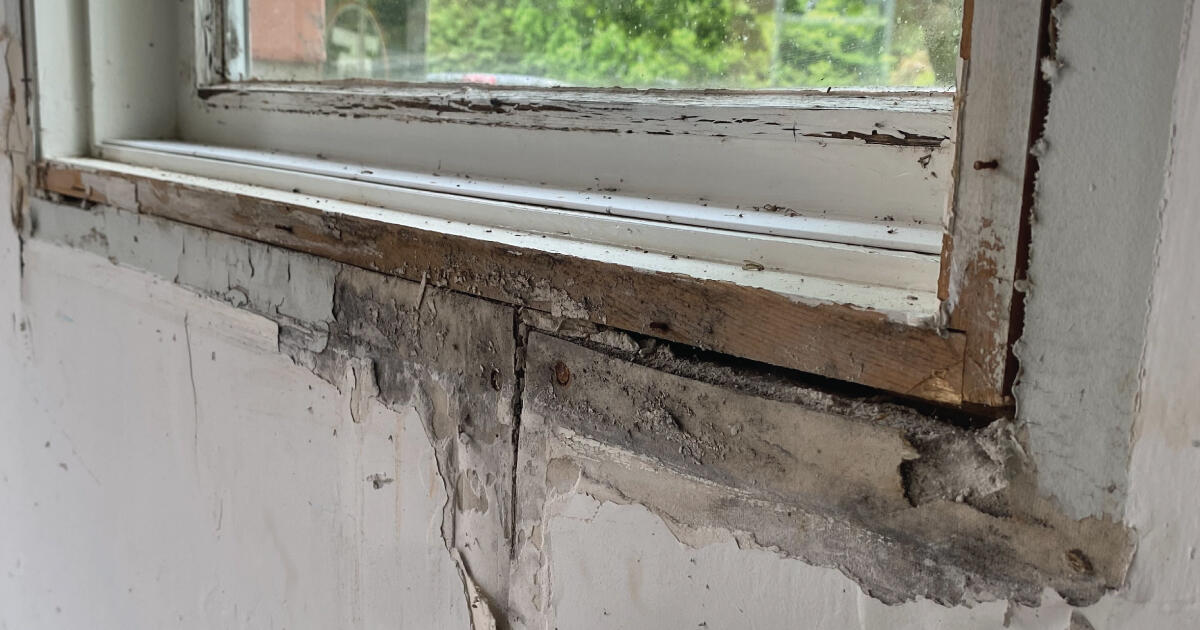
- Peeling paint or bubbling drywall
- Damp carpets or rugs
- Increased indoor humidity
These signs often indicate that moisture remains trapped in building materials.
Hidden Damage That Often Goes Undetected
One of the biggest challenges after hurricane flooding is identifying hidden moisture. Water can move behind walls and under flooring without leaving visible marks.
Common hidden problem areas include:
- Wall cavities and insulation
- Subfloors beneath tile or laminate
- Attic insulation affected by roof leaks
- Air ducts exposed to humid air
- Baseboards and trim
If these areas are not properly dried, mold growth may begin within a short period.
Why Quick Flood Restoration Is Important
Time is one of the most critical factors after flooding. The sooner water removal and drying begin, the less damage occurs.
Prompt restoration helps:
- Prevent mold growth
- Protect structural materials
- Reduce odors and contamination
- Limit repair costs
- Restore indoor comfort faster
Delaying restoration allows moisture to spread deeper into building materials, making repairs more extensive.
Professional Flood Inspection and Assessment
Flood restoration usually begins with a detailed inspection to determine how far water has spread and which materials are affected.
This process may include:
- Moisture meter readings in walls and floors
- Infrared imaging to detect hidden moisture
- Inspection of attic insulation and ductwork
- Evaluation of HVAC systems exposed to moisture
Professionals familiar with Broward County homes understand how humidity affects drying and how stormwater behaves in local construction. Experienced local specialists, including teams such as Pompano Mold Inspection and Testing, often recognize patterns of hurricane-related damage quickly.
The Flood Restoration Process
Flood restoration is a structured process designed to return a home to safe, dry conditions.
1. Water Extraction
Standing water is removed using high-capacity pumps and extraction equipment.
2. Structural Drying
Air movers and dehumidifiers are used to remove moisture from walls, floors, and ceilings. This step may take several days depending on humidity and the extent of flooding.
3. Cleaning and Sanitizing
Floodwater can carry contaminants, so surfaces are cleaned and sanitized to restore safe indoor conditions.
4. Removal of Damaged Materials
Heavily saturated drywall, insulation, or flooring may need to be removed and replaced.
5. Monitoring and Final Verification
Moisture levels are monitored to confirm that materials are completely dry before repairs are finalized.
This process ensures that restoration is thorough rather than temporary.
Mold Risks After Hurricane Flooding
Mold growth is one of the most common secondary problems after flooding. Mold spores are always present in the air, and damp materials provide ideal conditions for growth.
Areas most at risk include:
- Carpet padding and flooring
- Drywall and insulation
- Ceiling cavities
- Areas near vents and ducts
Proper drying and moisture control significantly reduce the risk of mold developing.
HVAC Systems and Air Ducts After Storms
Flooding and high humidity can affect HVAC systems, especially when ducts are located in attics or crawl spaces. Moisture entering ductwork may reduce airflow efficiency and contribute to odors.
Signs of duct-related issues include:
- Musty smells when the AC runs
- Dust or debris around vents
- Uneven airflow
Duct inspection and cleaning may be recommended after flooding to restore proper system performance.
Prevention Tips for Future Hurricanes
While hurricanes cannot be prevented, homeowners in North Lauderdale can reduce the risk of severe flood damage by preparing their homes.
Practical prevention steps include:
- Inspect roofs and flashing before hurricane season
- Keep gutters and downspouts clear
- Ensure proper drainage around foundations
- Seal windows and doors to prevent wind-driven rain
- Maintain sump pumps or drainage systems where applicable
- Store valuables and important items above floor level
Routine maintenance and preparation often reduce damage during severe storms.
Why Local Experience Matters
Flood restoration in South Florida requires understanding how coastal weather, humidity, and construction methods affect homes. Drying techniques used in other regions may not be effective in humid climates.
Professionals with local experience understand:
- How humidity slows drying times
- Where water commonly travels in local homes
- How attic ventilation influences moisture levels
- How hurricane conditions affect structural materials
This knowledge helps ensure restoration is thorough and long-lasting.
A Practical Approach for Homeowners
Hurricane flooding can be stressful, but early action and proper restoration make a significant difference. Removing water quickly, drying affected materials thoroughly, and repairing damage promptly help protect both the structure of the home and long-term maintenance costs.
Homeowners who monitor for warning signs and address problems early reduce the risk of mold growth and structural deterioration. When professional evaluation is needed, experienced local specialists such as Pompano Mold Inspection and Testing can help identify moisture sources and recommend practical solutions tailored to North Lauderdale homes and surrounding Broward County communities.
Images