
Pompano Beach Water Leak Detection from AC Condensation: Warning Signs and Prevention Tips
In Pompano Beach homes, air conditioning systems work almost nonstop to keep indoor spaces cool and dry. But that constant operation also produces condensation—and when it isn’t managed properly, it can quietly turn into water leaks. AC condensation leaks are one of the most overlooked sources of water damage in South Florida homes because they often develop slowly and out of sight.
Water leak detection focused on AC condensation isn’t about reacting to obvious flooding. It’s about identifying early warning signs, understanding where moisture hides, and preventing ongoing damage before it spreads into walls, ceilings, and duct systems.
How AC Condensation Becomes a Water Leak
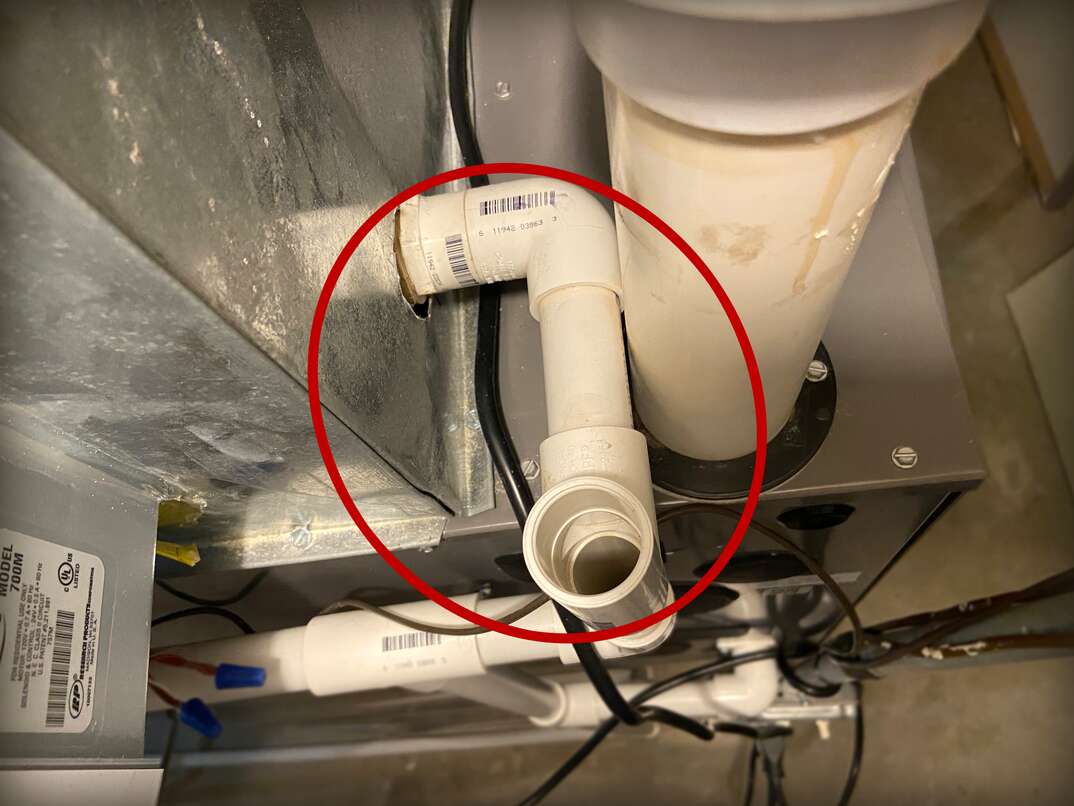
Every AC system removes humidity from the air. That moisture collects on the evaporator coil and is supposed to drain safely through a condensate line. Problems start when that process is interrupted.
Common causes include:
- Clogged or partially blocked drain lines
- Cracked or overflowing drain pans
- Improper drain line slope
- Restricted airflow causing excess condensation
- Deteriorated duct insulation leading to sweating
When condensation can’t exit the system correctly, it finds another path—often into building materials.
Why AC Condensation Leaks Are Common in Pompano Beach
Pompano Beach’s climate creates the perfect conditions for AC condensation issues. High humidity means systems pull more moisture from the air, increasing the amount of water that must be drained away.
Local factors that increase risk include:
- Long cooling seasons with minimal system downtime
- Heavy summer rains raising indoor humidity
- Attic ductwork exposed to extreme heat
- Older AC systems or aging insulation
- AC units located in closets or interior spaces
Even well-maintained homes can experience condensation-related leaks under these conditions.
Early Warning Signs Homeowners Should Not Ignore
AC condensation leaks rarely show up as sudden puddles. The early signs are usually subtle and easy to dismiss.
Common warning signs include:
- Water stains on ceilings or walls near vents
- Musty odors around AC closets or returns
- Condensation forming on supply registers
- Dripping or trickling sounds when the AC runs
- Peeling paint or bubbling drywall near air handlers
These signs usually indicate ongoing moisture rather than a one-time issue.
Where AC Condensation Leaks Commonly Hide
One of the biggest challenges with AC-related leaks is that water often spreads before it becomes visible.
Leak detection professionals frequently find moisture in:
- Wall cavities behind air handlers
- Ceiling spaces below attic duct runs
- Insulation surrounding ductwork
- Flooring near AC closets
- Return plenums pulling humid air
Without proper moisture detection tools, these areas can stay wet for weeks or months.
Why Ignoring AC Condensation Leaks Leads to Bigger Problems
Small condensation leaks can cause surprisingly large issues over time. When moisture remains unchecked, secondary damage often follows.
Long-term risks include:
- Mold growth in walls or ducts
- Deterioration of drywall and insulation
- Persistent odors that don’t fade
- Repeated staining even after repairs
Early water leak detection helps stop these problems before they escalate.
Professional Water Leak Detection Explained
Water leak detection for AC condensation starts with understanding how moisture is moving through the system and surrounding materials.
In Pompano Beach homes, professional detection typically includes:
- Moisture mapping around AC components
- Inspection of drain lines and drain pans
- Evaluation of duct insulation and airflow
- Identifying whether moisture is active or residual
This approach focuses on pinpointing the source rather than treating symptoms.
Local providers like Pompano Mold Inspection and Testing take a measured, inspection-first approach to AC-related leak detection, ensuring no hidden moisture is overlooked.
The Connection Between AC Condensation and Mold Risk
AC condensation leaks are one of the most common contributors to indoor mold problems in South Florida. When moisture remains trapped inside walls or ducts, mold-friendly conditions develop quickly.
Leak detection helps reduce mold risk by:
- Identifying damp areas early
- Supporting targeted drying and repairs
- Preventing ongoing moisture exposure
- Guiding mold inspection when appropriate
Addressing condensation early often prevents the need for extensive remediation later.
AC Systems, Ducts, and Condensation Leaks
Ductwork plays a major role in condensation behavior. Poorly insulated ducts running through hot attics can sweat continuously, releasing moisture into surrounding materials.
Effective prevention may involve:
- Repairing or replacing damaged duct insulation
- Sealing duct joints and connections
- Improving airflow balance
- Addressing return air issues
Leak detection often reveals duct-related moisture problems homeowners didn’t realize existed.
Water Leak Detection After Storms or Power Outages
After storms or power interruptions, AC systems may restart with blocked drains or disrupted airflow. This can cause sudden condensation overflow even if the system was previously stable.
Post-storm leak detection helps:
- Identify new moisture issues early
- Confirm drain systems are functioning
- Prevent delayed water damage
This step is especially valuable during Pompano Beach’s rainy season.
Prevention Tips for Homeowners
While AC condensation is unavoidable, leaks often are. Homeowners can reduce risk by staying proactive.
Helpful prevention tips include:
- Scheduling regular AC maintenance
- Checking drain lines periodically
- Watching for early moisture signs
- Replacing aging duct insulation
- Addressing small AC issues immediately
Routine inspections make it easier to catch problems before damage occurs.
Why Local Experience Matters in Pompano Beach
AC condensation behaves differently in South Florida than in cooler or drier climates. Local experience matters because professionals understand how Pompano Beach’s humidity, housing layouts, and attic conditions affect moisture movement.
Local specialists know where condensation leaks typically appear and how to detect them efficiently. That regional insight leads to faster diagnosis and more effective prevention.
A Practical Next Step for Homeowners
Water leak detection from AC condensation isn’t about reacting to visible damage—it’s about staying ahead of it. For Pompano Beach homeowners, early attention to warning signs can prevent recurring repairs and long-term moisture issues.
If your home shows unexplained stains, odors, or humidity changes near the AC system, a professional leak detection assessment can provide clarity. Identifying and correcting condensation leaks early helps protect your home, reduce mold risk, and keep your cooling system working the way it should—quietly and without unwanted water damage.
