Practical Tips That Work: Mold Inspection and Testing in Lighthouse Point from AC Condensation
Air conditioning systems are essential in Lighthouse Point, where warm temperatures and high humidity are present for most of the year. While AC systems are designed to remove moisture from indoor air, they can sometimes become a source of excess moisture themselves. Condensation, clogged drain lines, or poor airflow can allow damp conditions to develop, creating an environment where mold can grow.
Mold inspection and testing play a critical role in identifying these problems early and preventing damage to homes and indoor air quality.
What AC Condensation Is and Why It Causes Mold
Air conditioners cool indoor air by passing it over evaporator coils. As warm air meets the cold coil surface, moisture condenses into water droplets. This water normally drains away through a condensate line.
Problems begin when:
- Drain lines become clogged
- Drain pans overflow
- Filters restrict airflow
- Coils freeze and thaw repeatedly
- Duct systems collect condensation
When moisture remains trapped, mold spores can settle and begin to grow on damp surfaces.
Why AC Condensation Issues Are Common in Lighthouse Point
Homes in Lighthouse Point and nearby communities like Deerfield Beach, Pompano Beach, and Lauderdale-by-the-Sea face environmental conditions that increase the risk of condensation problems.
These conditions include:
- High humidity levels year-round
- Long AC operating cycles
- Warm attic temperatures
- Salt air exposure
- Frequent storms and moisture intrusion
Even newer homes can develop condensation problems if maintenance is delayed or ventilation is limited.
Common Signs Mold May Be Developing from AC Moisture
Many homeowners notice subtle warning signs before mold becomes visible. These signs may include:
- Musty odors when the AC runs
- Damp or humid indoor air
- Water stains near vents or ceilings
- Dark spots around air registers
- Increased dust or debris near vents
These symptoms often appear gradually and may be overlooked at first.
Hidden Areas Where Mold Often Forms
Mold caused by AC condensation frequently develops in areas that are not easy to inspect.
Common hidden locations include:
- Inside ductwork
- Around air handlers
- Behind walls near HVAC systems
- In attic ducts and insulation
- Near condensate drain lines
Because these areas are enclosed, moisture can remain trapped for long periods.
Why Mold Inspection Is Important After Condensation Issues
Mold inspection helps determine whether mold is present and how far contamination has spread. Without inspection, hidden mold can remain even after surface cleaning.
Professional inspections help:
- Identify moisture sources
- Detect hidden mold growth
- Evaluate indoor air quality
- Determine the extent of contamination
Companies such as Pompano Mold Inspection and Testing often perform these inspections in Lighthouse Point to help homeowners address condensation-related mold problems effectively.
How Mold Testing Works
Mold testing provides information that helps guide remediation and repairs. The process typically includes:
Visual Inspection
Technicians inspect areas around air handlers, vents, and duct systems for signs of moisture or mold.
Moisture Detection
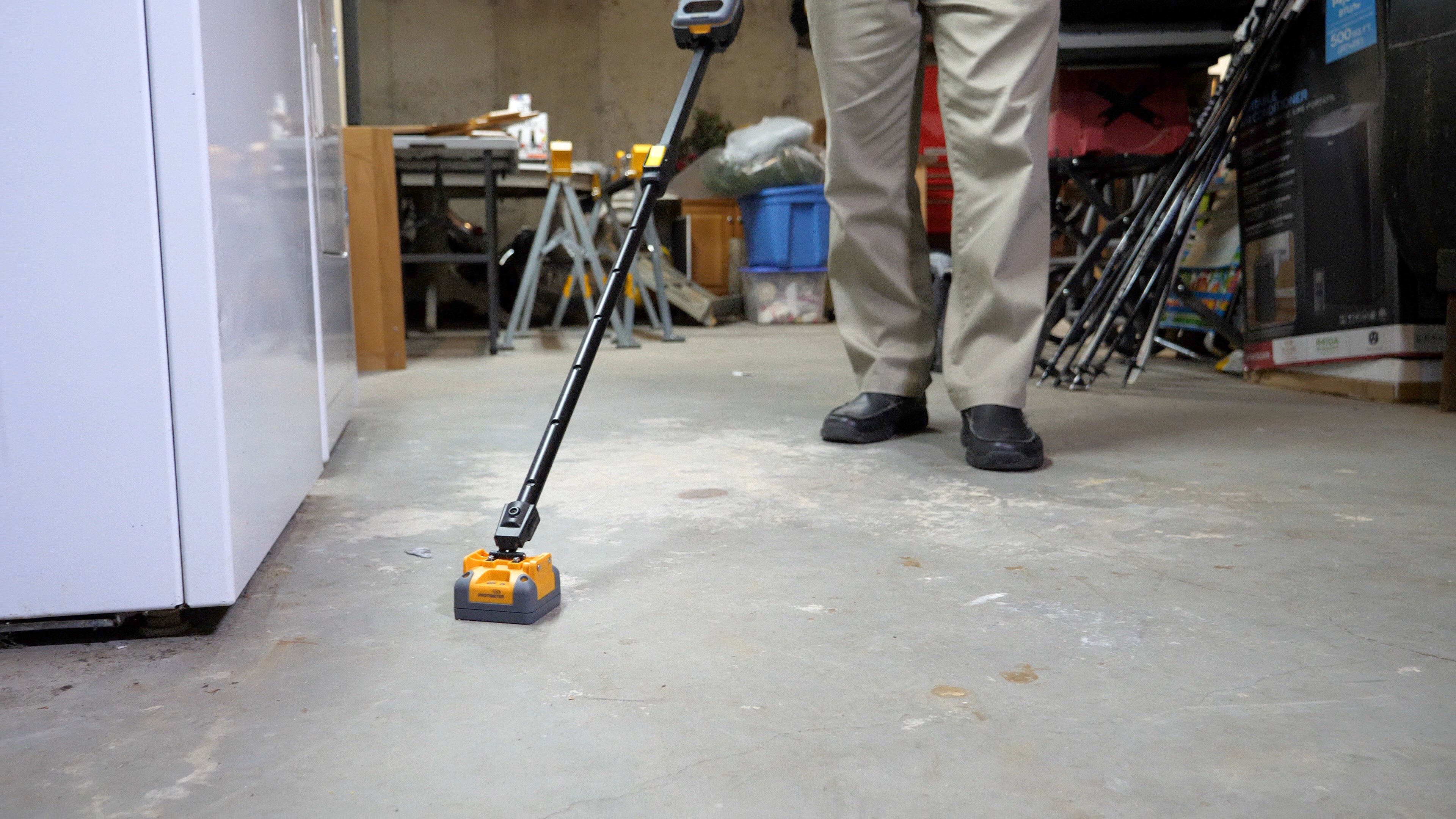
Moisture meters and thermal imaging tools are used to locate damp materials behind walls or ceilings.
Air Sampling
Air samples may be collected to measure mold spore levels indoors and compare them to outdoor levels.
Surface Sampling
If visible mold is present, samples may be collected to determine the type of mold and the appropriate remediation approach.
Testing helps confirm whether mold is present and ensures that solutions address the full scope of the problem.
Practical Tips That Help Prevent Mold from AC Condensation
Homeowners in Lighthouse Point can reduce the risk of mold by following practical steps that are easy to maintain.
Clean Condensate Drain Lines Regularly
Clogged drain lines are one of the most common causes of AC moisture problems. Regular cleaning helps ensure proper drainage.
Replace Air Filters Routinely
Clean filters improve airflow and reduce condensation buildup on coils.
Schedule Annual HVAC Maintenance
Professional servicing helps identify issues before they lead to moisture problems.
Monitor Indoor Humidity
Keeping indoor humidity at recommended levels reduces condensation and mold risk.
Inspect Around Air Handlers and Vents
Checking for damp areas or stains helps detect problems early.
These simple steps can significantly reduce the likelihood of mold growth.
Mold Remediation if Mold Is Found
If mold is detected, remediation may be necessary to restore safe indoor conditions. The remediation process often includes:
- Containing affected areas
- Cleaning and disinfecting surfaces
- Removing contaminated materials if necessary
- Drying and dehumidifying the structure
- Verifying moisture levels after cleanup
Proper remediation ensures mold does not return.
Water Damage and Structural Drying
In some cases, AC condensation leads to water damage that affects drywall, insulation, or flooring. Restoration may include:
- Removing damaged materials
- Drying structural components
- Repairing affected surfaces
Addressing water damage promptly helps prevent mold growth and protects the structure of the home.
Air Duct Cleaning and Indoor Air Quality
Condensation inside ductwork can spread mold spores throughout a home when the HVAC system operates. Duct inspection and cleaning may be recommended if:
- Musty odors persist
- Dust buildup increases
- Mold is found near vents
Cleaning ducts helps restore indoor air quality and improve system efficiency.
Why Early Inspection Saves Money
One of the biggest advantages of mold inspection and testing is preventing major repairs. Small condensation issues can lead to:
- Mold remediation
- Ceiling or drywall repairs
- Insulation replacement
- Duct cleaning and restoration
Identifying problems early often reduces the cost and extent of repairs.
Why Local Experience Matters
Mold problems related to AC condensation are especially common in coastal environments. Professionals familiar with Lighthouse Point understand:
- Humidity patterns that affect HVAC systems
- Construction styles common in Broward County homes
- Moisture behavior in attic duct systems
- Proper drying methods for humid climates
This experience helps ensure inspections and solutions are effective.
A Practical Next Step for Homeowners
AC condensation problems often begin quietly, but mold growth can follow if moisture is not controlled. Scheduling a mold inspection when early signs appear helps protect the home and maintain healthy indoor air quality.
Homeowners and property managers in Lighthouse Point often rely on experienced local providers such as Pompano Mold Inspection and Testing to inspect HVAC systems, perform mold testing, and identify moisture problems before they become serious. Taking action early helps keep homes safe, comfortable, and well-maintained throughout the year.