

Property Owner Guide to Black Mold Removal in Fort Lauderdale
Black mold is a concern many property owners in Fort Lauderdale eventually face, especially in a climate where humidity, heavy rain, and constant air conditioning are part of daily life. For homeowners, landlords, and property managers, black mold is not just a cosmetic issue. It often signals a deeper moisture problem that needs to be addressed correctly to prevent ongoing damage and repeat growth.
In Fort Lauderdale and surrounding Broward County areas, black mold problems usually develop quietly. A slow leak, AC condensation, or storm-related water intrusion can create the perfect environment for mold long before anyone notices visible signs. Understanding how black mold removal works — and why professional methods matter — helps property owners protect their buildings and avoid unnecessary repairs.
What Black Mold Really Is
Black mold is a type of mold that thrives in damp, poorly ventilated environments. It often appears dark green or black and tends to grow on materials that stay wet for long periods, such as drywall, wood framing, insulation, and carpeting.
It’s important to understand that black mold does not appear overnight. It develops when moisture is present continuously, often hidden behind walls, under flooring, or inside air ducts. The mold itself is only part of the problem. The underlying moisture source is what allows it to grow and spread.
Why Black Mold Is So Common in Fort Lauderdale Properties
Fort Lauderdale’s environment creates ideal conditions for black mold growth. High humidity levels persist year-round, making it difficult for buildings to stay dry without proper ventilation and moisture control. Frequent rainstorms and occasional flooding events add additional stress to roofs, windows, and foundations.
Air conditioning systems also play a major role. In South Florida, AC units run almost constantly. When drain lines clog, coils sweat excessively, or ductwork leaks, moisture can accumulate inside walls and ceilings. This is a common issue not only in Fort Lauderdale, but also in nearby areas like Lauderdale-by-the-Sea, Pompano Beach, and Lighthouse Point.
Older homes with original plumbing or outdated ventilation systems are especially vulnerable, but newer construction can also experience issues if moisture is not properly managed.
Common Signs Property Owners Notice
Black mold is not always immediately visible. Many property owners first notice a persistent musty odor, particularly in bathrooms, closets, or rooms with limited airflow. Discoloration on walls or ceilings, peeling paint, or bubbling drywall can also indicate moisture and mold behind surfaces.
In rental properties, tenants may report recurring mold spots that return after cleaning. Flooring that feels soft, warped baseboards, or unexplained humidity indoors are additional warning signs. These symptoms often point to hidden moisture feeding mold growth out of sight.
Hidden and Overlooked Sources of Black Mold
Some of the most serious black mold problems develop in areas that are rarely inspected. Plumbing leaks inside walls, beneath sinks, or under slab foundations can go unnoticed for long periods. AC drain line leaks in attics frequently soak insulation and ceiling materials without immediate signs inside living spaces.
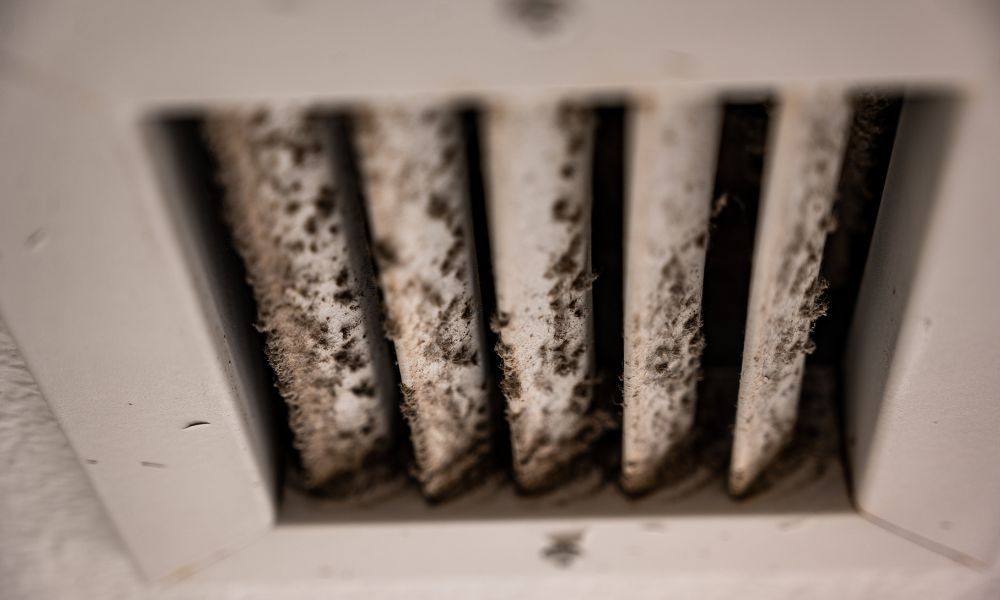
Roof leaks after storms are another common source. Even small breaches can allow water to enter and travel along framing, spreading moisture to multiple areas. Air ducts are also a frequent problem zone, especially when condensation builds up inside poorly insulated ductwork.
Properties in coastal areas like Lauderdale-by-the-Sea are particularly prone to moisture-related issues due to salt air and elevated humidity levels.
Why DIY Black Mold Removal Usually Fails
Many property owners attempt to remove black mold themselves using household cleaners or store-bought products. While this may temporarily remove visible growth, it rarely solves the underlying problem. Mold often grows beneath the surface, inside porous materials that cannot be fully cleaned without proper equipment.
Scrubbing surface mold without addressing moisture can actually make the situation worse by spreading spores to other areas. Without identifying and correcting the source of moisture, mold is almost guaranteed to return. DIY methods often lead to repeated cleanups rather than permanent solutions.
Professional Black Mold Inspection and Testing
Effective black mold removal begins with proper inspection and, when needed, testing. A professional inspection focuses on identifying where mold is present and why it developed. Moisture detection tools help locate damp areas inside walls, ceilings, and floors without unnecessary demolition.
In Fort Lauderdale properties, inspections often include evaluating AC systems, bathrooms, kitchens, roofing components, and exterior walls. Mold testing may be used to confirm the presence of mold in hidden areas and to guide the remediation process.
This step is critical because it ensures that remediation targets the full extent of the problem, not just what is visible.
Proper Black Mold Removal and Remediation Process
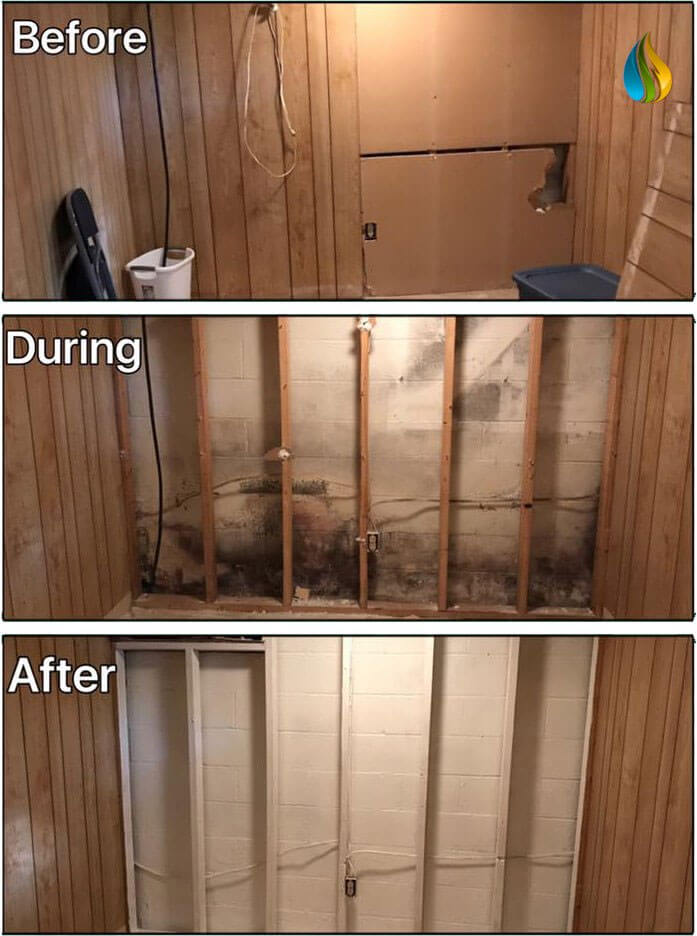
Professional black mold removal follows a structured process designed to protect the property and prevent cross-contamination. Affected areas are isolated to keep mold from spreading during removal. Contaminated materials such as drywall, insulation, or carpeting are carefully removed when necessary.
Remaining surfaces are cleaned using appropriate methods, and moisture levels are addressed to ensure conditions no longer support mold growth. Proper drying and moisture control are essential parts of remediation. Without them, even the best cleaning efforts will fail over time.
Water Damage Repair and Flood-Related Mold Issues
In many Fort Lauderdale properties, black mold is linked to past water damage or flooding. Even when visible water is removed, moisture can remain trapped inside building materials. Flood restoration and water removal services focus on thorough drying and monitoring to ensure materials return to safe moisture levels.
Prompt water damage repair reduces the risk of mold developing weeks or months after a flooding event. This is especially important in low-lying areas and properties with slab foundations common throughout Broward County.
Air Ducts, AC Systems, and Black Mold
Air conditioning systems and ductwork are closely connected to black mold issues in South Florida. Condensation inside ducts, dirty coils, or poor airflow can introduce moisture and spread mold spores throughout a property.
Air duct cleaning and AC-related moisture repairs help reduce mold risk and improve indoor air quality. Proper insulation, sealed ductwork, and routine maintenance play a major role in long-term mold prevention.
Preventing Black Mold in Fort Lauderdale Properties
Prevention starts with moisture control. Regular AC maintenance, prompt plumbing repairs, and proper ventilation help keep humidity levels in check. Monitoring indoor humidity and addressing small issues early can prevent mold from gaining a foothold.
After heavy rains or storms, property owners should inspect attics, ceilings, and exterior walls for signs of water intrusion. Early detection makes remediation simpler and less disruptive.
Why Local Experience Matters
Black mold removal in Fort Lauderdale requires an understanding of local conditions. Florida’s climate, construction styles, and HVAC systems all influence how mold develops and spreads. Local experience helps professionals identify likely problem areas and choose effective solutions.
Pompano Mold Inspection and Testing brings that local knowledge to properties across Fort Lauderdale, Pompano Beach, Deerfield Beach, Margate, Coconut Creek, North Lauderdale, and surrounding communities.
A Calm, Practical Next Step
Black mold can feel overwhelming, but it doesn’t have to be. With proper inspection, moisture detection, and professional remediation, property owners can address the issue effectively and protect their investment. Taking a calm, informed approach helps ensure black mold is handled correctly the first time, reducing future risk and long-term damage.
