
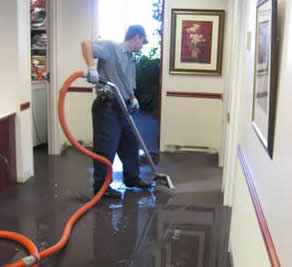
Property Owner Guide to Carpet Cleaning After Water Damage in Deerfield Beach
For property owners in Deerfield Beach, carpet water damage is one of those problems that looks manageable at first—and then quietly grows. A small plumbing leak, storm intrusion, or AC issue can soak carpet and padding fast. Even when the surface feels dry, moisture often remains trapped underneath, leading to odors, material damage, and tenant complaints if it isn’t handled correctly.
Carpet cleaning after water damage is not just a cleaning task. It’s a recovery process that starts with inspection, focuses on proper drying, and ends with informed repair decisions that protect the property long term in South Florida’s humid climate.
What Happens to Carpet After Water Damage
Carpet acts like a sponge. Once water hits it, moisture moves downward into the padding and, in many cases, the subfloor. In Deerfield Beach homes, high humidity slows evaporation, so trapped moisture lingers longer than many property owners expect.
If moisture isn’t removed properly, carpet water damage can lead to:
- Persistent musty odors
- Padding breakdown and loss of support
- Subfloor moisture and deterioration
- Repeat staining or dampness
That’s why inspection must come before cleaning.
Common Causes of Carpet Water Damage in Deerfield Beach Properties
Most carpet water damage in residential properties comes from recurring local issues rather than major floods.
Common causes include:
- Roof leaks during heavy rain
- Plumbing leaks under sinks or behind walls
- AC drain line clogs or overflowing pans
- Water intrusion near doors and sliders
- Minor flooding from drainage issues
Even brief water exposure can create problems if it isn’t addressed quickly.
Early Signs Property Owners Should Watch For
Tenants often notice changes before obvious damage appears. These early signs shouldn’t be ignored.
Warning signs include:
- Carpet that feels cool, damp, or spongy
- Musty or sour odors that linger
- Darkened carpet edges near baseboards
- Rippling or loose carpet
- Increased indoor humidity
These symptoms usually point to moisture beneath the surface.
Why Inspection Is the First Step
Cleaning wet carpet without inspection often leads to repeat problems. The priority is determining how far moisture traveled and whether materials are salvageable.
A proper inspection typically includes:
- Moisture detection in carpet, padding, and subfloor
- Identifying the water source
- Estimating how long materials were wet
- Deciding whether padding can be dried or must be replaced
Skipping inspection risks odor return and tenant dissatisfaction.
Hidden Moisture Beneath Carpet
In Deerfield Beach properties, moisture commonly hides where it’s hardest to notice.
Professionals frequently find trapped moisture:
- Beneath carpet padding near exterior walls
- Along slab edges after rain intrusion
- Under furniture that blocked airflow
- Near AC closets or return vents
Moisture meters are essential to confirm whether drying is complete.
Why DIY Carpet Drying Usually Falls Short
Property owners sometimes rely on fans or household dehumidifiers. While these may dry the surface, they rarely address moisture below the carpet.
DIY drying often fails because:
- Padding holds water longer than carpet fibers
- Subfloors dry unevenly
- Odors return once humidity rises
- The moisture source may still be active
Professional drying targets all layers, not just what’s visible.
Professional Carpet Cleaning After Water Damage Explained
Once inspection confirms drying is possible, professional carpet cleaning follows a controlled process.
The process often includes:
- Water extraction from carpet and padding
- Strategic drying with air movers and dehumidifiers
- Moisture monitoring until safe levels are reached
- Deep cleaning only after full drying
- Odor treatment if necessary
Cleaning too early can trap odors and bacteria in the carpet.
Local providers such as Pompano Mold Inspection and Testing approach carpet cleaning as part of a full water-damage recovery plan, not a standalone service.
When Carpet Padding Needs Repair or Replacement
Padding condition often determines whether carpet can be saved. In many cases, replacing padding while keeping the carpet is the best option.
Padding replacement is more likely when:
- Padding stayed wet for an extended period
- Odors persist after drying
- Water exposure occurred more than once
- Padding has lost structure or resilience
This approach restores comfort without full carpet replacement.
Mold Risk Beneath Wet Carpet
In Deerfield Beach’s humid environment, damp carpet and padding create ideal conditions for mold—often out of sight.
Proper inspection and drying help:
- Remove moisture before mold develops
- Identify high-risk areas early
- Support targeted mold inspection if needed
Early action often prevents larger remediation projects.
Carpet Cleaning After Storms or Minor Flooding
Storms don’t need to flood a home to damage carpet. Wind-driven rain and brief intrusion near doors can soak edges and padding.
Post-storm carpet care often includes:
- Moisture checks even if carpet looks dry
- Focused drying along seams and walls
- Coordination with water removal services
This prevents delayed odor and moisture problems.
Repairing Surrounding Materials After Drying
Once carpets are dry and clean, surrounding repairs may be necessary to fully restore the space.
These may include:
- Baseboard replacement
- Minor drywall repair
- Subfloor spot repairs
- Carpet re-stretching or reinstallation
Completing these repairs helps prevent repeat issues.
Preventing Future Carpet Water Damage
Property owners can reduce future risk with proactive steps:
- Address leaks immediately
- Maintain AC drain lines and pans
- Improve door and window seals
- Monitor indoor humidity
- Schedule post-storm inspections
Early detection keeps repairs smaller and less disruptive.
Why Local Experience Matters in Deerfield Beach
Drying carpet in South Florida is different from drier climates. Local experience matters because professionals understand how humidity, storms, and construction styles affect drying times and odor control.
Local specialists know where carpet moisture problems typically develop and how to address them efficiently in Deerfield Beach homes.
A Practical Guide for Property Owners
Carpet cleaning after water damage is about more than appearance—it’s about protecting the structure beneath the floor and the comfort of occupants. For Deerfield Beach property owners, proper inspection, drying, and repair decisions prevent repeat problems and long-term damage.
If your property has experienced water exposure, a professional assessment can determine whether carpet can be safely restored. Acting early keeps costs down, avoids odors, and helps ensure your property remains comfortable and well-maintained in Florida’s demanding climate.
