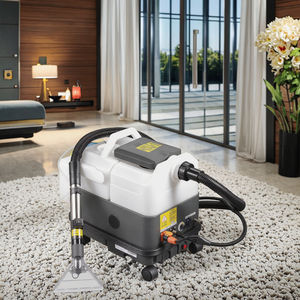
Property Owner Guide to Carpet Cleaning After Water Damage in Fort Lauderdale
Water damage is one of the most common problems property owners face in Fort Lauderdale. Heavy seasonal rain, plumbing leaks, AC condensation, and occasional flooding can all leave carpets saturated. While the visible water may be removed quickly, carpets often retain moisture deep within their fibers and padding, creating conditions that can lead to odors, deterioration, and mold growth if not properly cleaned and dried.
For homeowners, landlords, and property managers, understanding how carpet cleaning after water damage works—and why it matters—can help protect both the property and the indoor environment.
What Happens to Carpets After Water Damage
Carpet fibers absorb water quickly, but the real problem often lies beneath the surface. Padding and subfloor materials can trap moisture long after the carpet appears dry. In Fort Lauderdale’s humid climate, natural drying can be slow, allowing moisture to remain trapped for extended periods.
When carpets stay damp, several problems can develop:
- Odors caused by bacteria or microbial growth
- Weakening of carpet backing and adhesive
- Staining and discoloration
- Mold growth in padding or subfloor
- Damage to nearby baseboards or drywall
Because moisture spreads outward and downward, even small leaks can affect larger areas than expected.
Why Water-Damaged Carpets Are Common in Fort Lauderdale
Fort Lauderdale’s coastal environment creates conditions where water damage occurs more frequently than in many other parts of the country. High humidity levels make drying more difficult, and sudden rainstorms can introduce moisture through roofs, windows, or entryways.
Air conditioning systems, which operate nearly year-round, also produce condensation. When drain lines clog or airflow is restricted, moisture may accumulate in nearby flooring and carpets.
Older homes and rental properties sometimes have carpets installed over concrete slabs, which can hold moisture and slow the drying process. Once water penetrates these materials, professional drying becomes essential.
Common Signs Carpet Cleaning Is Needed After Water Damage
Not all water damage is immediately obvious. Property owners often notice early signs that carpets have been affected, including:
- A damp or musty smell in certain rooms
- Carpet that feels slightly damp or cool
- Darkened or uneven areas in the carpet
- Increased indoor humidity
- Allergy-like irritation when indoors
- Warping or swelling of nearby baseboards
These signs usually indicate moisture beneath the surface, even if the carpet appears dry.
Hidden Moisture Beneath the Surface
One of the biggest challenges with water-damaged carpets is that moisture often remains trapped in padding or subflooring. The top layer of carpet may dry first, giving the impression that the problem is resolved, while deeper layers remain wet.
Concrete subfloors common in Fort Lauderdale homes can also retain moisture, allowing humidity to migrate back into carpets over time. This can lead to recurring odors or mold growth if not properly addressed.
Closets, corners of rooms, and areas beneath furniture often dry more slowly because airflow is limited.
Why DIY Carpet Cleaning Often Falls Short
Many homeowners attempt to clean carpets using household carpet cleaners or fans. While these methods may remove surface moisture or stains, they rarely address moisture trapped in padding or beneath flooring.
Household equipment typically lacks the power needed to extract large amounts of water or dry deep layers effectively. Incomplete drying is one of the most common reasons carpets develop persistent odors or mold after water damage.
Using excessive water during cleaning can also worsen the problem if drying is insufficient.
Professional Carpet Cleaning and Drying Explained
Professional carpet cleaning after water damage involves several steps designed to restore the carpet safely and thoroughly:
- Moisture assessment to determine how deeply water has penetrated
- Water extraction using high-powered equipment
- Removal of damaged padding if necessary
- Professional drying and dehumidification
- Deep cleaning to remove contaminants and odors
- Monitoring moisture levels to ensure complete drying
This process helps prevent mold growth and ensures carpets are safe to use again.
Professionals familiar with South Florida conditions, such as Pompano Mold Inspection and Testing, often emphasize the importance of thorough drying in humid environments where moisture lingers longer than expected.
When Carpets Cannot Be Saved
In some cases, carpets may be too heavily damaged to restore. Prolonged saturation, contamination from floodwater, or severe mold growth can make replacement the safest option.
However, early intervention often prevents this outcome. Prompt extraction and drying significantly increase the likelihood that carpets can be restored successfully.
The Role of Mold Inspection After Water Damage
Moisture left in carpets or padding can create conditions where mold develops within days. Mold may begin growing in areas that are not visible, such as beneath flooring or inside baseboards.
Mold inspection helps determine whether microbial growth has begun and whether remediation is necessary. Detecting mold early prevents it from spreading to other areas of the home.
Water Damage Repair Beyond the Carpet
Carpet cleaning is only one part of restoring a home after water damage. Moisture may also affect:
- Drywall and insulation
- Wood framing and subfloors
- Baseboards and trim
- Air ducts and HVAC components
Proper inspection ensures that hidden moisture is addressed before it causes further damage.
Air Ducts, AC Systems, and Indoor Moisture
HVAC systems play a major role in drying and maintaining indoor air quality after water damage. Dirty or clogged ducts can trap moisture and spread odors throughout the home.
Ensuring that air ducts are clean and that AC drain lines are functioning properly helps reduce humidity and speed the drying process. Balanced airflow also prevents certain areas of the home from remaining damp.
Preventing Carpet Water Damage in the Future
While not all water damage can be avoided, property owners in Fort Lauderdale can reduce risk by taking several preventive steps:
- Inspect roofs and plumbing regularly
- Clean AC drain lines and maintain HVAC systems
- Use dehumidifiers during periods of high humidity
- Address small leaks promptly
- Ensure proper ventilation in bathrooms and laundry areas
- Avoid delaying cleanup after spills or minor leaks
Routine maintenance helps prevent moisture from building up and damaging carpets over time.
Why Local Experience Matters
Homes in Fort Lauderdale, Lighthouse Point, Deerfield Beach, and surrounding Broward County communities share similar climate conditions and construction features. Professionals familiar with these factors understand how quickly moisture can affect carpets and how drying methods must be adjusted for humid environments.
Pompano Mold Inspection and Testing has worked with many property owners across the region dealing with water-damaged flooring and hidden moisture. Local experience helps ensure that drying and cleaning methods are effective for South Florida conditions.
A Practical Approach for Property Owners
Carpet cleaning after water damage is not just about restoring appearance—it is about preventing long-term problems. Prompt extraction, thorough drying, and proper inspection help protect the structure of a home and maintain a comfortable indoor environment.
For property owners in Fort Lauderdale, responding quickly to water damage and ensuring carpets are cleaned and dried properly can prevent costly repairs and keep living spaces safe and comfortable.