
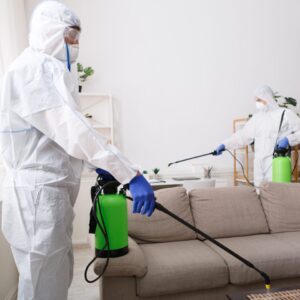
Property Owner Guide to Carpet Cleaning After Water Damage in Margate
Margate, Florida, is prone to heavy rainfall, tropical storms, and high humidity, which makes homes susceptible to water intrusion and damage. One of the most affected household items is carpeting. Water-damaged carpets can quickly become a source of mold, bacteria, and structural damage if not cleaned and dried properly.
For property owners, understanding carpet cleaning after water damage is crucial to maintain indoor air quality, preserve property value, and prevent long-term health hazards. This guide provides a comprehensive overview of the causes of carpet water damage, professional cleaning methods, preventive strategies, costs, and post-cleaning maintenance.
1. Common Causes of Carpet Water Damage in Margate Homes
Water can damage carpets in several ways, often linked to environmental or structural factors:
A. Flooding and Storm Damage
- Heavy rainfall and storms can flood basements, first floors, or low-lying areas
- Storm surge or drainage failures can submerge carpets in water
B. Plumbing Leaks
- Burst pipes, leaking water heaters, or faulty appliances (washing machines, dishwashers) can saturate carpets
- Slow leaks may go unnoticed, leading to prolonged moisture exposure
C. HVAC and AC Condensation
- Air conditioning units or ductwork can leak or produce excessive condensation
- Water accumulation under carpet padding is a common hidden problem
D. Spills and Appliance Overflows
- Minor water events, like refrigerator leaks or bathtub overflows, can also damage carpeting
2. Types of Water Damage Affecting Carpets
Understanding the type of water helps determine cleaning and safety measures:
Category 1: Clean Water
- Comes from broken pipes or rainwater without contaminants
- Minimal health risk if removed promptly
Category 2: Gray Water
- From washing machines, dishwashers, or AC units
- Contains detergents, chemicals, or microorganisms
- Requires professional cleaning to prevent contamination
Category 3: Black Water
- Sewage backups or floodwaters with bacteria and pathogens
- Highly hazardous and requires certified remediation professionals
The longer water remains in the carpet, the more severe the damage and health risk.
3. Health Risks of Water-Damaged Carpets
Water-damaged carpets can harbor mold, bacteria, and allergens, posing serious health risks:
- Respiratory issues: coughing, wheezing, asthma exacerbation
- Allergic reactions: sneezing, watery eyes, rashes
- Infections: exposure to gray or black water may cause gastrointestinal or skin infections
- Toxic mold growth: prolonged moisture can allow black mold to develop
Prompt removal and professional cleaning reduce health hazards significantly.
4. Signs Your Carpet Needs Immediate Attention
Property owners should act quickly if they notice:
- Damp or wet carpet even after minor spills
- Musty or moldy odors
- Visible stains or discoloration from water intrusion
- Warped flooring underneath carpet
- Allergy symptoms or health issues in residents
Even if water is not visible, moisture may persist under carpet padding, making inspection critical.
5. Professional Carpet Cleaning After Water Damage
Effective carpet cleaning after water damage involves a structured, multi-step process:
A. Initial Assessment
- Determine the type of water (clean, gray, or black)
- Inspect affected areas and measure moisture levels with moisture meters or thermal imaging
- Decide whether carpet can be salvaged or requires replacement
B. Water Extraction
- Use industrial pumps, wet/dry vacuums, or submersible pumps to remove standing water
- Clean water can be extracted faster, while gray or black water requires safety precautions
C. Carpet Cleaning Techniques
- Hot water extraction: removes dirt, bacteria, and moisture deep within fibers
- Foam cleaning: suitable for lightly soiled carpets with minimal moisture
- Encapsulation cleaning: traps contaminants in the cleaning solution for removal
D. Drying
- High-capacity air movers and dehumidifiers prevent mold and mildew formation
- Hidden padding and subfloor moisture must be dried completely
E. Sanitization
- Apply antimicrobial solutions to prevent mold and bacteria growth
- In case of black water, affected carpet and padding are often discarded
F. Post-Cleaning Inspection
- Verify moisture levels are safe
- Inspect carpet for lingering stains, odors, or mold
Professional cleaning ensures that carpets are restored safely and hygienically.
6. DIY vs. Professional Carpet Cleaning
While homeowners may attempt minor water cleanup using mops or portable vacuums, professional services are recommended for:
- Large-scale flooding or multiple rooms affected
- Carpets exposed to gray or black water
- Saturated padding or subfloor moisture
- Moldy or odorous carpets
Professionals have equipment, experience, and sanitization methods to prevent recurring damage.
7. Costs of Carpet Cleaning After Water Damage in Margate
Costs vary depending on carpet size, water type, and damage severity:
| Carpet Cleaning Type | Approximate Cost (USD) |
|---|---|
| Small area (<200 sq. ft., clean water) | $200 – $500 |
| Medium area (200–500 sq. ft.) | $500 – $1,500 |
| Large area (>500 sq. ft. or gray water) | $1,500 – $5,000 |
| Black water damage or replacement | $2,000 – $7,000+ |
Costs include water extraction, deep cleaning, drying, sanitization, and potential padding replacement.
8. Preventive Measures to Protect Carpets
Preventing water damage reduces health risks and cleaning costs:
A. Install Water Detectors
- Place near appliances, water heaters, and HVAC units
B. Maintain Plumbing
- Inspect pipes, drains, and appliances regularly for leaks
C. Improve Drainage
- Grade landscaping to direct water away from the home
- Ensure gutters and downspouts are clear
D. Use Water-Resistant Carpets
- In high-risk areas, install carpets with moisture-resistant backing
E. Prepare for Storms
- Elevate carpets, rugs, and furniture in flood-prone rooms
- Keep an emergency water pump or wet/dry vacuum
F. Regular Cleaning and Maintenance
- Routine vacuuming and professional deep cleaning help prevent dirt and moisture accumulation
9. Post-Cleaning Care for Water-Damaged Carpets
After professional cleaning:
- Keep indoor humidity below 50% with dehumidifiers or AC
- Avoid walking on damp carpets until fully dried
- Monitor for mold growth or lingering odors
- Schedule annual professional carpet inspections
Proper post-cleaning care extends carpet life and prevents recurring water damage.
10. Insurance Considerations
Property owners in Margate should:
- Verify homeowners’ insurance coverage for floods, storms, and water damage
- Document water damage with photos and remediation receipts
- Retain professional cleaning reports for claims
Insurance coverage may influence whether carpets are cleaned or replaced.
11. Conclusion
Water damage to carpets is a common problem in Margate homes due to storms, plumbing leaks, and high humidity. Addressing it promptly through professional carpet cleaning provides multiple benefits:
- Protects health from mold, bacteria, and allergens
- Preserves property value by preventing structural damage and mold growth
- Maintains indoor air quality and comfort
- Extends carpet lifespan through proper cleaning and drying
- Supports insurance claims with documentation
Property owners should act quickly when water damage occurs, use professional services for large or contaminated areas, and implement preventive strategies such as leak monitoring, water-resistant carpets, and regular inspections. By combining rapid response, professional expertise, and preventive measures, homeowners can maintain safe, clean, and healthy carpeted spaces in their Margate homes.
