
Property Owner Guide to Home Moisture Control in Deerfield Beach
For property owners in Deerfield Beach, moisture control is not just a comfort issue. It is a core part of protecting buildings, reducing maintenance costs, and preventing recurring damage. High humidity, seasonal storms, coastal air, and constant air conditioning use make moisture problems common in both owner-occupied homes and rental properties.
Effective moisture control requires more than reacting to visible damage. It involves understanding where moisture comes from, how it behaves inside homes, and which preventive steps actually work in Deerfield Beach’s climate.
Why Moisture Control Is Essential in Deerfield Beach Homes
Deerfield Beach experiences warm temperatures and elevated humidity for most of the year. Even when there is no rain, moisture remains present in the air and inside homes.
Air conditioning systems remove humidity, but they can also create moisture problems if drain lines clog, insulation fails, or airflow is unbalanced. Over time, this can introduce water into walls, ceilings, and floors.
Without proper moisture control, small issues often grow into larger problems involving odors, material deterioration, and repeated repairs. For property owners, unmanaged moisture leads to higher long-term costs.
Common Sources of Moisture in Residential Properties
Plumbing leaks are a major source of hidden moisture. Slow leaks under sinks, behind walls, or beneath slab foundations can remain undetected for long periods.
Roof leaks after storms allow water into attics and ceiling cavities. Wind-driven rain can push moisture far from the original entry point.
AC-related moisture is extremely common. Clogged condensate drain lines, cracked drain pans, and sweating ducts introduce water into living spaces.
Ground moisture can also affect homes, especially those built on slab foundations where water can migrate beneath flooring after heavy rain.
How Moisture Moves and Hides Inside Homes
Moisture does not stay where it enters. Water often spreads through wall cavities, under flooring, and across ceiling structures.
Porous materials such as drywall, insulation, carpet padding, and wood absorb moisture and release it slowly. This keeps indoor humidity elevated even after surfaces appear dry.
Because moisture often remains hidden, property owners may not realize a problem exists until secondary damage appears.
Early Warning Signs Property Owners Should Watch For
A musty or damp odor that does not fade is often the first sign of moisture issues. This smell may become stronger when the AC runs.
Discoloration on walls or ceilings, including faint stains, often indicates water behind surfaces.
Paint that bubbles, peels, or cracks without obvious cause is another common warning sign.
Floors may feel uneven, soft, or slightly warped. In rental properties, repeated tenant complaints about humidity or odors often point to underlying moisture problems.
Why Moisture Problems Are Common in Rental Properties
Rental properties experience higher system wear due to frequent occupancy changes. AC systems run continuously and may not receive consistent maintenance.
Tenants may not report small leaks right away, allowing moisture to spread unnoticed.
Turnover periods can also introduce moisture if units are closed up without proper ventilation.
For property owners, proactive moisture control helps reduce emergency repairs and tenant dissatisfaction.
Why Visual Checks Are Not Enough
Many moisture problems cannot be seen. Walls and floors may appear dry while moisture remains trapped inside materials.
Relying only on visual inspections often leads to missed issues and recurring damage.
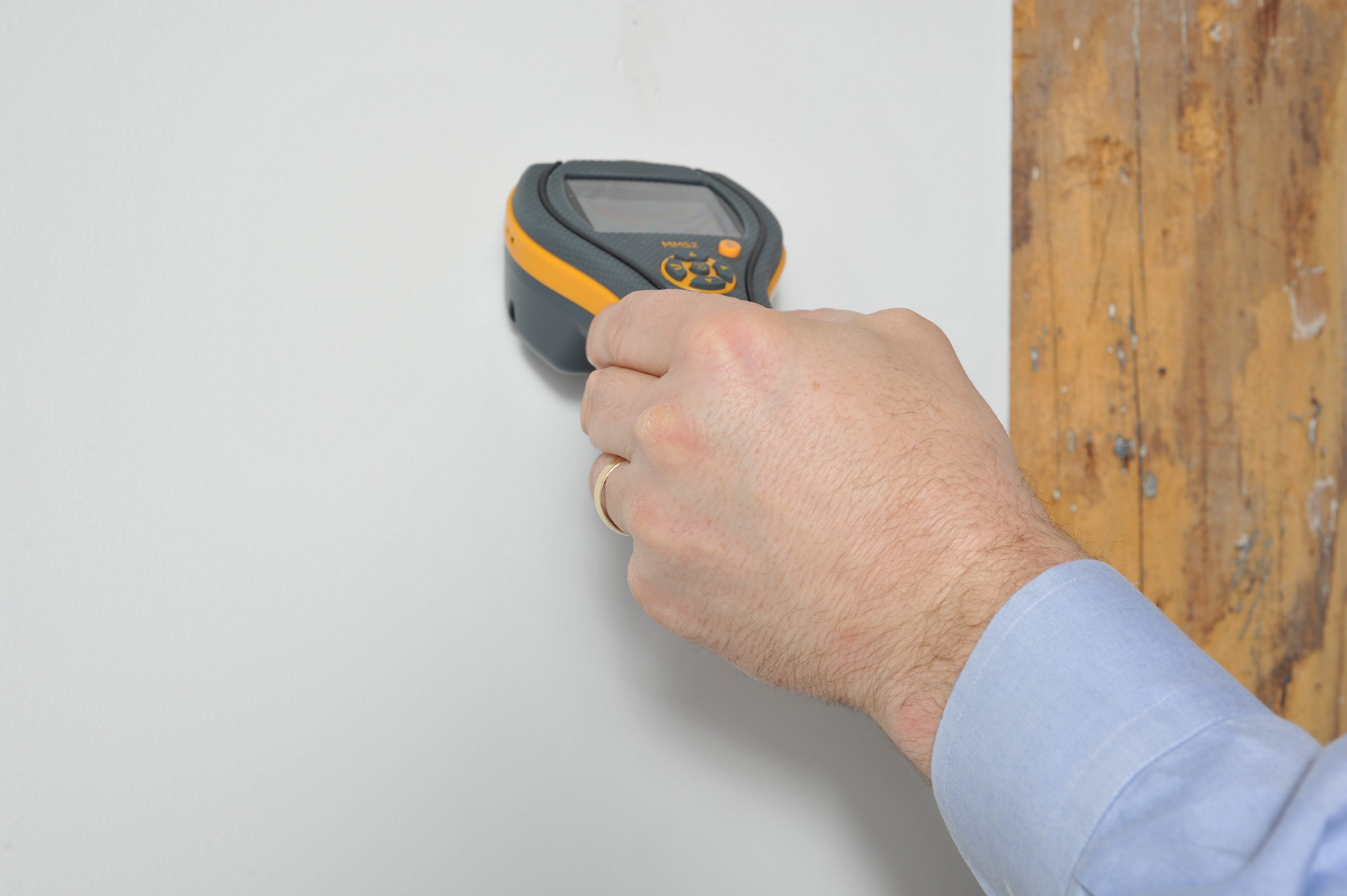
Moisture detection tools measure water content inside building materials, providing confirmation that areas are truly dry or still affected.
How Professional Moisture Control Inspections Work
Moisture control begins with a detailed inspection. Moisture meters help locate hidden damp areas inside walls, ceilings, floors, and insulation.
Thermal imaging may be used to identify temperature differences caused by moisture evaporation.
Inspection findings guide targeted drying, repairs, and preventive measures instead of guesswork.
Pompano Mold Inspection and Testing provides moisture control inspections for Deerfield Beach properties with a focus on identifying hidden moisture and long-term solutions.
Effective Moisture Control Solutions for Property Owners
Maintaining AC systems is one of the most important steps. Clear drain lines, intact insulation, and balanced airflow reduce condensation-related moisture.
Prompt plumbing repairs prevent slow leaks from spreading into structural areas.
Roof and exterior inspections help prevent storm-related water intrusion.
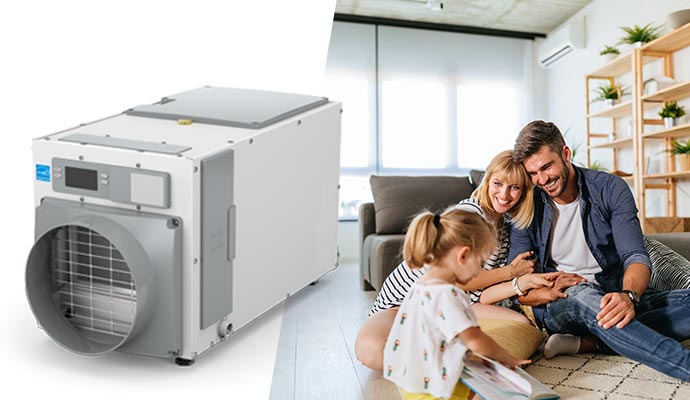
Using dehumidification during humid months helps stabilize indoor moisture levels beyond what AC systems alone can manage.
Proper ventilation in bathrooms, kitchens, and laundry areas reduces localized moisture buildup.
Moisture Control and Mold Prevention
Mold depends on moisture. Without controlling moisture, mold prevention is not possible.
By identifying and eliminating moisture sources early, property owners reduce the risk of mold growth inside walls, floors, and HVAC systems.
Moisture control is one of the most effective long-term strategies for avoiding mold remediation costs.
The Role of HVAC Systems in Moisture Control
HVAC systems are central to moisture management in Deerfield Beach homes. However, improperly maintained systems can contribute to moisture problems.
Sweating ducts, clogged drains, and oversized or undersized systems all affect humidity balance.
Regular HVAC inspections help ensure systems are removing moisture as intended rather than introducing it.
Practical Moisture Control Tips for Property Owners
Schedule routine inspections, especially after storms or water-related incidents.
Address small leaks immediately, even if they seem minor.
Avoid sealing or repainting areas until moisture levels are confirmed dry.
During vacancy periods, ensure proper ventilation and humidity control.
Document moisture-related inspections and repairs to track property condition over time.
Why Local Experience Matters in Deerfield Beach
Moisture behavior varies by location. Deerfield Beach homes face specific challenges related to coastal humidity, storm exposure, and construction styles.
Local professionals understand where moisture typically hides and how it behaves in South Florida conditions.
Pompano Mold Inspection and Testing brings this local understanding to Deerfield Beach, Pompano Beach, Lighthouse Point, Fort Lauderdale, and surrounding Broward County areas.
A Practical Approach for Property Owners
For property owners in Deerfield Beach, moisture control is an ongoing responsibility. Proactive inspections, timely repairs, and proper humidity management protect both the property and the people living in it.
Taking a structured, informed approach to moisture control helps prevent recurring damage, reduces long-term costs, and supports healthier indoor conditions year-round.
