Property Owner Guide to Moisture Detection in Fort Lauderdale
Moisture problems are one of the most common issues property owners face in Fort Lauderdale. Between heavy rainfall, high humidity, coastal air, and year-round air-conditioning use, homes and buildings are constantly exposed to conditions that allow moisture to accumulate. When moisture goes undetected, it can lead to mold growth, structural damage, and costly repairs.
Moisture detection is the key to preventing these problems. Understanding how it works, where moisture hides, and what warning signs to watch for can help property owners protect their homes and rental properties.
What Moisture Detection Means
Moisture detection is the process of locating excess moisture in building materials, even when it isn’t visible. Water often travels through walls, flooring, and ceilings, making it difficult to identify without proper tools.
Professional moisture detection focuses on:
- Identifying hidden damp areas
- Measuring moisture levels in materials
- Locating sources of water intrusion
- Preventing mold growth and structural damage
Detecting moisture early allows repairs to be made before larger problems develop.
Why Moisture Problems Are Common in Fort Lauderdale
Fort Lauderdale and nearby communities like Lighthouse Point, Deerfield Beach, Pompano Beach, Margate, and Coconut Creek share environmental conditions that make moisture issues more likely.
Key factors include:
- High humidity for much of the year
- Frequent storms and heavy rain
- Coastal air that slows drying
- Air-conditioning systems producing condensation
- Flat terrain that allows water to accumulate
Because of these conditions, even small leaks or condensation problems can result in long-term moisture buildup.
Common Causes of Hidden Moisture
Moisture often develops gradually and may not be noticeable until damage has already begun.
Some of the most frequent causes include:
Plumbing Leaks
Small leaks behind walls, under sinks, or around fixtures often go unnoticed for long periods.
Roof Leaks
Damaged shingles or flashing allow rainwater to enter attic spaces and ceiling cavities.
AC Condensation
Clogged drain lines or sweating ducts frequently create moisture problems in closets, ceilings, and wall cavities.
Flooding or Storm Damage
Heavy rain can force water into homes through windows, doorways, or foundation cracks.
Poor Ventilation
Bathrooms, kitchens, and attics without proper airflow allow humidity to accumulate indoors.
Identifying the source of moisture is just as important as detecting it.
Early Warning Signs Property Owners Should Watch For
Moisture problems usually reveal themselves through small changes in the home.
Common warning signs include:
- Musty or damp odors
- Peeling or bubbling paint
- Warped baseboards
- Dark spots on ceilings or walls
- Increased indoor humidity
- Condensation on windows or vents
These symptoms often indicate moisture trapped inside building materials.
Where Moisture Often Hides
During inspections in Fort Lauderdale properties, moisture is frequently discovered in areas that are rarely checked.
These include:
- Inside wall cavities
- Under laminate or vinyl flooring
- Beneath carpet padding
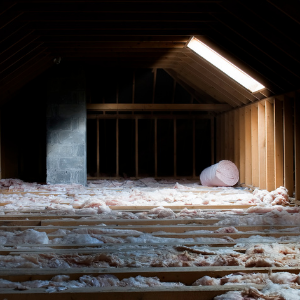
- Inside attic insulation
- Around air handlers and ductwork
- Behind cabinets and appliances
Because these areas are concealed, moisture can remain for months without being noticed.
How Professional Moisture Detection Works
Professional moisture detection involves using specialized tools to locate hidden water and measure moisture levels accurately.
Typical methods include:
Moisture Meters
These devices measure moisture content in drywall, wood, and other materials.
Thermal Imaging
Infrared cameras help locate temperature differences that indicate hidden moisture.
Humidity Measurement
Monitoring indoor humidity helps identify areas where moisture is accumulating.
Visual Inspection
Experienced inspectors know where moisture commonly develops in South Florida homes.
Companies such as Pompano Mold Inspection and Testing often use these methods to identify moisture problems early and prevent mold growth.
Why DIY Detection Often Misses Hidden Moisture
Property owners sometimes rely on visual inspection alone. While this can reveal obvious damage, hidden moisture often remains undetected.
DIY detection may fail because:
- Moisture is trapped behind walls or flooring
- Humidity levels are not measured accurately
- Early mold growth is not visible
- Small leaks go unnoticed
Professional equipment allows inspectors to detect moisture long before visible damage appears.
The Connection Between Moisture and Mold
Moisture is the main condition required for mold growth. When building materials remain damp, mold can begin developing in as little as 24 to 48 hours in warm, humid climates.
Common mold-prone areas include:
- Baseboards and drywall
- Carpet padding
- Attic sheathing
- Air ducts
- Closets and storage areas
Detecting moisture early is the most effective way to prevent mold from developing.
Air Conditioning Systems and Hidden Moisture
Air-conditioning systems play a major role in indoor moisture levels. When operating properly, they help control humidity. However, problems can lead to moisture buildup.
Common HVAC-related moisture issues include:
- Clogged condensate drain lines
- Dirty coils reducing airflow
- Poor duct insulation
- Leaky ductwork
If moisture accumulates in ducts or air handlers, it can spread throughout the home and affect indoor air quality.
Routine inspection of HVAC systems helps reduce these risks.
What Happens After Moisture Is Detected
Once moisture is located, the next step is addressing the source and drying affected areas.
A typical process includes:
- Repairing leaks or intrusion points
- Removing standing water if present
- Using air movers and dehumidifiers
- Monitoring moisture levels during drying
- Repairing damaged materials if necessary
Proper drying is essential to preventing mold and structural deterioration.
Practical Prevention Tips for Property Owners
While moisture problems cannot always be avoided, several steps can significantly reduce risk.
Helpful prevention measures include:
- Inspect roofs after storms
- Check plumbing connections regularly
- Clean gutters and downspouts
- Monitor indoor humidity levels
- Service air-conditioning systems annually
- Repair leaks immediately
Using a humidity monitor indoors provides an early warning when moisture levels begin to rise.
Why Local Experience Matters
Moisture detection in South Florida requires an understanding of local building materials, climate conditions, and common problem areas.
Professionals working in Fort Lauderdale, Lighthouse Point, Deerfield Beach, and Margate understand:
- How coastal humidity affects homes
- Typical leak locations in local construction
- Seasonal moisture patterns
- Effective drying techniques in humid environments
This experience helps ensure moisture problems are accurately diagnosed and properly resolved.
Taking Early Action Protects Your Property
Moisture problems rarely resolve on their own. The sooner moisture is detected and addressed, the lower the risk of mold growth, structural damage, and costly repairs.
If musty odors, damp spots, or unexplained humidity appear, scheduling a professional inspection can help identify hidden moisture and prevent larger problems. Pompano Mold Inspection and Testing is familiar with the types of moisture issues commonly found in Fort Lauderdale properties, and early evaluation often prevents more serious damage later.
Detecting moisture early and controlling humidity are among the most effective ways to protect homes and rental properties in Fort Lauderdale’s humid climate.