Property Owner Guide to Moisture Detection in North Lauderdale
Moisture problems are one of the most common issues affecting homes and rental properties in North Lauderdale. Because much of the damage happens gradually and out of sight, property owners often don’t realize there is a problem until stains, odors, or mold begin to appear. Moisture detection is an essential step in identifying hidden water intrusion, preventing structural damage, and maintaining a safe indoor environment.
For homeowners, landlords, and property managers, understanding how moisture develops, how detection works, and how problems are resolved can help protect property value and avoid costly repairs.
What Moisture Detection Means
Moisture detection is the process of identifying water or elevated humidity levels in areas where moisture is not visible. Unlike obvious leaks or flooding, many moisture problems develop behind walls, beneath flooring, inside ceilings, or within air duct systems.
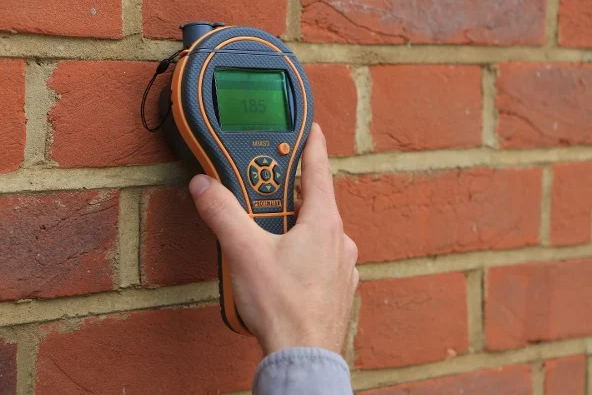
Professional detection involves specialized equipment that measures moisture levels in building materials and helps locate hidden damp areas. This allows property owners to address the source of moisture rather than treating only surface symptoms.
Moisture detection is often recommended when there are signs of humidity problems, musty odors, or suspected leaks.
Why Moisture Problems Are Common in North Lauderdale
North Lauderdale’s climate plays a major role in indoor moisture issues. High humidity is present for much of the year, and frequent storms raise moisture levels even further. Homes in this region must rely heavily on air conditioning to maintain comfort, and AC systems naturally produce condensation.
When ventilation is poor or drain lines become clogged, condensation may accumulate in ceilings, ducts, or wall cavities. Even small leaks or humidity buildup can create conditions where moisture remains trapped for long periods.
Older homes sometimes have limited attic ventilation or aging roofing materials that allow small amounts of water intrusion. Newer homes, while more energy-efficient, may be tightly sealed, reducing airflow and allowing humidity to build up indoors.
Common Causes of Hidden Moisture
Several factors contribute to hidden moisture in North Lauderdale homes:
- Roof leaks after storms or heavy rain
- Plumbing leaks behind walls or under sinks
- AC condensation and clogged drain lines
- Poor attic ventilation
- Humid outdoor air entering through gaps
- Flooding or water intrusion during severe weather
- Poor airflow in closets or storage areas
In many cases, moisture problems develop slowly and may involve more than one contributing factor.
Signs Property Owners Should Watch For
Moisture problems often begin with subtle warning signs. Property owners may notice:
- Musty or damp odors in certain rooms
- Discoloration on ceilings or walls
- Peeling paint or bubbling drywall
- Condensation on windows or vents
- Warped flooring or baseboards
- Increased indoor humidity
These signs may indicate that moisture is trapped in building materials even if no water is visible.
Hidden Areas Where Moisture Often Develops
Some of the most significant moisture problems occur in places that are rarely inspected. Attics are one of the most common areas because warm, humid air rises and becomes trapped when ventilation is inadequate.
Wall cavities can also retain moisture from minor leaks or condensation. Air ducts and HVAC systems may develop condensation, particularly if insulation is damaged or airflow is restricted.
Closets, cabinets, and areas behind appliances are other locations where airflow is limited, allowing humidity to accumulate unnoticed.
Why DIY Moisture Detection Often Misses the Problem
Homeowners sometimes attempt to locate moisture problems using visual inspection or basic humidity meters. While these methods can help identify obvious issues, they rarely detect moisture hidden deep inside walls or beneath flooring.
Surface dryness does not always mean materials underneath are dry. Moisture can remain trapped long after visible signs disappear. Without professional tools, it is difficult to determine the full extent of a problem or identify its source.
DIY methods also often overlook ventilation or structural issues that contribute to recurring moisture.
Professional Moisture Detection Explained
Professional inspectors use a variety of methods to evaluate a property thoroughly. These may include:
- Moisture meters to measure dampness in materials
- Thermal imaging to locate hidden moisture patterns
- Humidity testing to evaluate indoor air conditions
- Visual inspection of roofing, plumbing, and HVAC systems
This comprehensive approach helps ensure that both visible and hidden moisture sources are identified.
Professionals familiar with local conditions, such as Pompano Mold Inspection and Testing, often find moisture in areas homeowners would not normally suspect, particularly in attics and duct systems.
What Happens After Moisture Is Detected
Once moisture sources are identified, the next step is addressing both the water and the cause. Solutions may include:
- Repairing leaks or drainage issues
- Improving ventilation and airflow
- Drying affected materials using professional equipment
- Replacing damaged drywall, insulation, or flooring
- Cleaning and restoring affected surfaces
Drying is a critical step, as trapped moisture can continue to cause damage even after repairs are completed.
Mold Inspection and Remediation
Moisture and mold are closely connected. When moisture remains present for extended periods, mold growth becomes more likely. Moisture detection often leads to mold inspection to determine whether microbial growth is present.
If mold is found, remediation involves removing contaminated materials, cleaning surfaces, and restoring proper humidity levels. Addressing moisture promptly greatly reduces the likelihood of extensive mold problems.
The Role of HVAC Systems in Moisture Control
Air conditioning systems play a major role in controlling indoor humidity. When systems are functioning properly, they remove excess moisture from the air. However, clogged drain lines, dirty coils, or damaged ducts can allow condensation to accumulate.
Air duct cleaning and regular HVAC maintenance help maintain airflow and reduce moisture buildup. Proper insulation around ducts also prevents condensation from forming in attic spaces.
Preventing Moisture Problems in North Lauderdale Homes
Preventive maintenance is one of the most effective ways to reduce moisture risks. Property owners can take several steps to protect their homes:
- Inspect roofs and seal minor leaks promptly
- Use exhaust fans in bathrooms and kitchens
- Maintain HVAC systems regularly
- Monitor indoor humidity levels
- Ensure attic ventilation is clear and functional
- Address plumbing leaks immediately
Routine inspections and maintenance help prevent small problems from becoming major repairs.
Why Local Experience Matters
Homes in North Lauderdale, Coconut Creek, Margate, and nearby Broward County communities face similar climate conditions and construction challenges. Professionals familiar with South Florida environments understand how moisture behaves in local homes and where problems are most likely to occur.
Pompano Mold Inspection and Testing has worked with many property owners across the region, helping identify hidden moisture issues and prevent long-term damage. Local experience helps ensure inspections are thorough and solutions are effective for the area’s humid climate.
A Practical Approach for Property Owners
Moisture problems rarely resolve on their own. Left unaddressed, they can lead to structural deterioration, mold growth, and costly repairs. The good news is that moisture detection provides a clear starting point for solving these issues.
By identifying hidden moisture early and correcting the underlying causes, property owners in North Lauderdale can protect their homes, improve indoor comfort, and prevent minor issues from turning into major restoration projects.