Property Owner Guide to Mold Inspection and Testing in Margate
Mold growth is a common concern for property owners in Margate, especially given the warm temperatures, high humidity, and frequent rain that affect South Florida. Even a small leak or excess moisture from air conditioning systems can create the conditions mold needs to grow. Because mold often develops in hidden areas, inspection and testing are essential steps in protecting both the structure of a property and indoor air quality.
This guide explains how mold inspection and testing work, why they are important, and what property owners in Margate should know to prevent future problems.
What Mold Inspection and Testing Involve
Mold inspection and testing are processes designed to determine whether mold is present, where it is growing, and what conditions are allowing it to spread.
A professional inspection typically includes:
- Visual evaluation of areas prone to moisture
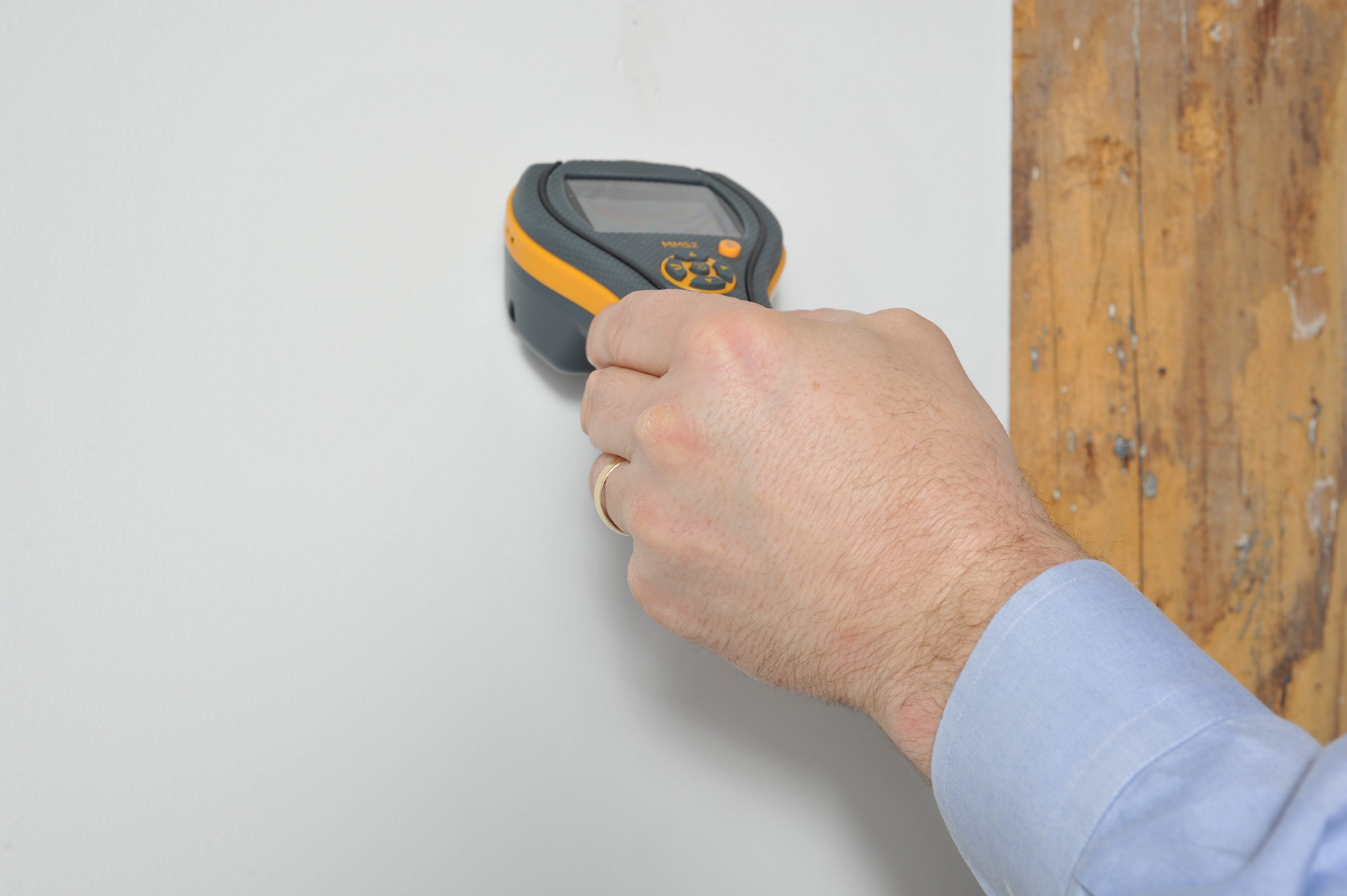
- Moisture detection in walls, ceilings, and flooring
- Inspection of attics, crawl spaces, and duct systems
- Identifying sources of water intrusion
- Air or surface sampling when necessary
Testing helps confirm the presence of mold and provides information needed to plan proper remediation.
Why Mold Problems Are Common in Margate
Margate and nearby communities such as Coconut Creek, North Lauderdale, and Pompano Beach experience environmental conditions that make mold growth more likely.
These include:
- High humidity levels throughout the year
- Frequent heavy rains and storms
- Warm indoor temperatures
- Air conditioning systems producing condensation
- Slower drying of building materials
Because moisture can linger in humid climates, mold can begin developing quickly if leaks or dampness are not addressed.
Common Causes of Mold Growth
Understanding what causes mold helps property owners recognize risks early.
Plumbing Leaks
Leaks under sinks, behind walls, or near appliances are among the most common causes of mold.
Roof Leaks
Storm damage or aging roofing materials can allow water to enter attics and ceilings.
AC Condensation
Clogged condensate lines or poor airflow may allow moisture to accumulate around air handlers or ducts.
Poor Ventilation
Bathrooms, kitchens, and laundry areas can trap humidity without proper airflow.
Flooding or Water Intrusion
Heavy rainfall or drainage problems may introduce water into living areas.
Early Signs Mold May Be Present
Mold often develops before it becomes visible. Property owners may notice:
- Musty or damp odors
- Water stains on ceilings or walls
- Peeling paint or bubbling drywall
- Warped flooring or baseboards
- Increased indoor humidity
These warning signs indicate that moisture may still be present and should be investigated.
Hidden Areas Where Mold Often Develops
Some of the most serious mold problems occur in places that are not easy to inspect.
Common hidden locations include:
- Inside wall cavities
- Beneath carpets or flooring
- Attic insulation and roof decking
- Around HVAC systems and ducts
- Behind cabinets or appliances
Because moisture can remain trapped in these areas, professional inspection is often necessary.
Why DIY Mold Checks Often Miss Problems
Many property owners rely on visual checks or home test kits, but these methods can overlook hidden moisture or mold growth.
DIY methods may fail because:
- Mold may be growing behind walls
- Moisture sources may not be visible
- Air quality cannot be evaluated accurately
- Surface testing alone may not show the full extent of contamination
Professional inspection provides a more complete and accurate evaluation.
Step-by-Step Mold Inspection and Testing Process
Understanding how the process works helps property owners know what to expect.
Step 1: Initial Assessment
Technicians review the property and discuss any concerns, including leaks, odors, or previous water damage.
Step 2: Visual Inspection
Areas prone to moisture—such as bathrooms, kitchens, attics, and HVAC systems—are examined for visible signs of mold or dampness.
Step 3: Moisture Detection
Moisture meters and thermal imaging equipment are used to locate hidden moisture behind walls or ceilings.
Step 4: Air and Surface Sampling
Air samples may be collected to measure mold spore levels. Surface samples may be taken if visible mold is present.
Step 5: Analysis and Recommendations
Results help determine whether remediation, repairs, or moisture control measures are necessary.
Companies such as Pompano Mold Inspection and Testing often assist property owners in Margate by identifying hidden moisture and recommending effective solutions.
What Happens If Mold Is Found
If mold is detected, remediation may be recommended depending on the severity of the contamination.
Remediation may include:
- Containing affected areas
- Removing contaminated materials
- Cleaning and disinfecting surfaces
- Drying and dehumidifying the structure
- Repairing water damage
Addressing both mold and the moisture source helps prevent recurrence.
Water Damage Repair and Restoration
Mold problems are often linked to water damage. Restoration may include:
- Replacing drywall or insulation
- Repairing flooring or baseboards
- Drying structural materials
- Sealing and repainting surfaces
Repairing damage promptly helps restore the home and prevent further deterioration.
HVAC Systems and Mold Risks
Air ducts and HVAC systems can contribute to mold problems if moisture accumulates inside the system. When the HVAC system runs, spores may circulate through the home.
Signs of duct-related issues include:
- Musty odors when the AC runs
- Condensation near vents
- Dust buildup around registers
Inspection and cleaning of duct systems may be recommended in some cases.
Preventing Mold in Margate Homes
Property owners can reduce the risk of mold growth by taking practical preventative steps:
- Repair plumbing leaks immediately
- Maintain roofs and gutters
- Clean AC drain lines regularly
- Use exhaust fans in bathrooms and kitchens
- Monitor indoor humidity levels
- Schedule periodic moisture inspections
Routine maintenance helps prevent small moisture problems from becoming serious.
Why Local Experience Matters
Mold inspection in South Florida requires understanding regional climate conditions and construction methods. Professionals familiar with Margate understand:
- How humidity affects drying times
- Common moisture intrusion points in Broward County homes
- Condensation behavior in attic duct systems
- Proper drying techniques for humid climates
This experience helps ensure inspections and solutions are effective.
A Practical Next Step for Property Owners
Mold problems often begin quietly, but early inspection and testing help prevent costly repairs and structural damage. Identifying hidden moisture and addressing it promptly protects both property value and indoor comfort.
Property owners in Margate often rely on experienced local providers such as Pompano Mold Inspection and Testing to perform detailed inspections, detect hidden mold, and recommend practical solutions. Taking action early helps keep homes safe, comfortable, and well-maintained year-round.