


Property Owner Guide to Mold Inspection in Deerfield Beach
For property owners in Deerfield Beach, mold inspection is a critical part of protecting both the structure and the people who live or work inside it. High humidity, frequent storms, coastal air, and constant air conditioning create ideal conditions for mold to develop quietly. In many cases, mold problems grow unnoticed until they begin causing visible damage or ongoing complaints.
A proactive approach to mold inspection helps property owners identify issues early, control moisture, and prevent small problems from turning into costly repairs. This guide explains why mold inspection matters, how it works, and how it helps Deerfield Beach properties stay protected.
Why Mold Inspection Is Especially Important in Deerfield Beach
Deerfield Beach experiences warm temperatures and elevated humidity for most of the year. Even without storms, moisture remains present in the air and inside buildings.
Seasonal rains and tropical weather increase the risk of water intrusion through roofs, windows, and exterior walls. Slab foundations common in the area can trap moisture beneath flooring after leaks or flooding.
Air conditioning systems run almost nonstop. When drain lines clog, ducts sweat, or airflow is unbalanced, condensation forms inside walls, ceilings, and HVAC components.
These conditions make regular mold inspections an essential part of property ownership in Deerfield Beach.
What Mold Inspection Really Involves
Mold inspection is a detailed evaluation of a property to identify conditions that support mold growth. It focuses on moisture, building materials, and areas where mold commonly develops.
The process includes visual assessment, moisture detection, and evaluation of high-risk areas. Inspections are designed to find problems early, not just confirm visible mold.
Testing may be recommended when mold is suspected but not visible, when odors persist, or when past water damage raises concerns.
The goal of inspection is clarity and prevention, not alarm.
Common Situations That Call for Mold Inspection
Property owners often request mold inspections after plumbing leaks, roof leaks, or flooding events. Even when surfaces appear dry, moisture may remain hidden.
Persistent musty odors are another common reason for inspection. These smells often indicate hidden mold or moisture problems.
Rental properties benefit from inspections during tenant turnover, especially if previous occupants reported humidity, odors, or leaks.
Inspections are also common during real estate transactions to assess property condition and identify hidden issues before closing.
Areas Commonly Checked During Mold Inspections
In Deerfield Beach properties, inspectors focus on areas with higher moisture exposure. Bathrooms, kitchens, and laundry areas are common inspection points.
Attics are frequently evaluated, especially after storms. Roof leaks and wind-driven rain can dampen insulation and roof decking without immediate indoor signs.
Wall cavities near plumbing lines and exterior walls are checked using moisture detection tools.
HVAC systems are also important inspection areas. Air handlers, drain pans, return plenums, and ductwork can all be affected by condensation-related moisture.
Under flooring is another frequent concern, particularly in slab-on-grade properties.
Why Visual Checks Alone Are Not Enough
Many mold problems cannot be seen. Walls and floors may look dry while moisture remains trapped inside materials.
Mold can grow behind drywall, under flooring, or inside insulation without any visible surface growth for long periods.
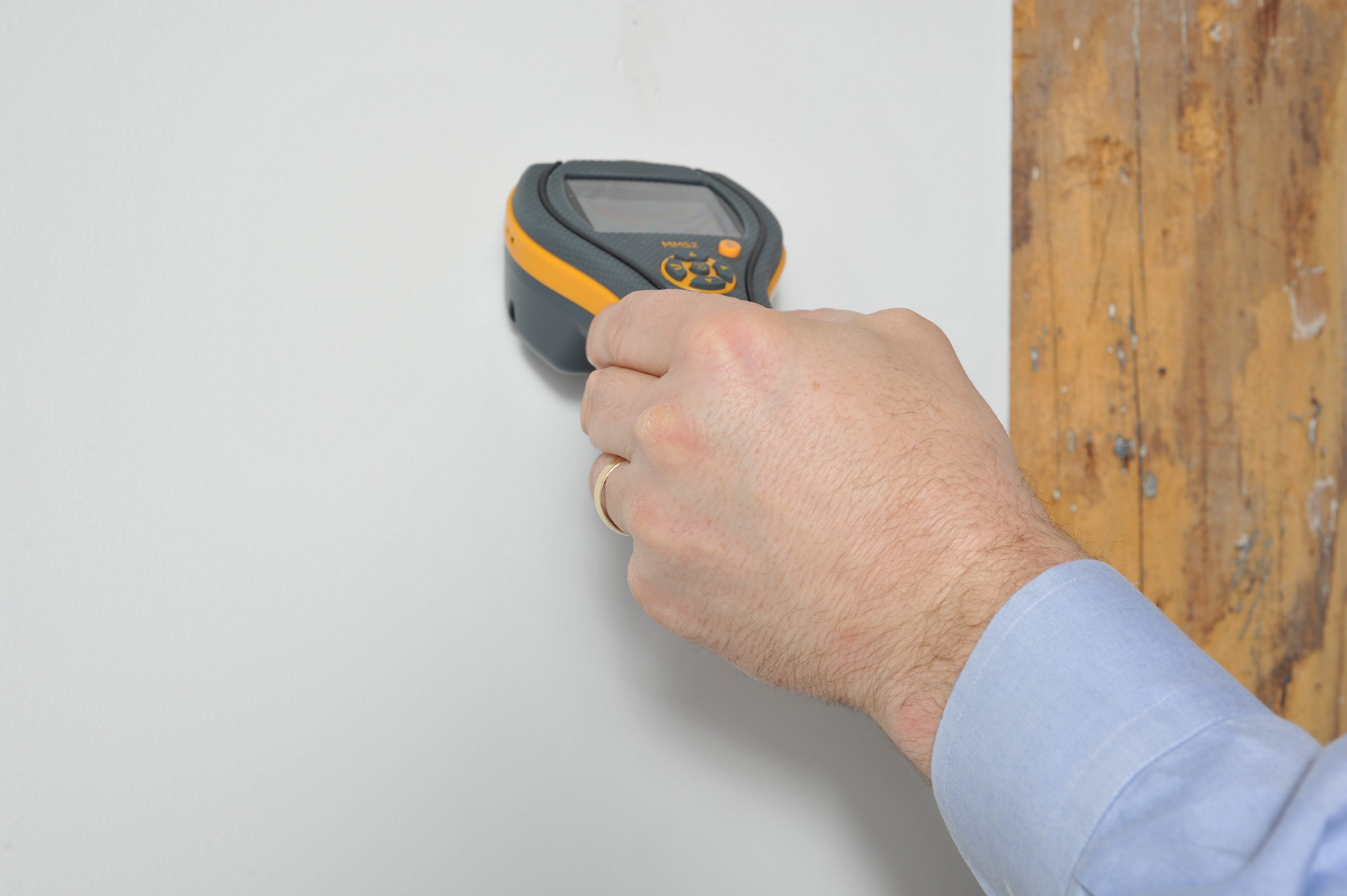
Professional inspections use moisture meters and other tools to confirm whether areas are truly dry or still affected.
This approach prevents guessing and reduces the risk of future damage.
How Moisture Detection Supports Mold Inspection
Moisture detection is one of the most important parts of mold inspection. Moisture is the primary driver of mold growth.
Moisture meters measure water content inside drywall, flooring, ceilings, and insulation. This helps identify areas at risk before mold becomes visible.
Thermal imaging may also be used to locate temperature differences caused by moisture evaporation.
By identifying moisture early, inspections help property owners address problems before mold spreads.
Mold Inspection in Rental Properties
Rental properties face higher moisture risk due to constant occupancy and heavy AC use. Small leaks may go unreported and worsen over time.
Tenant complaints about odors, humidity, or comfort issues often signal underlying moisture problems.
Regular mold inspections help property owners manage risk, reduce emergency repairs, and protect long-term property value.
Inspections during vacancy periods allow issues to be corrected before new tenants move in.
Mold Inspection After Storms or Water Damage
After storms or leaks, surfaces may dry while moisture remains hidden. Mold inspections after water damage help confirm whether drying was complete.
This step prevents sealing moisture inside walls or floors during repairs, which often leads to mold growth later.
Early inspection after water events is one of the most effective ways to prevent future mold problems.
Pompano Mold Inspection and Testing provides mold inspection services in Deerfield Beach and surrounding Broward County communities with a focus on moisture-driven prevention.
Mold Inspection and Prevention Go Hand in Hand
Inspection alone does not remove mold, but it provides the information needed to prevent it.
By identifying moisture sources and high-risk areas, inspections guide repairs and maintenance decisions that stop mold from returning.
Property owners who focus on prevention typically face fewer long-term mold-related expenses.
Practical Mold Prevention Tips for Property Owners
Address leaks immediately, even if they seem minor.
Maintain AC systems regularly to keep drain lines clear and airflow balanced.
Use exhaust fans in bathrooms, kitchens, and laundry areas to control humidity.
Avoid sealing or repainting areas until moisture levels are confirmed dry.
Schedule periodic inspections for older properties or buildings with a history of moisture issues.
Why Local Experience Matters in Deerfield Beach
Mold behavior varies by environment. Deerfield Beach properties face unique challenges related to coastal humidity, storm exposure, and construction styles.
Local professionals understand where moisture typically hides and how mold develops in South Florida conditions.
Pompano Mold Inspection and Testing brings this local understanding to Deerfield Beach, Pompano Beach, Lighthouse Point, Fort Lauderdale, and surrounding Broward County areas.
A Practical Approach for Property Owners
For property owners in Deerfield Beach, mold inspection is not a one-time task. It is part of responsible property management in a humid, storm-prone climate.
A proactive inspection strategy helps identify hidden moisture, prevent mold growth, and protect both the property and its occupants.
Taking an informed, preventive approach to mold inspection is one of the most effective ways to avoid future damage and maintain property value in Deerfield Beach.
