
Property Owner Guide to Mold Removal in North Lauderdale
Owning property in North Lauderdale means managing moisture as part of everyday maintenance. High humidity, heavy seasonal rain, and constant air conditioning create ideal conditions for mold to develop if moisture is not controlled properly. For property owners, mold removal is not just about fixing visible issues. It is about protecting the structure, maintaining rental value, and preventing repeat problems that lead to costly repairs.
Understanding how mold develops, how professional removal works, and how to prevent future growth helps property owners make informed decisions and avoid unnecessary disruption.
Why Mold Is a Common Issue in North Lauderdale Properties
North Lauderdale sits in a warm, humid South Florida climate where moisture is present most of the year. Even without flooding, humidity alone can introduce moisture into walls, ceilings, and ductwork.
Air conditioning systems run constantly, producing condensation that must drain correctly. Slab foundations limit airflow beneath homes, slowing drying when moisture enters. Frequent rain and saturated soil add additional pressure, especially during storm season.
These factors make mold one of the most common maintenance concerns for local property owners.
Common Causes of Mold in Residential Properties
Mold almost always traces back to moisture. AC-related issues are among the leading causes, including clogged drain lines, cracked drip pans, and sweating ductwork.
Plumbing leaks under sinks, behind walls, or near water heaters can slowly soak materials over time. Storm-related water intrusion through roofs, windows, or exterior walls is another frequent contributor.
In rental properties, delayed reporting of leaks or maintenance issues often allows moisture to linger long enough for mold to develop.
Areas Where Mold Is Most Often Found
Mold in North Lauderdale properties frequently appears in areas that are not checked regularly. Bathrooms with limited ventilation are common problem spots, especially behind tile or under vanities.
AC systems are another major source. Mold can develop inside air handlers, drain pans, and ductwork when condensation is not draining properly. Attics may hide mold caused by roof seepage combined with poor airflow.
Wall cavities and flooring installed over slab foundations can also trap moisture that leads to hidden mold growth.
Early Warning Signs Property Owners Should Not Ignore
Mold rarely appears without warning. Property owners often notice subtle signs first.
Musty or earthy odors, especially when the AC is running, are common indicators. Water stains on ceilings or walls, peeling paint, or bubbling drywall suggest moisture behind surfaces. Flooring may feel soft, warped, or uneven in localized areas.
Tenant complaints about odors, humidity, or discomfort should always be taken seriously, as they often point to hidden moisture.
Why Surface Cleaning Is Not a Real Solution
Wiping visible mold or repainting affected areas does not solve the problem. Mold grows into porous materials, and surface cleaning alone allows it to return.
Without identifying and correcting the moisture source, mold will continue to reappear. In property management situations, this leads to recurring complaints, repeated repairs, and higher long-term costs.
Professional mold removal focuses on both cleanup and moisture control.
How Professional Mold Inspection Guides Removal
Effective mold removal starts with inspection. Professionals assess visible growth and use moisture detection tools to locate damp materials behind walls, under floors, and inside HVAC systems.
Inspection helps determine how far mold has spread and whether moisture is still active. In some cases, testing helps confirm mold presence when growth is not visible.
This information ensures removal efforts are accurate and limited to affected areas.
The Mold Removal Process Explained
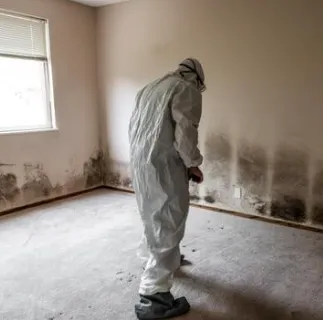
Professional mold removal prioritizes containment and thoroughness. Affected areas are isolated to prevent mold from spreading to other parts of the property.
Materials that cannot be cleaned safely are removed, while remaining surfaces are cleaned using proper mold remediation techniques. HEPA filtration is often used to manage airborne particles during the process.
Drying is a critical step. Materials must reach safe moisture levels before repairs or restoration begin.
Correcting the Moisture Source to Prevent Return
Removing mold without fixing moisture leads to repeat problems. In North Lauderdale properties, this often involves AC repairs, drain line maintenance, or duct insulation replacement.
Plumbing leaks must be fully repaired and surrounding materials dried properly. Exterior water intrusion may require sealing, roof repairs, or drainage improvements.
Solving the moisture issue is what makes mold removal effective long-term.
Mold Removal in Rental Properties
Rental properties require special attention. Tenants may not report leaks immediately, and usage patterns vary widely.
Regular inspections, clear maintenance reporting procedures, and proactive moisture detection help reduce mold risk. Addressing small issues quickly protects the property and reduces tenant disruption.
For landlords, mold removal is both a maintenance and asset-protection issue.
Preventing Mold in North Lauderdale Homes
Prevention starts with routine maintenance. Regular AC servicing helps prevent condensation problems. Drain lines, drip pans, and duct insulation should be checked periodically.
Ventilation in bathrooms, kitchens, and laundry areas should be adequate to remove moisture. Addressing water stains, odors, or unexplained humidity early prevents mold from becoming established.
In South Florida, proactive moisture detection is one of the most effective prevention tools.
Why Local Experience Matters
Mold behaves differently in South Florida than in other regions. Professionals familiar with North Lauderdale understand how humidity, construction styles, and HVAC layouts affect moisture movement.
Local experience allows for accurate diagnosis and practical solutions. Companies like Pompano Mold Inspection and Testing bring regional knowledge that helps property owners address mold issues effectively.
A Practical Guide for Property Owners
Mold removal does not have to be a recurring problem. With proper inspection, targeted removal, and moisture control, North Lauderdale properties can remain durable and well-maintained.
For property owners, understanding how mold develops and how professional removal works provides a clear path forward. In a climate where moisture is unavoidable, informed action is the key to protecting property value and long-term stability.
